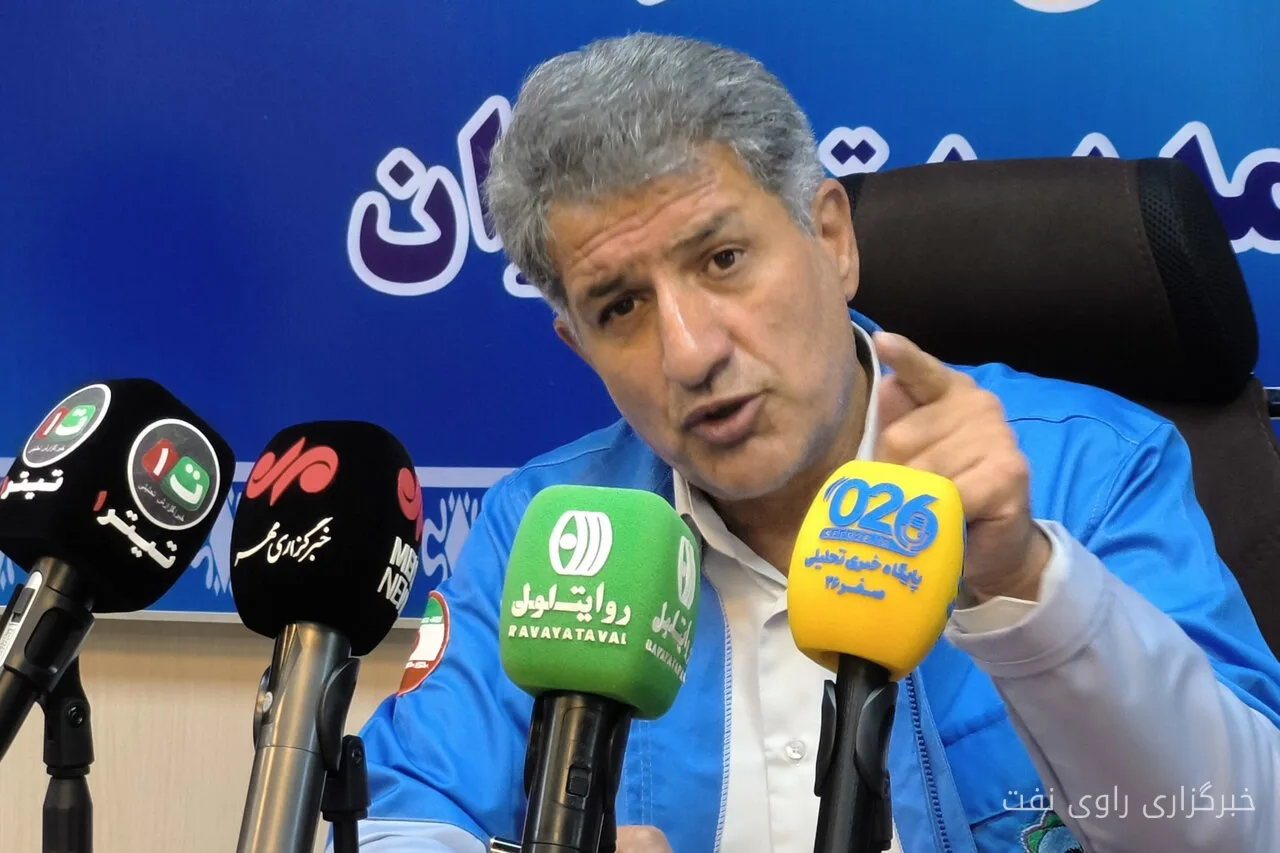
Mohammad Reza Fallahnejad, the Director General of Crisis Management of Alborz Governorate, emphasized the necessity of coordination among executive agencies, the media, and the public in a press conference with reporters, stating: "Crisis management is not limited to the time of an incident." He stressed the importance of prediction, prevention, preparedness, response, and recovery in this area and added that this process should be pursued continuously and in a coordinated manner.
Cultural Development in Crisis Management
Fallahnejad stated that holding press conferences, drills, and symbolic programs alone cannot solve the problems in this field, and it is necessary to prioritize fundamental, educational, and cultural actions. He also pointed out that Crisis Management Day is an opportunity to pay attention to the responsibilities of all responsible entities, including the Crisis Management General Directorate, municipalities, village councils, and specialized institutions.
Read more: Hidden Risks of Fuel in Emergency Equipment
Participation of All Agencies in Crisis Management
The Director General of Crisis Management of Alborz Governorate emphasized the role of the agencies that are members of the Crisis Management Headquarters, referring to the specific responsibilities of each of these agencies in managing risks. He said: "The Road Maintenance Organization, Emergency Services, Red Crescent Society, and Medical Sciences University each have specific tasks in this regard." He also mentioned the important role of volunteers and the private sector in crisis management, adding that this should be people-centered.
Fallahnejad, referring to the role of the media in increasing public awareness, emphasized that rumors can create confusion in crisis situations, and reputable media should help manage this situation by disseminating accurate and timely information. He also addressed the importance of public education in the field of natural resources and watershed management, stating that media awareness can help increase public understanding of preventive measures.
Challenges of Incoordination and the Necessity of Joint Planning
Fallahnejad, emphasizing the challenge of incoordination among agencies during incidents, stated that the responsibilities of each agency must be clearly defined, and the necessary facilities, equipment, and human resources should be utilized with prior coordination. He referred to the experiences of recent incidents in the Noor Mountains area of Karaj, saying: "Preventive measures must be pursued with joint planning of responsible agencies."
He also pointed out the necessity of identifying accident-prone areas and taking watershed management actions, emphasizing that these actions can prevent surprises during incidents. Fallahnejad further referred to ongoing programs for organizing field management of incidents, stating: "Determining the incident commander and field commander are issues that must be specified within the agencies."
Given the challenges in crisis management, Fallahnejad emphasized that identifying risks and planning to reduce hazards and increase preparedness should be prioritized. He also referred to the role of insurance in compensating for damages caused by incidents, stating that the widespread adoption of insurance can be effective in recovery after a crisis.
Read more: Mohammad Reza Shiri Reviewed the Pathways for Petrochemical Advances · Seyed Ismail Hosseini Explained the Reconstruction Process of Damaged Oil Facilities