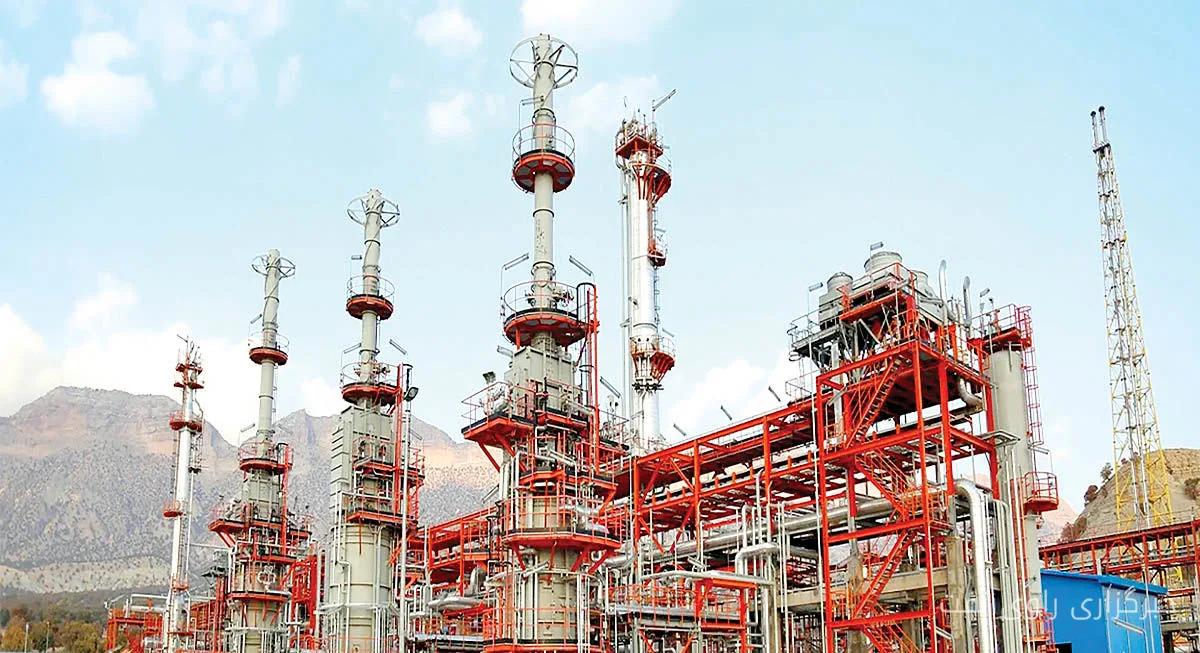
Mohammad Reza Shiri, the senior analyst of the gas and petrochemical industry, examined the current and future status of the petrochemical industry following the 40-day war and introduced three main paths ahead for this industry. According to Shiri, the continuation of transportation restrictions will have a direct impact on the time and cost of reconstructing and implementing new projects. The projects currently on companies' agendas are mostly pre-defined, and some of their equipment has already been imported into the country.
Three Paths Ahead for the Petrochemical Industry
Shiri, by distinguishing three paths of reconstructing damaged units, reforming and re-amping existing units, and continuing developmental plans that were defined before the war, referred to the actual capacity of the petrochemical industry in navigating the post-war period. He emphasized that these paths are particularly important under current conditions and require a precise assessment of the extent of damage and the technical needs of the affected units.
Read more: Latin America Can Double Its Onshore Wind Capacity by 2035
The Impact of Trade Restrictions on Reconstruction
Shiri pointed out the dependency of petrochemical equipment on imports, stating that a significant portion of the equipment needed for this industry is produced domestically, and therefore, the reconstruction of damaged units is not entirely dependent on imports. He added that for equipment that cannot be sourced domestically, the process of procurement from abroad must take place, and this depends on transportation conditions and access to international routes.
He referred to the distinction between reconstruction projects and developmental plans, stating that some of the petrochemical development plans are not new projects defined after the war. Orders for equipment for some of these projects were placed in advance, and a significant portion of the equipment has also been imported into the country. In this regard, the continuation of these plans should not be considered the same as defining new development projects under current conditions.
Attention to Security Risks
Shiri further examined security risks and their impact on investment decisions. He believes that under current conditions, investment should be prioritized in such a way that the damaged capacities are restored first, and then new capacities are created. These two decisions have fundamental economic differences and require more precise analysis.
Shiri also pointed out that security realities can harm production facilities and transportation routes, and for this reason, the calculations for development projects change. In other words, merely having feedstock or energy advantages is not sufficient to justify a new investment, and investors must ensure the feasibility of sourcing and transporting equipment.
Ultimately, Shiri emphasized the importance of moving beyond a capacity-centric view, stating that new projects should be selected more carefully to simultaneously increase capacity and build resilience against disruptions.



