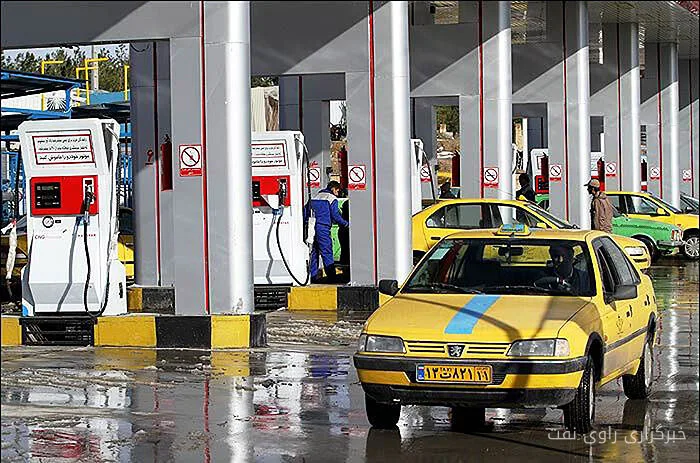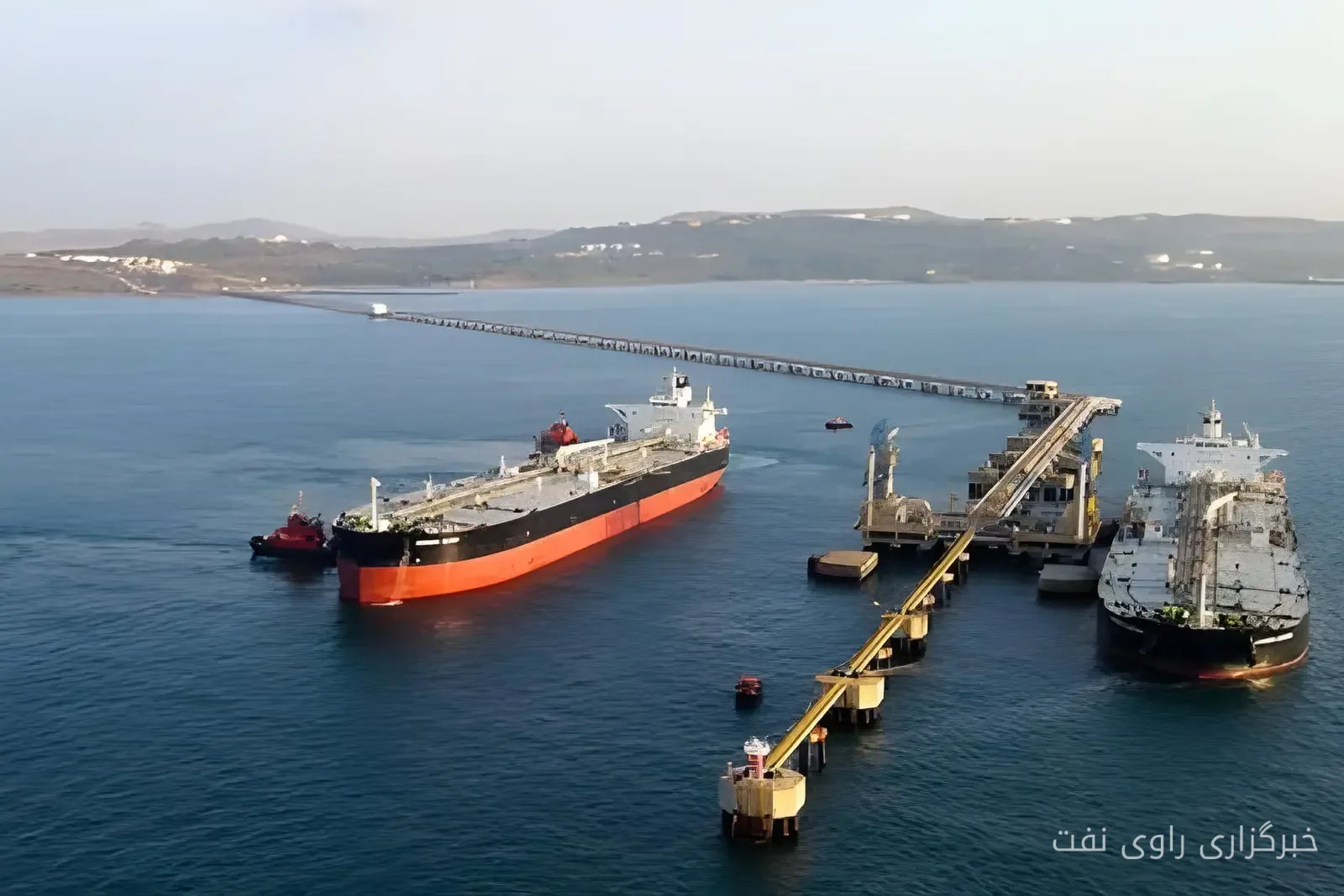
Russia and Iran supply energy to Europe by combining sanctioned oil and registering it under Kazakhstan, settling the costs of military equipment for Moscow. This covert route not only helps circumvent sanctions but also raises serious concerns about the credibility of Western policies.
Current Status of Oil Exports
Despite approaching deadlines for ending all imports of Russian oil and gas, the European Union continues to play a game of circumventing sanctions with Moscow. According to EU Regulation No. 261/2026, from January 1, 2027, long-term imports of Russian liquefied natural gas (LNG) will be completely banned, and the gradual exit of pipeline gas will occur by the end of 2027.
Read more: Ilam Gas Refinery Has Four Key Strategies for Sustainable Production in Winter
While the European Union has officially banned maritime imports of Russian crude oil, the flow of crude oil known as "Caspian Blend," which ends at the port of Novorossiysk in Russia, has received a special legal exemption since June 3, 2022. This exception is due to the underlying volumes originating from Kazakhstan.
Increase in Kazakhstan's Oil Export Capacity
The annual operational capacity of this so-called purely Kazakh crude oil has reached a record unprecedented 72 million metric tons (equivalent to 1.04 million barrels per day), an increase of 38.5 percent. However, actual domestic oil production in Kazakhstan this year has grown by less than 2 percent due to stringent OPEC+ quota restrictions and has significantly decreased.
According to a senior source in the EU's energy security apparatus, the discrepancy between the increase in crude oil volumes in the "Caspian Pipeline Consortium" and Kazakhstan's oil production indicates the presence of active "ghost volumes." These volumes relate to Russian and Iranian crude oil that is transferred to Russia at heavy discounts and is gradually moved to European destinations.
The companies "Khatam al-Anbiya" and "National Iranian Oil Company" have rooted themselves in this trade. In this context, Iranian crude oil is transferred to Russia at a discount of 35 to 42 percent and is then quickly transported to Russia through a growing fleet of non-aligned tankers. This oil is injected into the "Caspian Pipeline Consortium" network under fake Kazakh certificates.
Planning for Covert Route Changes
As the legal deadline of December 31, 2027, approaches, Russia and Iran are planning a covert route change to introduce the "Baku-Tbilisi-Ceyhan" pipeline into this Russian-Iranian-Kazakh blend. The Kazakh government has announced its intention to increase its crude oil supply through this pipeline to 7 million metric tons per year.
According to "Kaztransoil" data, Kazakhstan exported about 1.2 million metric tons from this pipeline in 2025 and approximately 700,000 metric tons in the first half of this year. Additionally, an EU source stated that the plan focused on the northern corridor, which connects Iran and Russia via the Caspian Sea, aims to pump between 600,000 to 750,000 barrels of oil daily through the "Baku-Tbilisi-Ceyhan" pipeline by March-April 2027.
This volume is equivalent to nearly half of Kazakhstan's total national production quota under OPEC+, which is currently locked at 1.628 million barrels per day. Ultimately, the upcoming change in the pipeline in February 2027 poses a serious challenge to the prospect of official Western sanctions.
Read more: Mohammad Reza Shiri Reviewed the Pathways Ahead for Petrochemicals · OPEC Reduced Its Forecast for Global Oil Demand Growth in 2026 to 400,000 Barrels per Day