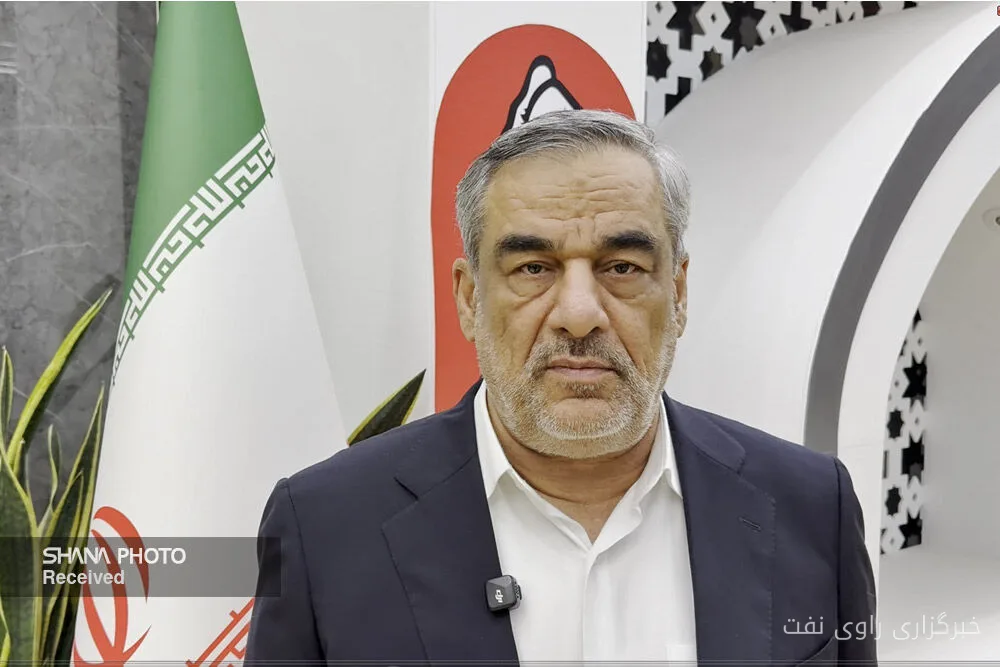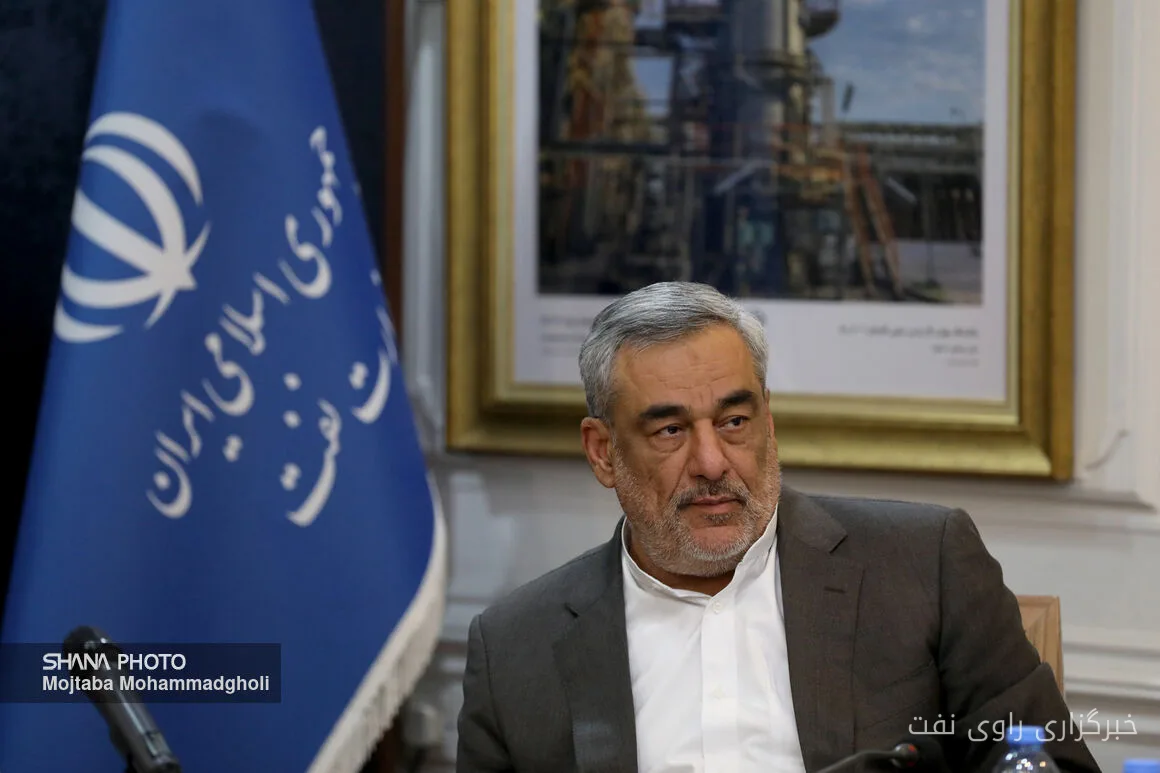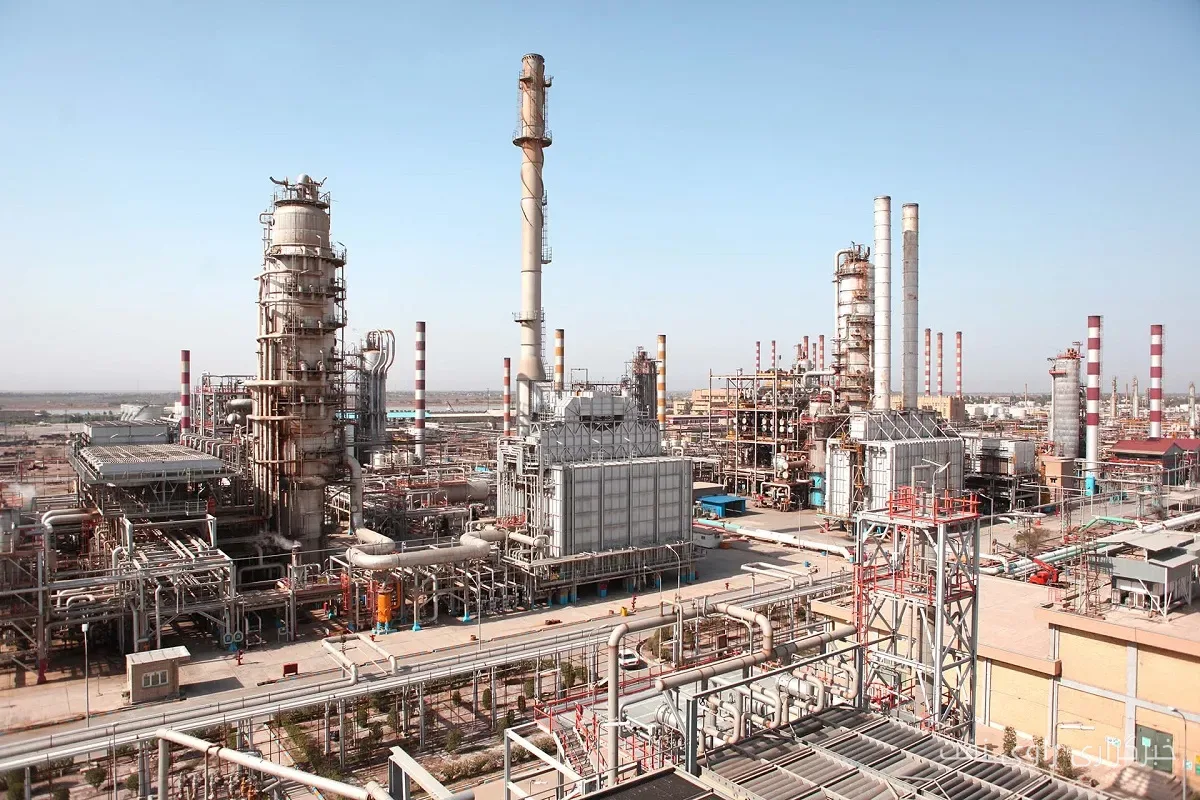
Omid Shakri, the CEO of the National Petrochemical Company, today (Tuesday, October 6) during the signing ceremony of the memorandums of understanding for the implementation of the "Energy Pulse" campaign, stated to reporters regarding the damages inflicted on the petrochemical industry during the war: The damages to the petrochemical industry are divided into two sections: utilities and some specific processes, for which appropriate actions for reconstruction are being taken in both sections, and the reconstruction of utilities is being continuously pursued.
The Reconstruction Process in Two Main Petrochemical Hubs
Shakri added: In Assaluyeh and Mahshahr, which are the two main hubs of the country's petrochemical industry, the reconstruction and recovery of capacities are being executed in a desirable manner, and we are striving to restore a significant portion of the lost capacities back to the production cycle by the end of this year.
Read more: Seyed Mohammad Molavi Removed the Abadan Oil Refinery from the List of Transfers
The CEO of the National Petrochemical Company emphasized: So far, about 60% of the lost capacities of the petrochemical industry have been recovered and returned to the production cycle, and we hope that by the end of the year, the situation will improve further in this regard.
Winter Challenges and Energy Limitations
Shakri pointed out the feedstock limitations in winter, saying: We will likely face gas limitations due to imbalance in winter; an issue that has existed every year and this year, given the enemy's damage to the refining industry, the situation has become more difficult. Nevertheless, in terms of the amount of capacity recovery and readiness for production, the petrochemical industry is in a suitable condition, and we are working to achieve a better situation in this sector by the end of the year.
He also referred to the implementation of energy limitations in the winter season and said: Every year in winter, with the increase in gas consumption in the residential sector, unintended limitations were imposed on some industries, and the petrochemical industry is not exempt from these limitations. Shakri added: This year, the situation is more difficult; about 230 million cubic meters of the refining capacity of the gas industry has been lost, which with the efforts of colleagues in the Ministry of Oil, National Gas Company, and National Iranian Oil Company, some of these capacities have returned to the production cycle, but shortages still exist.
The CEO of the National Petrochemical Company said: We are trying to minimize the effects of the war and the created capacity reductions for petrochemical complexes, but the reality is that this year the situation will be harder for the petrochemical industry.
Shakri concluded regarding the export situation: The petrochemical industry is essentially a seller of products, and this industry exports its products, returns the foreign currency obtained, and the entire export process and currency return is conducted under the supervision of the Central Bank, and there is no problem in this regard. He stated that, of course, the conditions of war and siege have naturally created problems for exports, but with the measures taken, efforts are being made to keep the exports of this industry sustainable and ensure the return of currency to meet the main needs of the currency-consuming sectors in the country.
Read more: Iran Emphasizes Its Demands for the Reopening of the Strait of Hormuz · Stabilization of Gas Supply to the European Union Despite Decreased Reserves