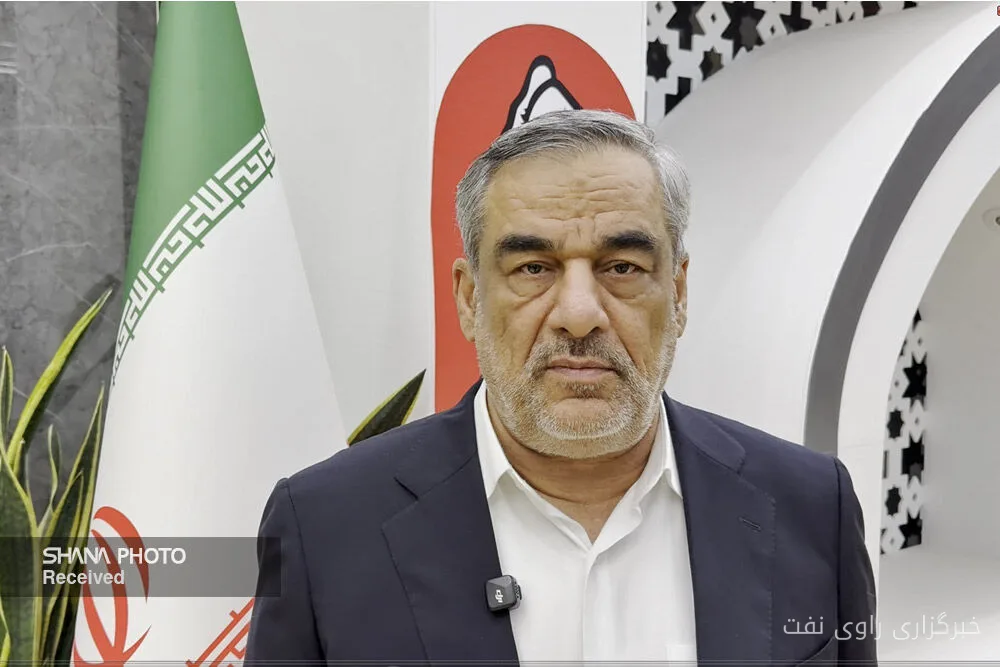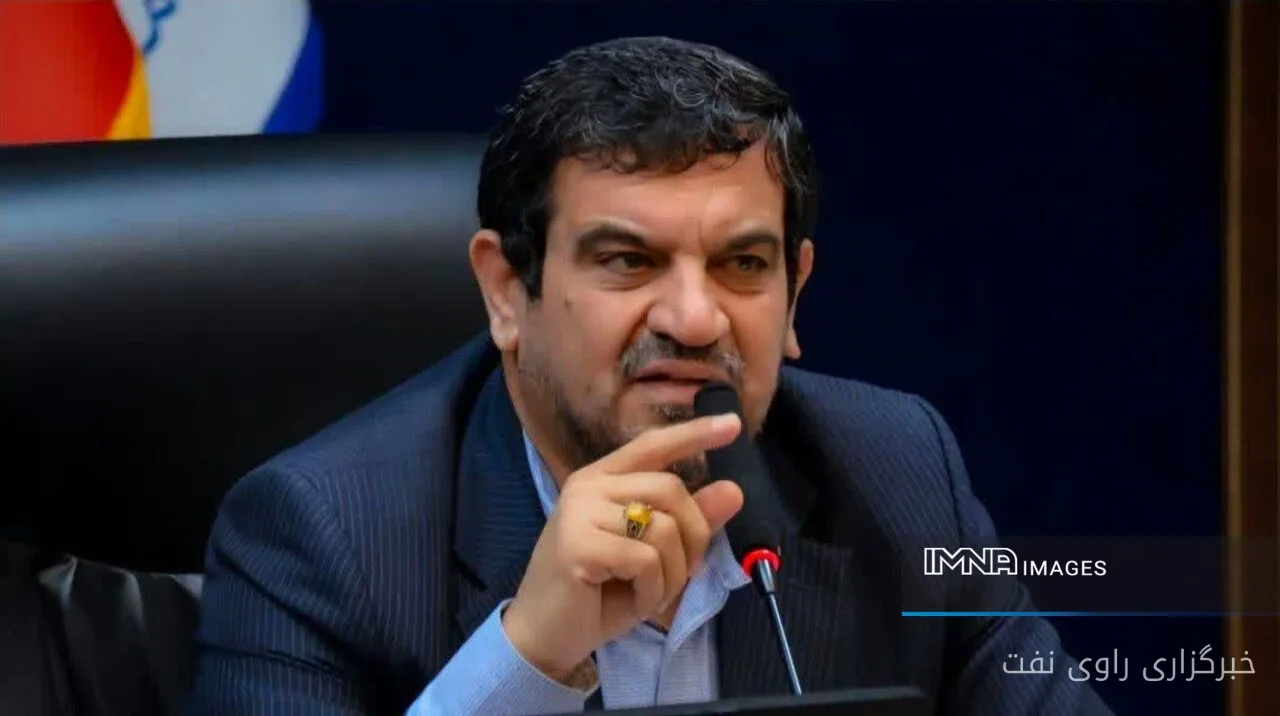
Seyyed Mohammad Molavi, in an interview with IMNA reporter in Khuzestan, referring to the process of privatizing state and quasi-state companies, stated: The existence of loss-making companies in the country's economic structure does not justify hasty privatizations without expert review, and decision-making in this regard should consider national interests and the rights of the people.
Status of State and Loss-Making Companies
He added: According to the statistics of 2023, there are about 2,890 state and quasi-state companies in the country, which include 376 state companies, 1,992 subsidiary companies of non-governmental institutions under government control, and 522 subsidiary companies of public non-governmental institutions. Additionally, about 134 state companies have been loss-making, and their total losses have reached approximately 354 trillion tomans.
Read more: Hamid Bord Maintained Iran's Oil Production Capacity Despite Unequal War
Molavi emphasized: This data should provide the basis for structural reform, increased productivity, and resolution of management issues in companies, rather than being an excuse for privatizing the country's assets without thorough evaluation and buyer qualification assessment.
Necessity of Preserving Abadan Oil Refinery
The representative of the people of Abadan in the Islamic Consultative Assembly emphasized the necessity of removing the Abadan Oil Refinery from the list of privatizations, stating: This complex, due to its strategic position in the oil industry, the country's energy security, and the specific geographical and social conditions of Abadan, cannot be compared to many privatizable economic enterprises. Molavi cited one of the main reasons for opposing the privatization of the Abadan Refinery as its role in supplying petroleum products, stating: The Abadan Refinery is one of the strategic complexes of the country's oil industry and plays a role in the production of gasoline, diesel, and aviation fuel, as well as helping to meet the country's needs.
He also referred to the geographical location of the refinery, stating: The placement of this complex in the sensitive border region of Abadan has created special security and passive defense considerations that must be fully addressed before any decision regarding privatization.
Molavi pointed out the ongoing projects at the Abadan Refinery and raised the need to accurately determine the value of assets and capacities of the complex before any privatization. He emphasized that resolving the status of lands, properties, and real estate, reviewing legal claims, and other obligations of the company should also be done before any decision on privatization.
He considered the status of the refinery's workforce as another important consideration, stating: More than 9,000 people are employed in various forms within this complex, and determining the employment status and obligations related to these workers must be clarified before any decisions regarding privatization.
Molavi also mentioned the obsolescence of some equipment and the social responsibilities of the refinery, stating: Some of the old units require fundamental reconstruction, and the refinery provides services in cultural, sports, welfare, and medical areas that are linked to the lives and welfare of the people of Abadan.
In conclusion, he emphasized that any privatization should be conducted after a comprehensive evaluation, special auditing, precise asset valuation, and verification of the financial and managerial qualifications of buyers. Molavi called for the complete removal of the Abadan Oil Refinery from the list of privatizations, stating: After completing the developmental projects, the issue of privatization can be reconsidered based on a comprehensive and expert report.
Read more: 16% Increase in CNG Consumption in Chaharmahal and Bakhtiari · Golestan Petrochemical Again in the Spotlight