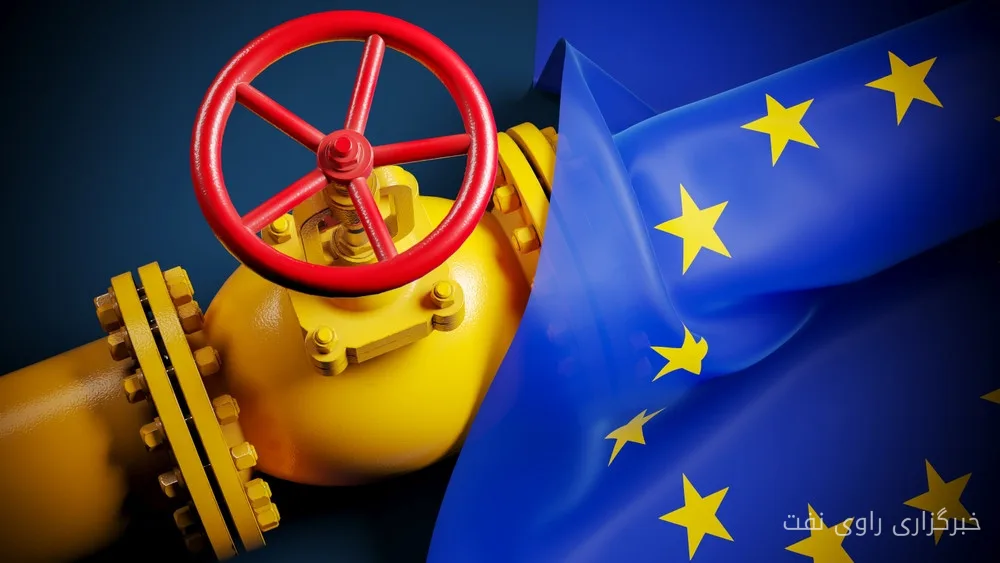
Gas supply in the European Union has been reported stable despite decreasing reserves. The Gas Coordination Group, which advises the European Commission on coordinating gas supply security measures, held a meeting this week to review the gas market situation. The European Commission has stated that gas supply in the European Union remains stable despite the decrease in reserves compared to historical levels.
Current Status of Gas Reserves
According to published data, gas reserves in the European Union were only 70% full as of September 24, which is significantly lower than the five-year average and last year's level. Some large countries, including Germany, have stored less gas this season compared to the average. Germany's gas reserves, the fourth largest in the world, are currently only about 57% full, raising concerns about supply security for the upcoming winter.
Challenges of Gas Supply in Europe
Gas supply in Europe has come under scrutiny following the rise in gas prices in Asia and Europe in March, due to the closure of the Strait of Hormuz. While oil shipments pass through this strait at millions of barrels per day, LNG shipments have faced challenges in passing through this chokepoint. These issues have led to gas prices in Asia and Europe reaching their highest levels since the 2022-2023 energy crisis. Competition among buyers for gas supply has had a direct impact on prices and has resulted in a decrease in gas reserves in the European Union.
The European Commission has stated that it will continuously monitor the gas supply situation and will continue to assess conditions in close cooperation with member states and stakeholders. Given the forecasts for a colder winter than in previous years, gas supply during this period could become a significant challenge.



