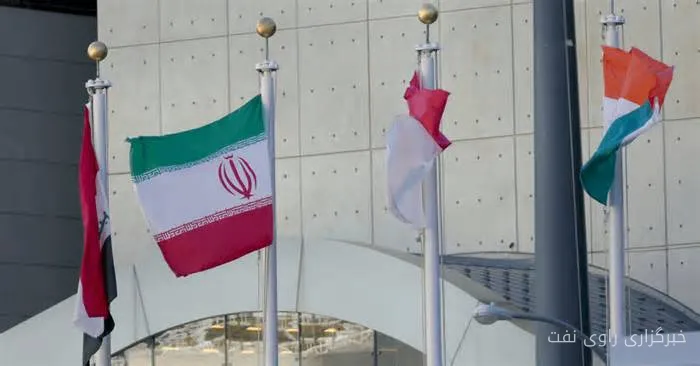
Iran, emphasizing the importance of the Strait of Hormuz as one of the key routes for global oil transportation, has reiterated its demands for the reopening of this strait. The Strait of Hormuz, with a daily transit capacity of 21 million barrels of oil, plays a vital role in international energy trade. This strait is recognized as the main route for crude oil transportation from the Persian Gulf to global markets, and any changes in its status could have significant impacts on global oil prices.
Iran's Seven-Day Proposal
In its proposal, Iran has emphasized a seven-day period for the reopening of the Strait of Hormuz and stated that it is not willing to soften its conditions. This decision comes at a time when tensions in the region have increased, especially following economic and military sanctions. Iranian officials believe that reopening the Strait of Hormuz could help stabilize the oil market and reduce prices.
Read more: Jalil Basiri Parsa Allocated 400 Billion Rials for Securing Gas Transmission Lines in Region 7
Trump's Mixed Signals
U.S. President Donald Trump has sent mixed signals regarding this issue. Some analysts believe that Trump may be seeking to reach an agreement that would reduce tensions between Iran and the United States. This is particularly significant as oil prices fluctuate due to political and economic changes in the region.
The reopening of the Strait of Hormuz not only affects the oil market but can also be viewed as an indicator of international relations in the Persian Gulf region. As Iran seeks to maintain its position in the global oil market, any changes in the status of the Strait of Hormuz could impact the country's economic and political strategies.
Read more: Omid Shakri Emphasized Economic Jihad in the Oil Industry · Increase in Crude Oil Loading at Ras Tanura Port After Disruption in East-West Pipeline



