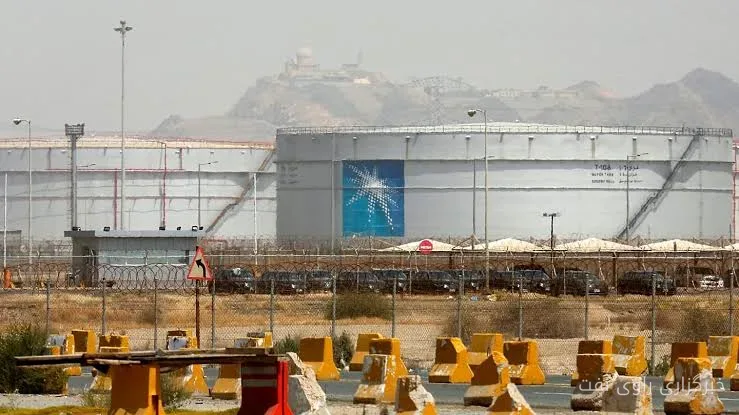
Saudi Arabia, by increasing its oil production to 7 million barrels per day, has played a pivotal role in reviving OPEC oil supply. This production increase has been achieved particularly due to the revival of some export routes from the Strait of Hormuz and the use of terminals on the Red Sea coast.
OPEC Production Increases to 22.8 Million Barrels per Day
OPEC's total production has reached 22.8 million barrels per day, indicating a recovery in the production and export capacity of Gulf countries. However, achieving 88% of pre-war levels means that there is still about a 12% gap to return to normal conditions.
Read more: Brent crude oil price in the global market today has been determined
The CEO of Saudi Aramco, Amin Nasser, announced at a conference in Abu Dhabi that the company intends to increase production as much as possible in the fourth quarter of 2023. This action is particularly significant given that the price of Brent oil has dropped to around $98 per barrel.
Saudi Arabia's Role in Rebuilding Global Supply
The increase in Saudi production by 970,000 barrels is more than the net increase of 930,000 barrels for all of OPEC. This clearly demonstrates Saudi Arabia's decisive role in rebuilding global supply. Additionally, the use of two export routes, namely the Strait of Hormuz and the terminals on the Red Sea coast, has increased Saudi Arabia's logistical flexibility and helped secure supply.
However, Bloomberg reports that since late August, no oil tankers have been observed in satellite images related to Iran's main oil export terminals, including Khark Island. This situation is linked to the maritime blockade of Iranian ports by the U.S. and has directly impacted oil supply.
Overall, the increase in production and supply while global consumption remains under pressure has two significant effects: one in the physical market and the other in the futures market. The drop in Brent oil prices to around $98 is a sign of market expectation adjustment, but it alone cannot confirm the lifting of supply constraints.
Challenges to Full Return to Normal Conditions
The difference between production and available supply in the international market is one of the main challenges. Even if producers return to their previous capacity, shipping, insurance, and maritime transport costs can hinder a full return of supply. Reports indicate that oil and product exports from the Gulf have decreased in October compared to the record levels in September, indicating a mismatch between the increase in production and supply to the global market.
Political developments in the United States and the possibility of reduced tensions with Iran may also influence traders' expectations. However, it should be noted that achieving one of the conditions for reducing political tensions, such as lifting maritime restrictions or a sustainable return of export flows, does not necessarily mean that the other two conditions will be met.
The OPEC+ meeting on November 29, 2026, could play an important role in determining production targets for 2027. This assessment of the technical production capacity of members is particularly important, as nominal capacity, operational capacity, and sustainable production levels are not necessarily the same.
Read more: Increase in Brent crude oil and West Texas prices in Friday's trading · Afazli explained the uncertainty of Iran's oil exports