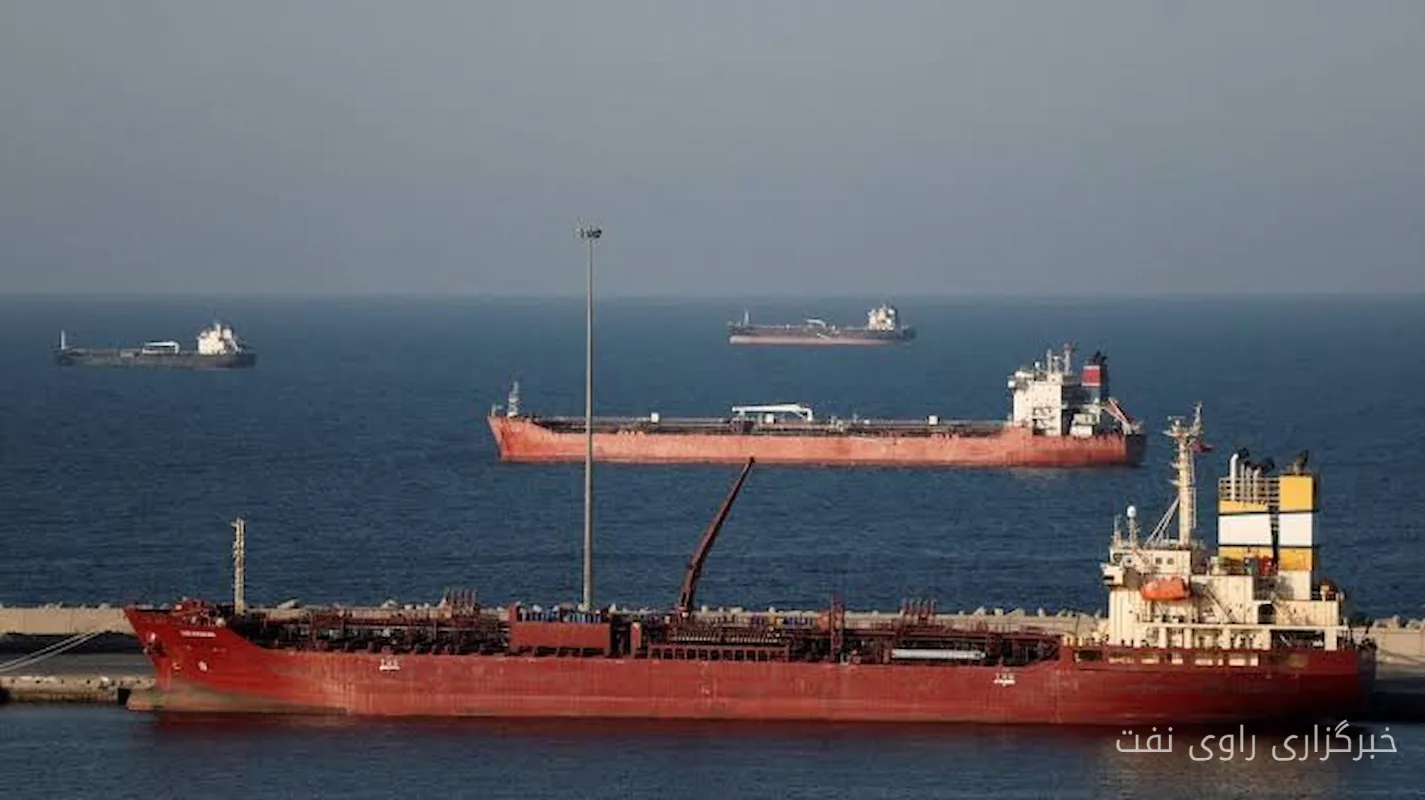
Erfan Afazali, Secretary General of the Oil Industry Federation of Iran, in response to the intensified export restrictions on oil, reported on the current critical situation in the oil industry. He stated that the country is currently facing serious challenges regarding crude oil and petroleum product exports, which could lead to production accumulation and filling of storage tank capacities.
Challenges of Production Accumulation and Well Shutdowns
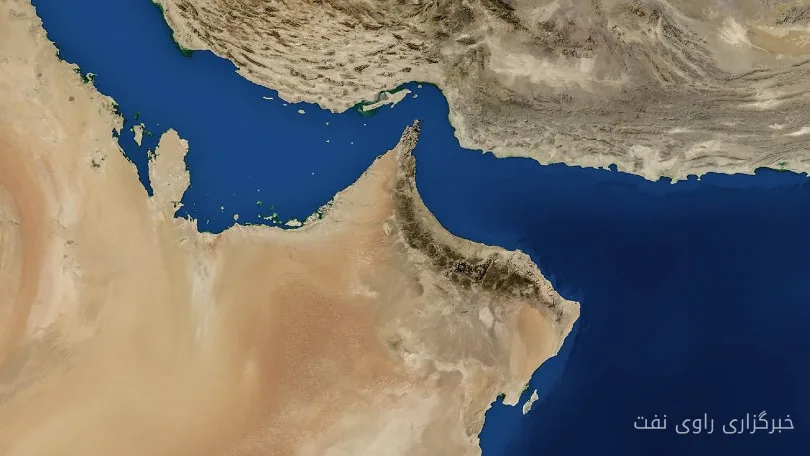
Afazali emphasized: "We are surrounded by the sea and have no possibility of exports. Therefore, when we cannot export the product, the storage capacity becomes filled and limited over time." He added that if this situation continues, there is a possibility of reducing or stopping production in some oil wells, which would entail high technical and operational costs to bring them back into production.
Read more: Total Energy has moved its oil demand forecast to 2035-2040
Impacts on Reservoirs and Production
The Secretary General of the Oil Industry Federation discussed the technical consequences of halting exports and oil accumulation, stating: "When there are no oil exports, we face a production deadlock. In this case, we either have to reduce production or completely stop it." Afazali also referred to the formation of deposits around the perforated areas of reservoirs at depths of 2 to 3 thousand meters, noting that these deposits require costly processes such as acid washing and stimulation operations to bring the wells back into production.
Afazali further mentioned the status of storage tanks, saying: "Surface tanks for storing refinery products like gasoline, diesel, and fuel oil have limited capacity, and if production decreases, pressure in the tanks will increase."
Concerns About Fuel Supply
He also pointed to the increase in gasoline consumption and the imbalance between production and domestic demand, stating that these issues have raised concerns about the refineries' ability to compensate for fuel shortages and the resilience of the distribution network in critical conditions. Afazali noted that currently, refineries are operating at maximum capacity, and given the extensive network of pipelines, he does not believe that fuel supply security is at serious risk.
However, he urged the public to control their consumption and emphasized that pricing plans have somewhat regulated consumption. Ultimately, Afazali stated: "As long as we reach a balance in production and preserve this national asset, the imbalance will continue."
Read more: Aker BP has awarded the development contract of the Lyra field to Subsea 7 · Strategic Shift of Khark Petrochemical in Synthetic Ethanol Production