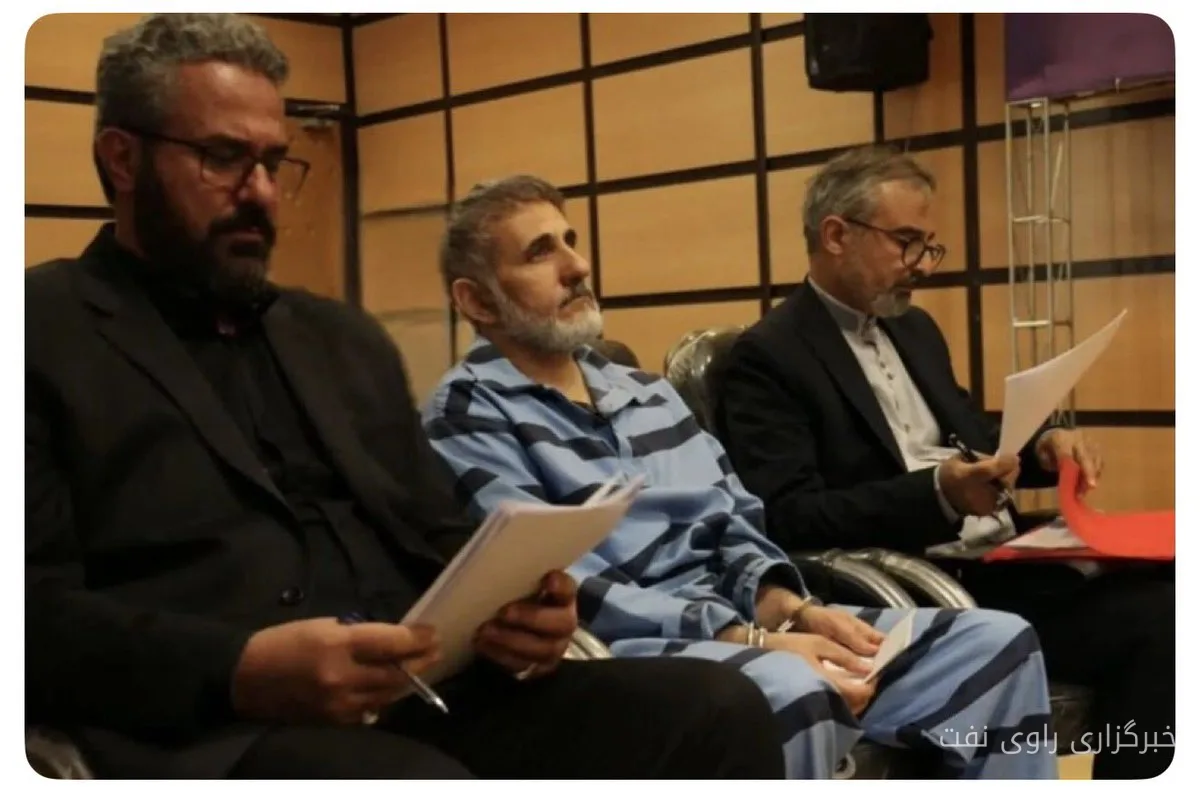
The judiciary of the Islamic Republic of Iran, in line with addressing security cases, sentenced Sadegh to 12 years, 6 months, and 1 day in prison for media and propaganda activities against national security, benefiting opposition groups. This conviction also includes the confiscation of all movable and immovable property of Sadegh in favor of the government.
Details of the Ruling and Its Impacts
The ruling issued by the judiciary demonstrates this institution's serious determination to confront media activities that seem to threaten national security. Given the current circumstances, this ruling could have profound consequences for other media activists who may face similar charges in the future.
In various political systems, media activities are recognized as one of the essential pillars of democracy. However, in countries where national security is prioritized, such activities may face severe restrictions. In this context, the judiciary aims to show its seriousness in addressing potential threats by issuing this ruling.
Following this ruling, various reactions have emerged from media and human rights activists. Some believe that this action could create a climate of fear among journalists and media activists and generally affect the space for freedom of expression.
Social and Political Consequences
This conviction not only affects the convicted individual but can also act as a signal to other journalists. In fact, this ruling may lead to a form of self-censorship among journalists and media outlets seeking to maintain their security. In such conditions, some journalists may refrain from addressing sensitive and critical topics to avoid facing legal consequences.
Overall, this ruling and its consequences could impact how news and analyses are covered in the media. Currently, it is expected that this issue will emerge as one of the main challenges for the Iranian media community in the coming years and raise many questions about freedom of expression and human rights in the country.
Ultimately, this approach by the judiciary regarding media activities reflects ongoing efforts to control and supervise the media landscape of the country. These actions may be viewed as a strategy to maintain political and social stability, but they could also lead to serious criticisms from international bodies.