The export of natural gas is a key factor in the energy system of the United States, directly impacting prices and supply in the market. With the onset of fall and the arrival of autumn weather in the lower 48 states, it is expected that the natural gas reserve deficit of this country will decrease. Last week, temperatures in these areas reached a level that brought back autumn weather conditions.
Current Status of Natural Gas Reserves
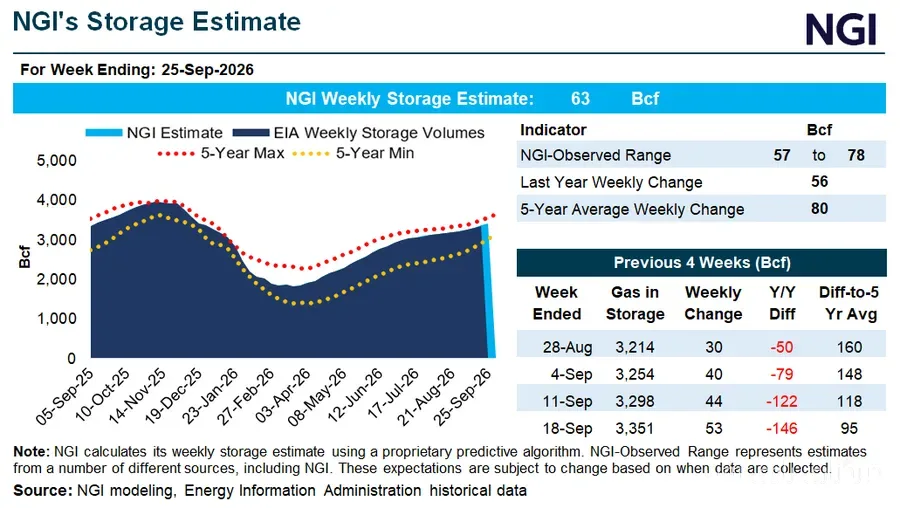
Reports indicate that the natural gas reserves in the United States have currently reached 3.5 trillion cubic feet, which is about a 7 percent decrease compared to last year. This amount indicates the need for higher storage levels in the winter season. Currently, natural gas reserves in the United States are 1.5 trillion cubic feet below the average level of the past five years.
Read more: Mohammad Reza Aref Emphasizes Energy Conservation in Winter
Impacts of Weather Changes on the Gas Market
With the arrival of autumn weather, it is expected that the consumption of natural gas will increase. This increase in consumption could help improve the reserve situation. Additionally, considering the current status of reserves and weather forecasts, prices in the market may face fluctuations. Based on conducted analyses, the price of natural gas may reach $3.2 per million BTUs.
In this regard, analysts predict that with improved weather conditions and increased reserves, the natural gas market in the United States will reach a more stable state. Moreover, this situation could impact natural gas exports and provide other countries with an opportunity to meet their energy needs.
Read more: CEO of the National Iranian Gas Company Signed 109 Energy Contracts · Natural Gas Prices in the U.S. Fall Despite Unprecedented Summer Heat



