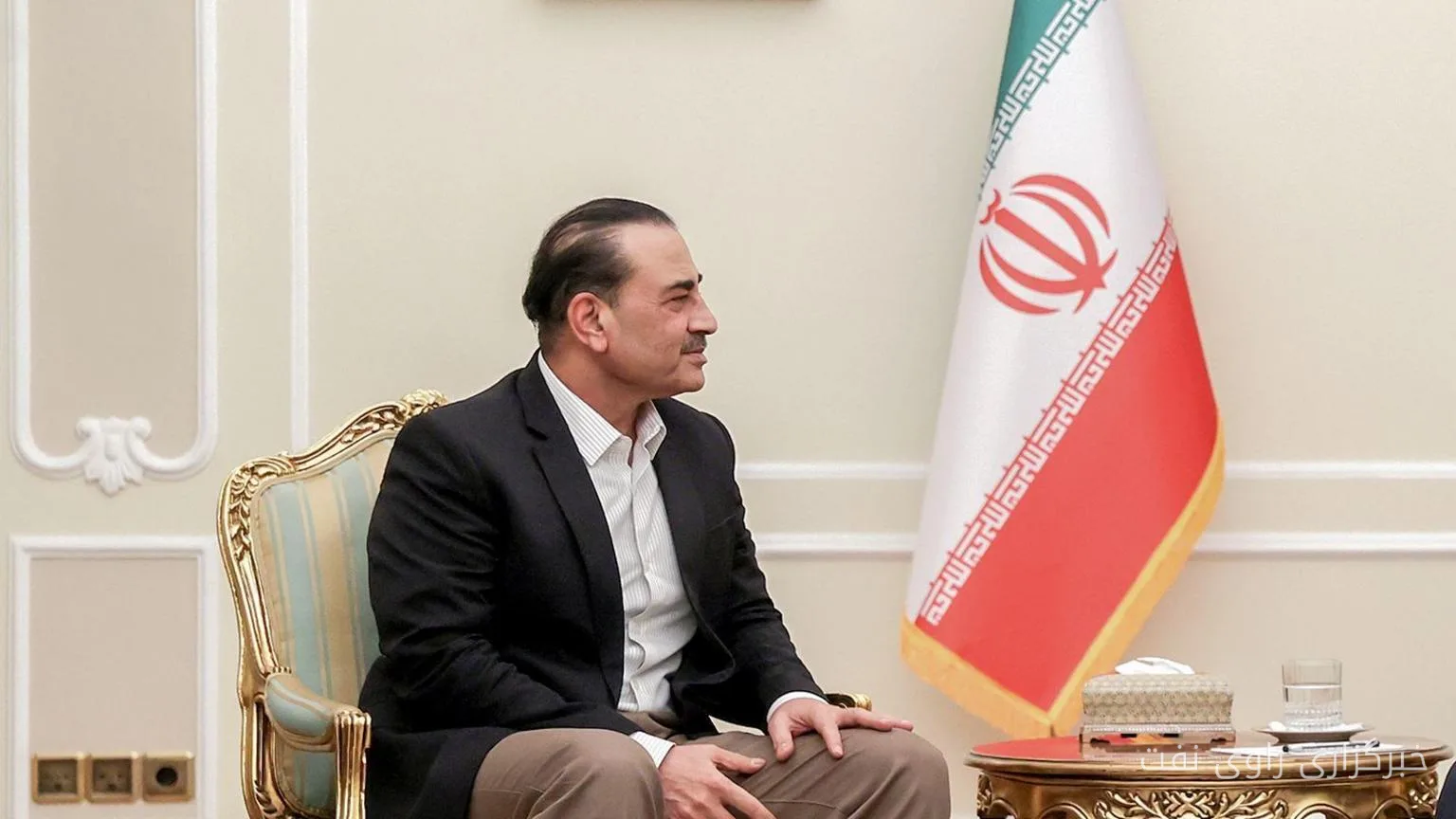
Radev, the Prime Minister of Bulgaria, responded to widespread European criticism of the diesel agreement between Trump and Putin at the recent NATO summit in Brussels, emphasizing the need to lower fuel prices. He stated at the summit: "Our current problem in Europe is the high fuel prices."
Bulgaria's Position on the Diesel Agreement
At the summit, European leaders discussed strategies to control rising energy prices and design a budget to maintain the competitiveness of the Union. Radev, referring to the diesel agreement between the United States and Russia, said: "We appreciate any step towards reducing fuel prices and ensuring competitiveness."
Read more: The United States Invites Vladimir Putin to Attend the G20 Meeting in Miami
While many European leaders continue to support Volodymyr Zelensky, the President of Ukraine, Radev criticized Ukraine's attacks on Russian oil refineries, stating: "I do not support attacks on any refinery." He also added: "Prices in Europe have risen sharply."
Political and Economic Consequences
Radev's stance in support of the diesel agreement and criticism of Ukraine's attacks comes at a time when many European countries are seeking to strengthen their positions against Russia and garner support for Ukraine. Josep Borrell, the EU's foreign policy chief, has strongly opposed Radev and described the diesel agreement as a "gift to Putin."
Radev, who recently assumed the position of Prime Minister, is trying to change Bulgaria's previous policies towards Ukraine and move towards a peace-oriented agenda. He has clearly stated that no issue will be resolved by sending heavy weapons to Ukraine.
Bulgaria's new position, recognized as a frontline NATO country, could have profound effects on its relations with other EU members and the United States. These changes in Bulgaria's policies, particularly in the areas of energy and security, have raised concerns in Brussels, Washington, and Kyiv.
Read more: Turkey Offered a Proposal to Russia and Ukraine to End Naval Attacks in the Black Sea · The Trump Administration Halted Attacks on Iran Before the Midterm Elections