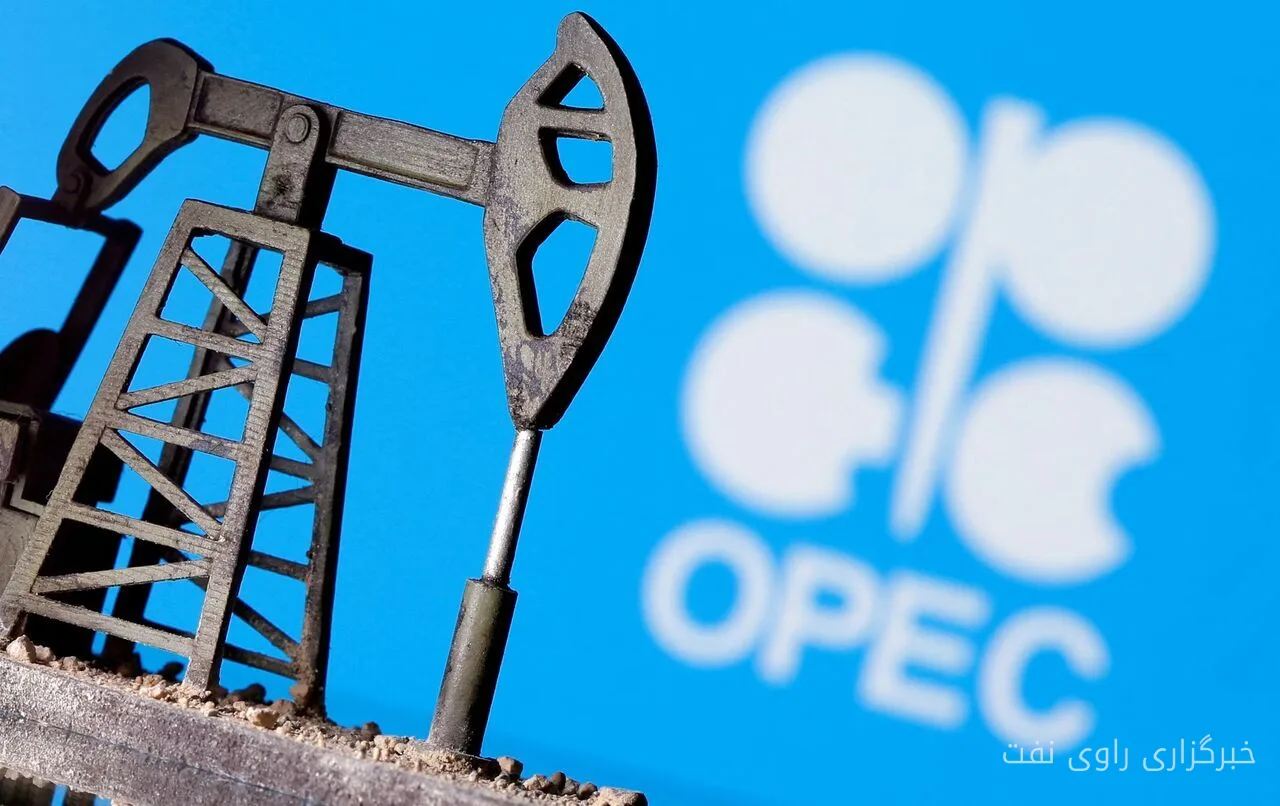
OPEC+, the oil alliance consisting of OPEC member countries and some non-member countries, decided in a brief online meeting to maintain its production ceiling for November. The main members of this group include Saudi Arabia, Russia, Iraq, Kuwait, Algeria, Kazakhstan, and Oman.
OPEC+ Oil Production Status
OPEC+ producers are producing significantly less oil than their production targets due to disruptions caused by the U.S. and Israeli regime's war against Iran. In recent months, the exports of this group have fluctuated between 60% to 80% of normal levels. Giovanni Staunovo, an analyst at UBS, stated that the seven main members of OPEC+ kept their production ceiling unchanged in line with market forecasts.
Read more: OPEC+ Oil Production Plan for Next Month Remains Unchanged
Supply Shortage and Its Impact on Oil Prices
Despite the (alleged) increase in oil flow from the Strait of Hormuz, the production level of OPEC+ members remains significantly below the set quotas. This has led to a continued supply shortage in the oil market. The leaders of the G7 also announced a coordinated release of 100 million barrels from energy reserves to counteract rising oil price volatility and pressure on the global fuel market. This action was taken to prevent exacerbating price shocks and their impact on households and businesses.
Following this decision, oil prices slightly decreased last Friday, but Brent crude prices remain above $100 per barrel. This is while before the onset of the war in Iran in late February, Brent crude prices were around $73.
This year, the increase in production has largely remained on paper, and the war in Iran has delayed the review of OPEC+ production capacity. This assessment is crucial for determining member production quotas in 2027. Oil industry sources recently stated that the aforementioned war has created uncertainty regarding future production capacity estimates for members.
After several years of production cuts, OPEC+ has increased its production targets for most months of 2026, but much of this increase has practically remained only on paper due to Middle Eastern conflicts. OPEC data shows that the seven main members of OPEC+ produced 25 million barrels of oil daily in August, which was 630,000 barrels more than in July, but this amount is still about five million barrels per day less than pre-war levels in February.
The next OPEC+ meeting is scheduled for November 1 (10 Aban). This group continues to maintain a production cut of about 2 million barrels per day, which includes most members of the group. To decide on how to distribute the increase in production, capacity assessment results are needed, and according to sources, any change in production levels before 2027 is unlikely. Additionally, a separate ministerial group in OPEC+ known as the Joint Ministerial Monitoring Committee also met today to review market conditions.
Read more: Gulf Oil Exports Reach 80% of Pre-War Levels · Iraqi Oil Tanker CEO Passed Two Million Barrels of Oil Through the Strait of Hormuz



