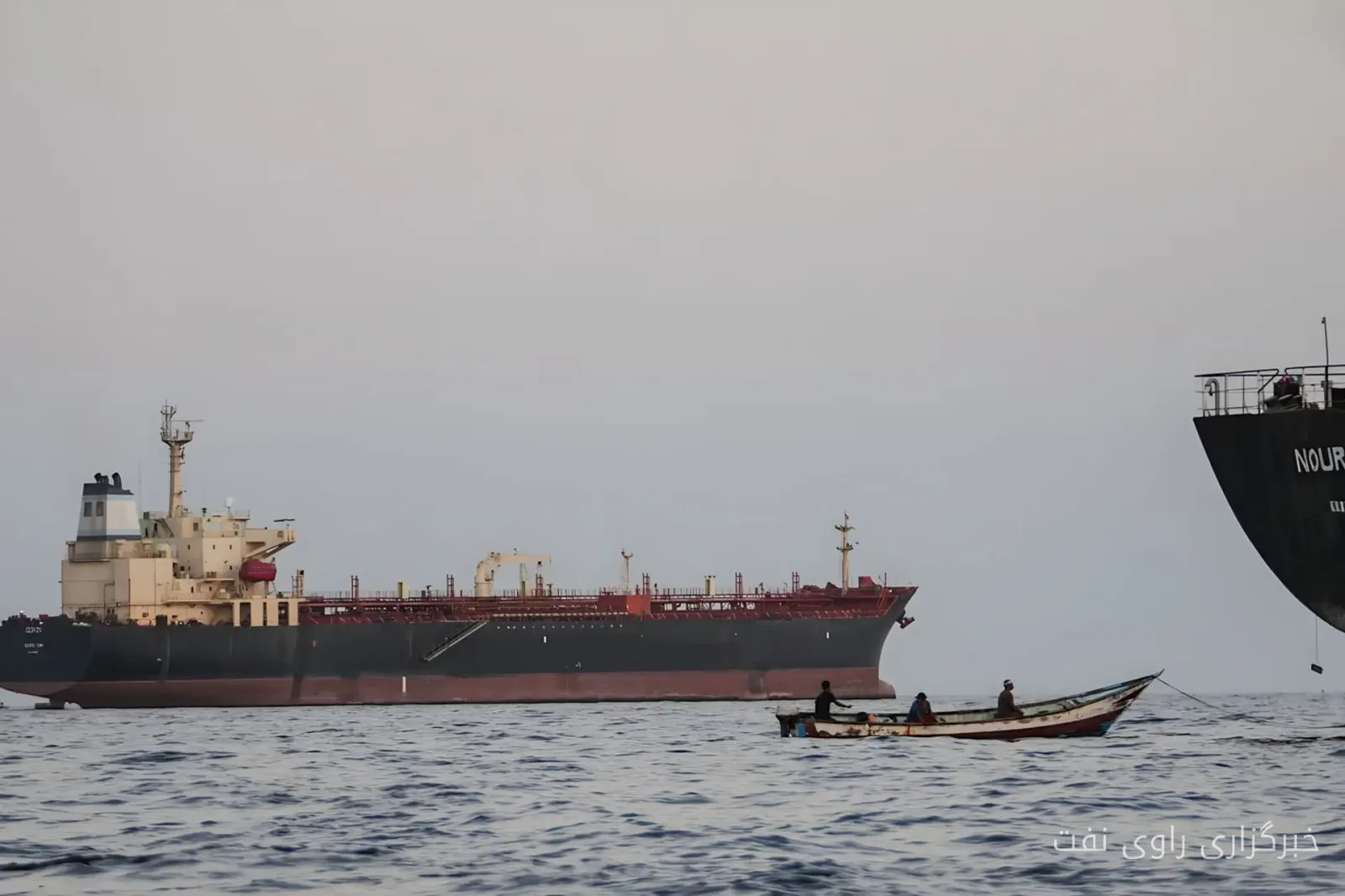
Gulf oil exports have reached 80% of pre-war levels, while transit costs and the risk of escalating attacks continue to keep the market volatile. This situation reflects the complex challenges arising from geopolitical tensions in the Strait of Hormuz.
Brent Crude and Triple-Digit Prices
Brent crude oil remains above $100 per barrel. This threshold is recognized as a benchmark for the success or failure of Donald Trump, the President of the United States. Falling below $100 is interpreted as beneficial for Trump, while exceeding this threshold could be detrimental to him. Meanwhile, the gap between the $99.99 and $100.01 price points can have profound psychological effects on investor behavior.
Read more: Phase 11 of South Pars Reaches Capacity of One Billion Cubic Feet of Gas per Day
Export and Oil Reserve Status
Before the war began on February 28, Gulf countries (excluding Iran) were exporting an average of over 17 million barrels of crude oil daily. However, with the onset of hostilities, oil exports sharply declined, reaching a low of 25% of normal levels, or less than 4.5 million barrels per day, at the height of the crisis. Nevertheless, over the past week, crude oil exports have increased to 14 million barrels per day, marking the highest level in the last six months.
In this context, many investors were skeptical about the volume of oil exports, but now most have concluded that a significant number of tankers are transiting through the Strait of Hormuz. However, the shortage of refined products, especially diesel, remains persistent, with gasoline, diesel, and jet fuel shipments only reaching 50% of normal levels.
Trump's performance in this regard indicates that he is effectively facing economic pressures and will likely endure more economic hardships to compel Iran to cooperate. This situation has kept the oil market in a state of anticipation, and Iran's return to the negotiating table could significantly lower prices, while an escalation of attacks on physical energy infrastructure could substantially increase oil prices.
Read more: Return of Damaged Oil Industry Capacities to Production Cycle · Trump Deploys 9,000 Military Personnel and Third Aircraft Carrier to the Middle East



