Oman, as an oil-producing country, is planning to increase its crude oil storage capacity. Ashraf Al-Mamari, CEO of the state-owned Energy Company, stated in an interview that the company is exploring the purchase of two supertankers and leasing them for use as floating storage at the "Duqm" port.
Increase in Crude Oil Storage Capacity
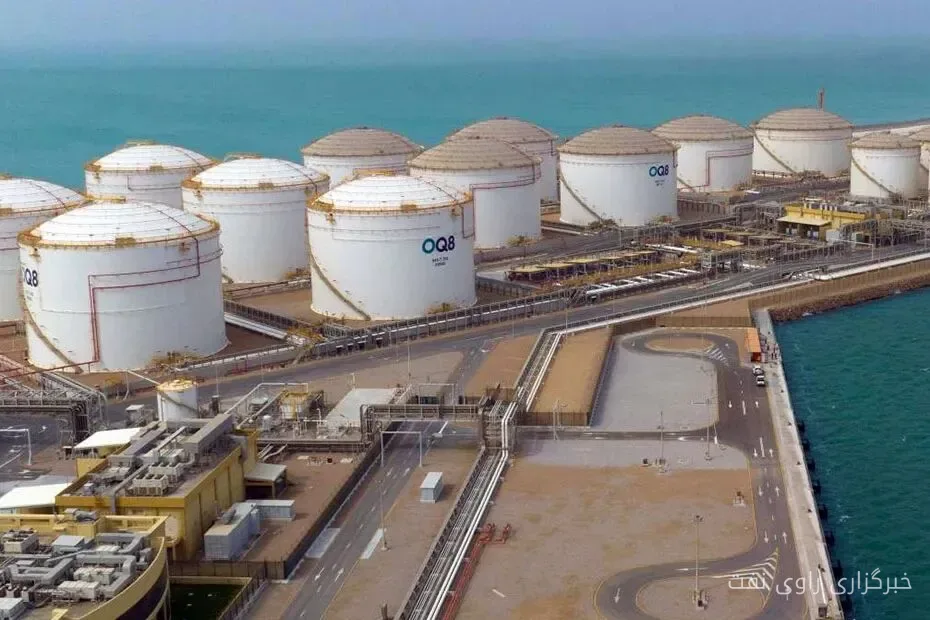
According to Al-Mamari, the company's goal is to increase its onshore crude oil storage capacity from about 5 million barrels to 10 million barrels over the next three years. This move could help Oman achieve more effective storage during critical conditions and fluctuations in the oil market.
Read more: Estimates of Oil Tanker Chartering on September 30, 2026
Al-Mamari also noted that the deployment of supertankers as storage facilities after their purchase would take about six months. The "Duqm" port is considered the endpoint of the pipeline across the Arabian Peninsula for exporting crude oil from fields in countries like Saudi Arabia and Kuwait, although no projects in this regard have been realized so far.
The Future of Crude Oil Storage in Oman
The CEO of the state-owned Energy Company stated that the long-term goal of the country is to develop onshore storage facilities in "Duqm" to ultimately allow for the storage of about 40 million barrels of crude oil. This decision has been made to enhance energy security and increase Oman's export capacity in the global market.
With the increasing risks from war in the Middle East, the cost of leasing the largest tankers, known as Very Large Crude Carriers, has risen to over one million dollars per day on the key route from the Gulf to China. This increase in costs could affect Oman's economic decision-making and create a need for more thorough assessments of the costs and potential benefits of crude oil storage.
Ultimately, Al-Mamari emphasized that the decision to add two supertankers as floating storage in Duqm, each with a capacity of 2 million barrels, has been set for late this year. However, the company must weigh the high costs of the ships against the potential profits from crude oil storage.
Read more: The Ministry of Oil Seeks to Strengthen Energy Cooperation with Azerbaijan and Russia · Increase in Crude Oil Prices Due to Supply Concerns in the Middle East