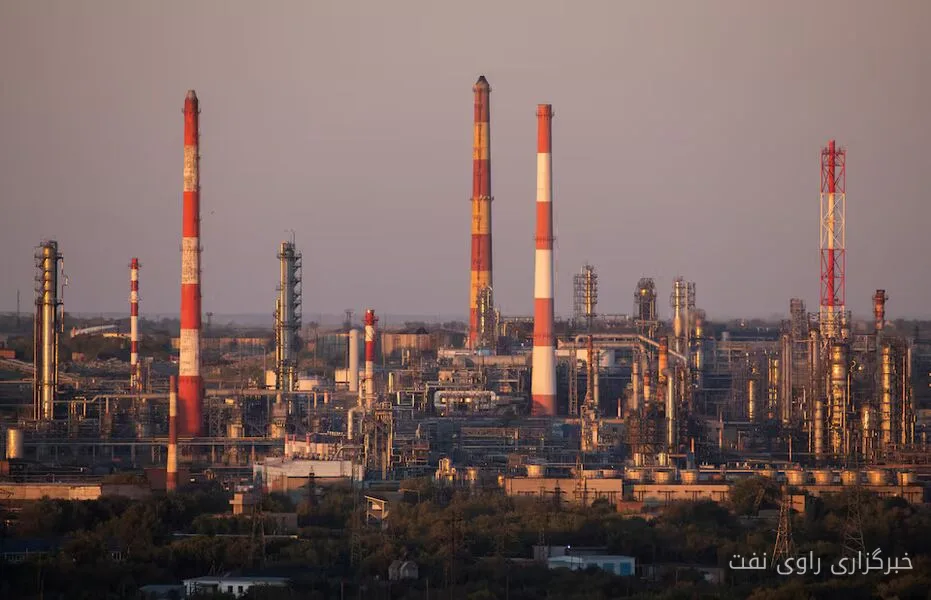
Crude oil prices reached below $105 per barrel on Wednesday, distancing themselves from their highest level in four months. This price drop occurred as industrial data indicated an unexpected increase in U.S. crude oil reserves. According to API data, U.S. crude oil reserves rose by 7.14 million barrels last week, while a decrease of 300,000 barrels was recorded the week before.
Supply Disruptions and Their Impact on the Market
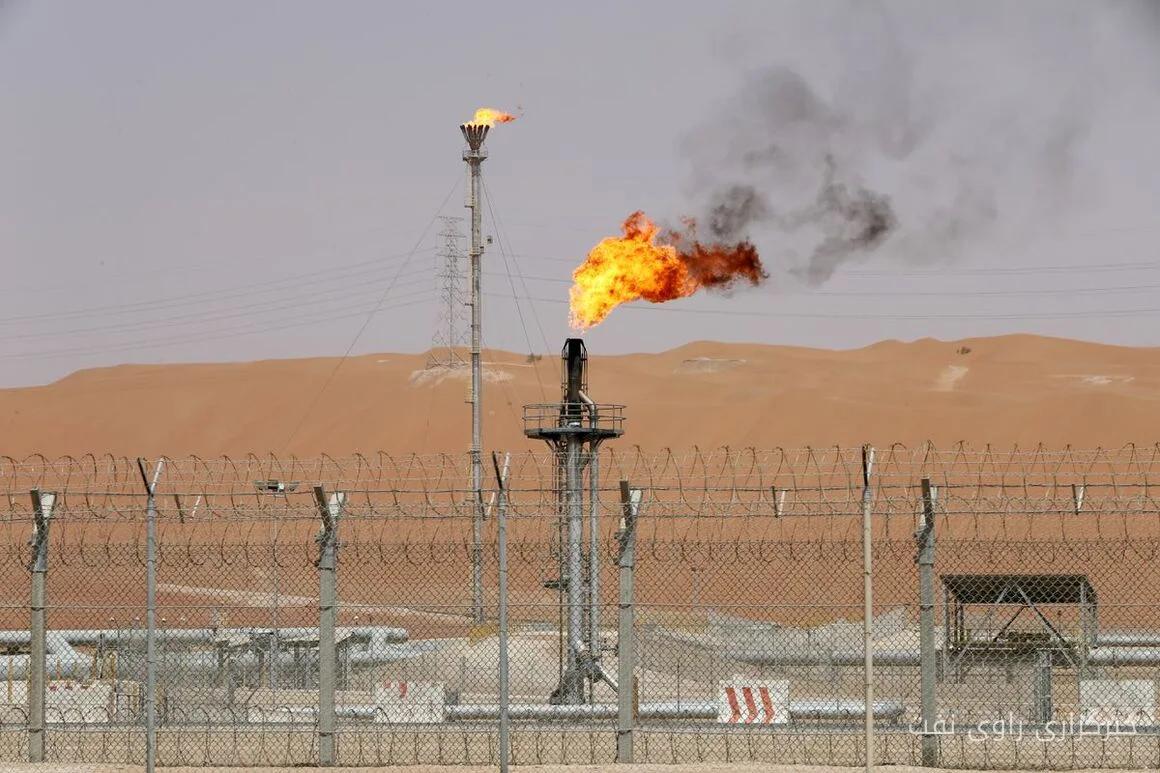
Alongside this increase in reserves, oil loading at the Yanbu port in Saudi Arabia remains suspended. This halt is due to the shutdown of a crucial east-west pipeline that provides an alternative route to bypass the Strait of Hormuz. So far, no exact timeline has been announced for the resumption of activities on this pipeline, while repeated attacks by Iranian-backed Houthi rebels on Saudi Arabia have continued this week.
Read more: Cheniere Energy Completes Corpus Christi LNG Development Project
Oil Situation in Libya
In Libya, the National Oil Corporation has halted operations at two oil fields and a pumping station due to ongoing protests. However, Libya's total oil production remains stable at around 1.4 million barrels per day. This relative stability in oil production occurs amid a highly unstable political and social situation in the country.
Despite disruptions in oil production and distribution in these regions, the global oil market is affected by price fluctuations and changes in supply and demand. The increase in U.S. oil reserves may help lower prices in the short term, but ongoing tensions in the Middle East and their impact on global oil supply will remain a key factor in determining prices.
Read more: Rising LNG Prices Increasing Clean Tanker Shipping Rates with LNG Fuel · Pertamina Seeks Investment in Guyana and Suriname Oil for Energy Security