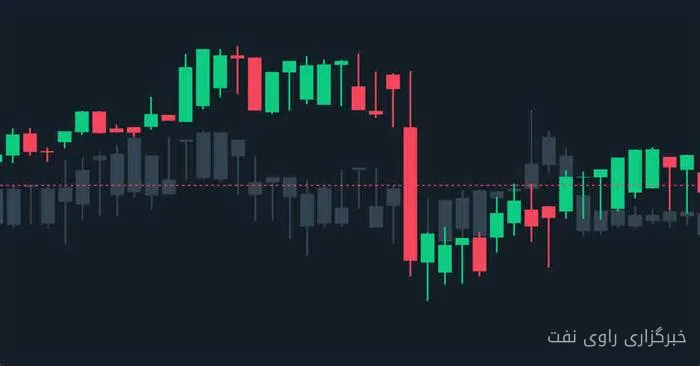
West Texas Intermediate (WTI) crude oil for December delivery fell by 0.4% to $96.09 per barrel in New York. Meanwhile, Brent oil prices for January delivery decreased by 1.1% to $103.60 per barrel. These price fluctuations reflect the impact of Iran's conflicting signals on the global oil market.
Impact of Iran's News on the Oil Market
The oil market is heavily influenced by news and signals related to Iran. Recently, conflicting statements from Iranian officials and political developments in the region have increased uncertainty in the oil market. This uncertainty not only affects prices but can also influence the decision-making of investors and oil producers.
Read more: The selected team of oil industry firefighters has been sent to the World Championships in Baku
Analysis of Price Fluctuations
The decline in crude oil prices indicates existing concerns about global supply and demand. Although demand has increased in some areas, various factors including political and economic tensions in the Middle East and climate changes can have adverse effects on the market. Analysts believe that these fluctuations may continue unless a relative stability in the energy policies of Iran and other major oil producers like Saudi Arabia and Russia is established.
Overall, the oil market is currently in an unstable state, and investors need to pay special attention to global developments, particularly Iran's signals. If fluctuations continue, the market may face further challenges that could impact prices and oil supply in the future.
Read more: Total Energies signed a 15-year LNG supply contract with Jiangsu, China · Iran's 48-hour plan to reopen the Strait of Hormuz



