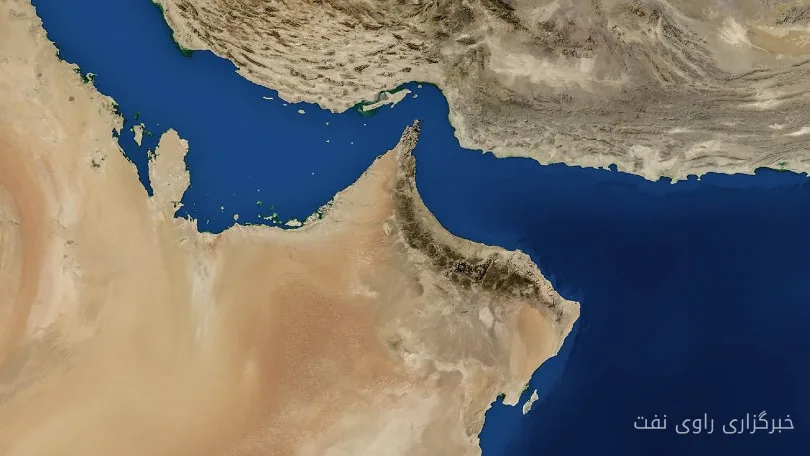
Iran's 48-hour plan to reopen the Strait of Hormuz is recognized as one of the most important focal points of political and economic developments in the Persian Gulf region. The Strait of Hormuz, known as one of the most strategic shipping routes in the world, plays a vital role in the transportation of oil and gas. Given that about 20% of the world's oil passes through this strait, any change in its status could have extensive repercussions on the global energy market.
Details of Iran's Plan
In this plan, Iran seeks to reduce tensions and ensure the security of shipping in the Strait of Hormuz. This initiative is designed as a 48-hour program that includes multilateral cooperation with neighboring countries and other international stakeholders. The main goal of this plan is to create a safe environment for ships and commercial fleets that transit through this waterway.
Read more: Houthi Attacks on the Ras Tanura Oil Field in Saudi Arabia and Their Impact on Oil Prices
Currently, the Strait of Hormuz faces many challenges due to geopolitical tensions and security threats. This plan could be seen as a positive step towards reducing tensions and creating a safe space for shipping in this region. Tehran hopes that by implementing this plan, other countries will also be encouraged to cooperate in this area.
Economic and Political Consequences
If this plan is successfully implemented, it could have positive effects on the global oil and gas market. Reducing tensions in the Strait of Hormuz could help lower oil prices and stabilize energy markets. Meanwhile, any new threat or crisis in this region could lead to price increases and create severe fluctuations in the global market.
On the other hand, this plan could help strengthen Iran's relations with neighboring countries and pave the way for new economic and commercial collaborations. Considering that some Gulf countries are also seeking to ensure shipping security and reduce tensions, this plan could serve as a model for international cooperation.
Read more: TotalEnergies Takes Control of Upstream Gas Projects in Malaysia · Oil Price Drop with Trump's Willingness to Negotiate with Iran