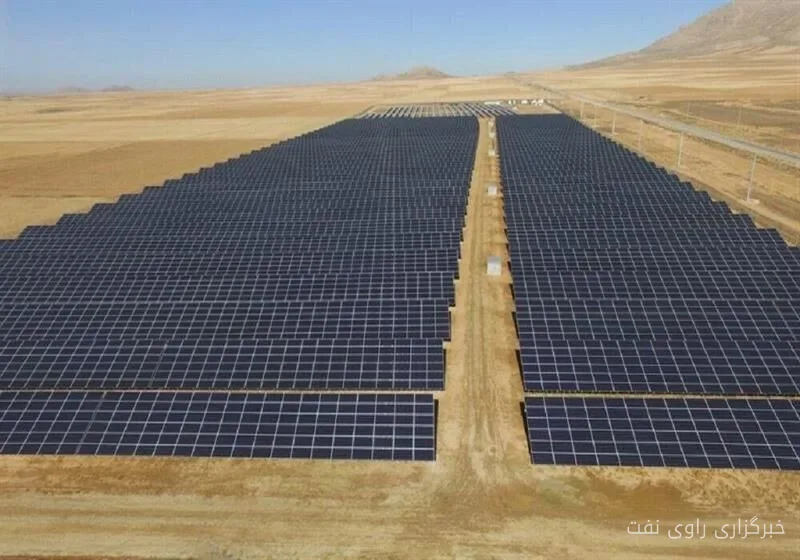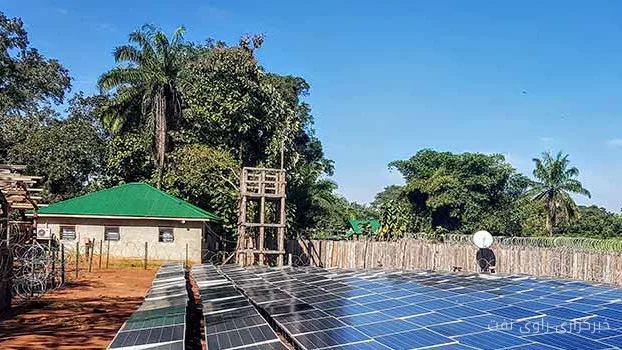
Off-grid solar energy is recognized as the cheapest source of electricity for nearly 400 million people globally. According to new reports, this type of energy not only helps increase access to electricity but can also lead to reduced energy costs for families and businesses. This transformation in energy supply could have significant social and economic implications.
Economic and Social Impacts
The development of off-grid solar energy enables electricity supply to areas that are unable to access power grids due to lack of proper infrastructure or high costs. This transformation can improve living conditions in rural and underserved communities and create new job opportunities. Additionally, by reducing dependence on fossil fuels, it can help achieve sustainable development goals.
Technical Details and New Capacities
Research shows that the cost of installing off-grid solar energy systems has significantly decreased. In many areas, installation costs have fallen to less than $1,000 for small systems. This cost reduction is particularly evident in developing countries and regions with weak electrical infrastructure. Estimates suggest that this transformation could increase global solar power generation capacity to over 100 gigawatts.
On the other hand, it is worth noting that this type of energy is considered a sustainable solution for improving energy access globally due to its capabilities in supplying electricity to remote areas. This change not only reduces costs but also helps preserve the environment.