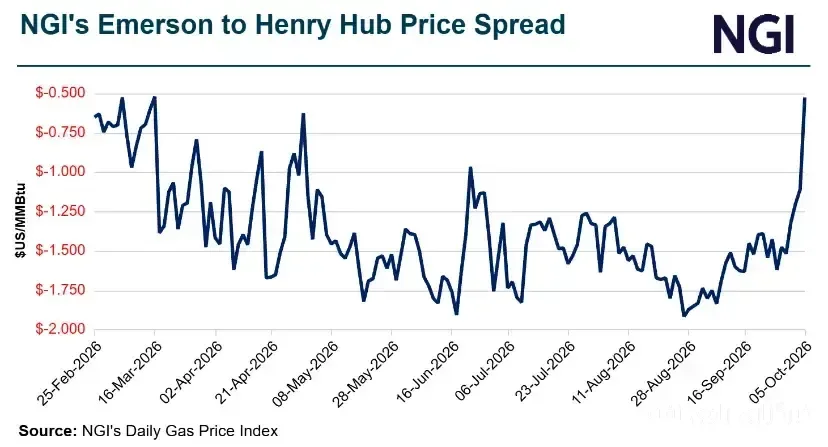
Physical natural gas prices faced a significant increase on Monday as the early cold of the season reached the Great Lakes and Northeastern regions of the United States. Meanwhile, a pipeline outage has trapped gas supply in the Appalachian basin, specifically keeping the benchmark Marcellus Shale price below $1 per million BTU (MMBtu).
Impact of Early Cold on the Gas Market
The early cold that has reached the Northeastern and Great Lakes regions has directly impacted the demand for natural gas, causing prices to rise in these areas. These seasonal changes typically occur in the final months of the year and the beginning of winter, and it is generally expected that demand will increase during this period. With rising demand, prices naturally tend to increase.
Read more: Goldman Sachs Analyzes the Limited Effects of the U.S. Diesel Export Ban
Pipeline Outages and Their Impact on Supply
In addition to seasonal changes, pipeline outages in the Appalachian region have added to the existing supply issues. This outage has caused gas supply to be trapped, resulting in regional prices being under pressure. The price of gas in the Marcellus Shale basin, one of the largest natural gas resources in the United States, has fallen below $1/MMBtu. This reflects the challenges in the supply and distribution of natural gas in this region.
Overall, given the weather conditions and infrastructure issues, the natural gas market is continuously changing, and these changes could have significant implications for prices and supply in the future. Market analysts are closely monitoring these trends to provide more accurate forecasts for the future of the market.
Read more: Transition of Australia's Maritime Industry to Low-Carbon Fuels · South Pars Manages Gas Imbalance with Pressure Enhancement Plans



