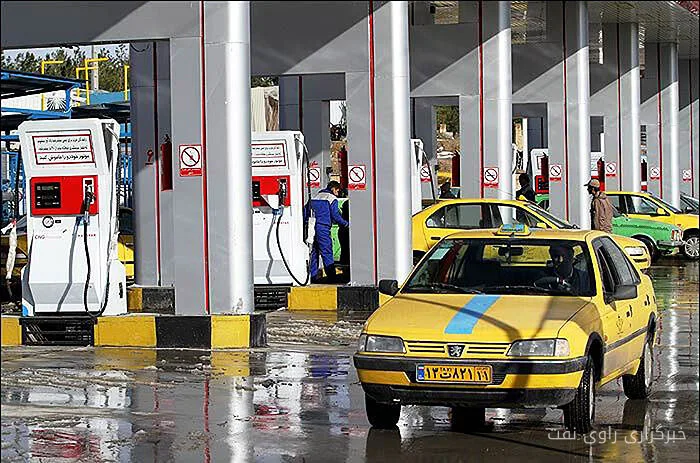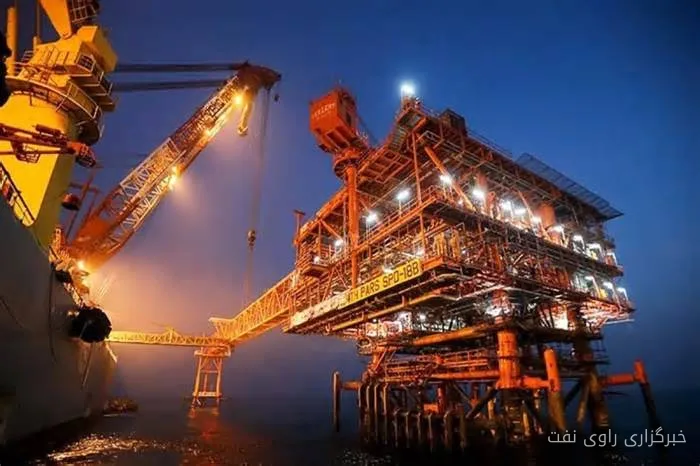
South Pars, the largest gas field in the world and the beating heart of Iran's energy, is facing the challenge of natural reservoir pressure decline after years of uninterrupted operation. This issue signifies a reduction in daily production capacity and poses a direct threat to the country's energy security during the cold seasons.
Strategy Shift from Simple Extraction to Pressure Engineering
The pressure enhancement projects, recognized as vital mega-projects in Iran's oil and gas industry, represent a fundamental shift in the approach to the shared South Pars field. These projects focus on pressure engineering rather than simple extraction. The main goal is to compensate for the reservoir pressure decline by installing massive compressors and creating pressure boosting stations.
South Pars, recognized as one of the largest sources of natural gas in the world, currently plays a key role in supplying the country's energy with a daily production capacity of 280 million cubic meters. However, due to the declining reservoir pressure, the need for implementing pressure enhancement projects is increasingly felt.
Impact of Regional Tensions on Upstream Projects
The pressure enhancement projects, which play an irreplaceable role in the stability of the national energy network, have faced delays in equipment supply and field planning due to escalating war conditions in the region. Delays in the supply of critical equipment and logistical issues arising from geopolitical tensions have clearly affected the progress of these projects.
Alireza Sadeghifard, an expert in the development of shared fields, emphasized that security shocks can disrupt the supply chain of offshore projects. However, the Ministry of Oil is attempting to revive these projects by defining new support lines and reclaiming the initiative to prevent pressure decline from becoming an irreversible bottleneck for the country.
Combined Scenario for Managing Gas Imbalance
Maintaining protective production from the shared South Pars field, given the natural pressure decline, has become one of the key challenges in Iran's oil industry. Therefore, implementing a combined scenario (Onshore-Offshore) for pressure enhancement in the Hub 1 area has been put on the agenda as an operational solution. This scenario is divided into two distinct phases: the emergency and medium-term phase (land-based) and the final phase (offshore).
In the land-based phase, the installation of 9 compressor units with an operational capacity of 333 million standard cubic feet per day at the Phase 12 refinery site is planned. This action aims to minimize gas migration towards the shared reservoir sections. In the offshore phase, it is anticipated that two "mini-hub" sets will be established in marine positions, each with a capacity of 1000 million cubic feet per day, three years after the implementation of the land-based phase, serving as the main solution for stabilizing final recovery from the reservoir.
Hamidreza Saqafi, CEO of Petropars Group, explained that the first phase includes the installation of 9 compressors with a capacity of 333 million standard cubic feet per day along with ancillary facilities at the land refinery of Phase 12. This section is designed as a quick solution in the short and medium term.
Given this approach, it seems that South Pars is on the brink of a fundamental transformation that could significantly contribute to the sustainability of the country's energy supply.
Read more: Reduction of 250 Million Cubic Meters of Gas in Iran and the Challenges of Winter 1403