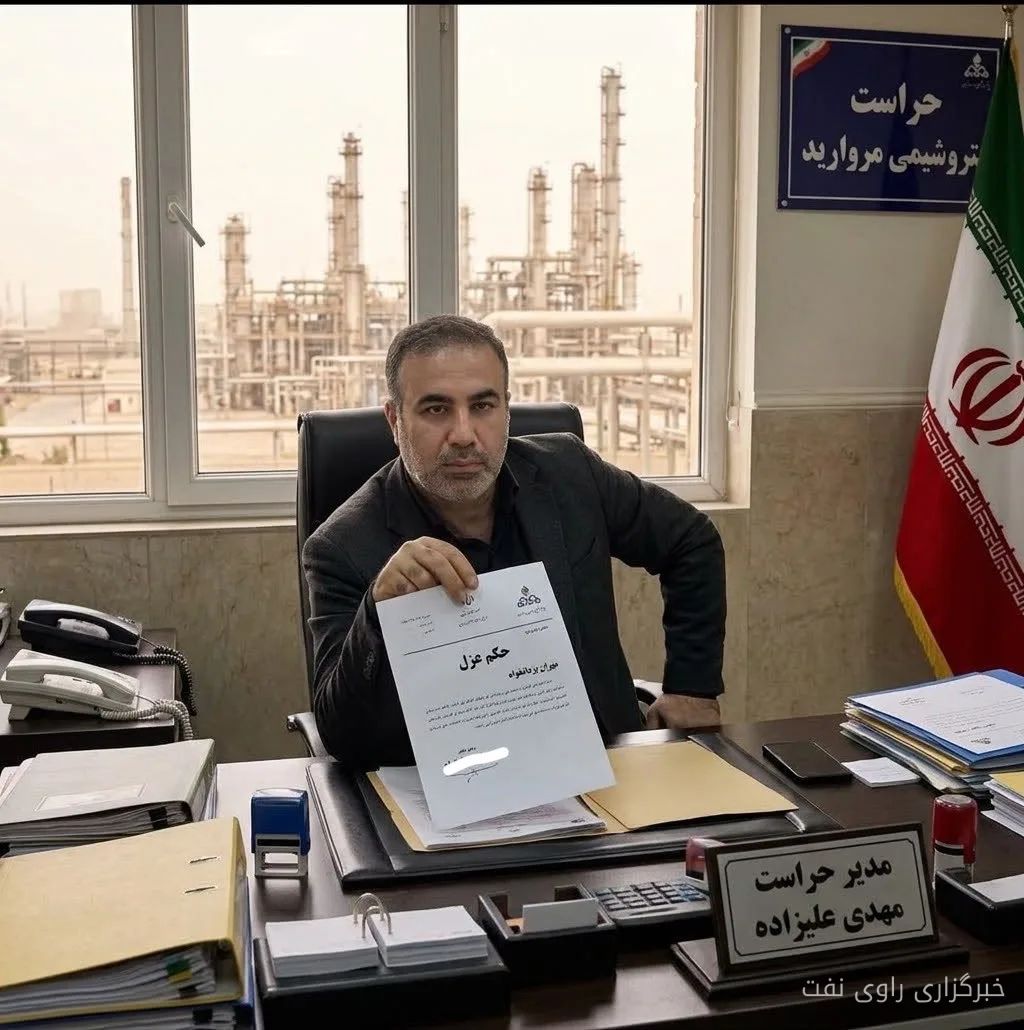
Despite the judiciary's announcement regarding its approach to "big fish" in the Dabsheh tea case, yesterday Mohammad Bigdeli, one of the main defendants in this case, was spotted near Tehran Mosalla. This sighting, along with the situation it creates, raises serious questions about how the judiciary deals with defendants in this case, indicating a mismatch between the judiciary's promises and the realities on the ground.
Challenges in Dealing with Defendants
Bigdeli's presence in a public place like Tehran Mosalla, while the judiciary had promised to deal harshly with key defendants in this case, raises questions about the effectiveness of the judicial system and its determination to combat corruption. This issue highlights the challenges in pursuing large and complex cases that are intertwined with economic and social interests.
The Dabsheh tea case, as one of the significant economic corruption cases in the country, requires closer monitoring and follow-up due to its extensive dimensions and the high number of defendants. Meanwhile, relevant institutions must take effective measures to prevent such occurrences and ensure that defendants are not easily able to move around in public places.
Questions About the Judiciary's Actions
Increasing transparency in the handling of cases and appropriate communication with the public are among the factors that can help strengthen public trust. Can the judiciary demonstrate through effective actions that it fulfills its promises in practice? These are questions that currently occupy the minds of many.
Ultimately, it remains to be seen whether such presences are perceived as a sign of weakness in the judicial system or whether they will provide grounds for fundamental changes in existing approaches.