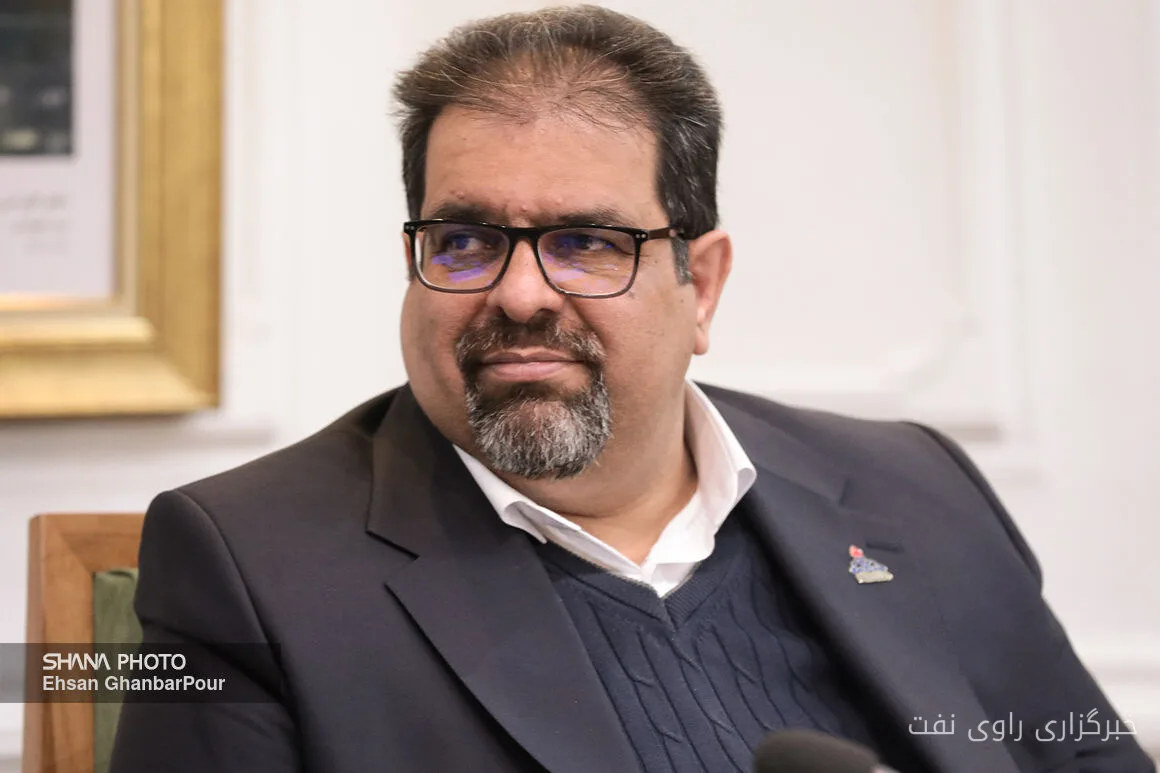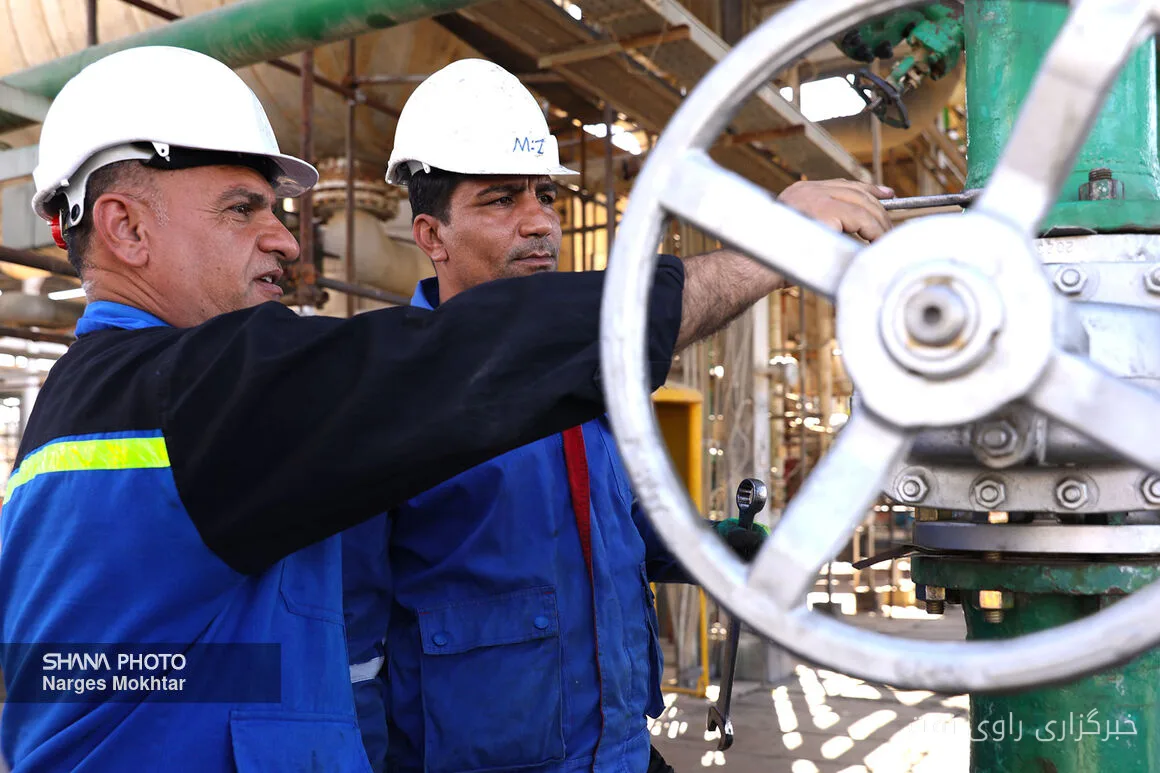
Fouad Hamzavi, CEO of the Sirkhun and Qeshm Gas Refinery, highlighted the importance of localization of equipment in the Sirkhun and Qeshm refinery, emphasizing its role in reducing repair costs and increasing production sustainability. He stated that localizing commonly used parts and manufacturing spare items domestically not only reduces currency dependency but also decreases the waiting time for obtaining parts and the costs associated with production stoppages.
The Role of Domestic Experts in Reducing Costs
Hamzavi added that relying on the capabilities of domestic experts and reverse engineering creates a dual mechanism for reducing costs and increasing repair speed. This approach is particularly effective in conditions of limited access to foreign supply chains and long delays in obtaining parts.
Read more: Reduction of Russian Crude Oil Exports on G7 Tankers as Greek Operators Flee Towards Better Revenues
He also emphasized the presence of domestic specialists who have the technical knowledge of complex equipment such as turbo generators and compressors, stating that this presence reduces the time for analysis, troubleshooting, and repairs.
Manufacturing Solar Gas Turbine Actuator for the First Time
Hamzavi announced the project to manufacture a servo-hydraulic actuator for the solar gas turbine, which will begin in early 2026 by a knowledge-based company. This actuator, designed as a special equipment, is difficult and costly to obtain under sanctions. The main advantage of localizing this actuator is to meet the country's need for this type of equipment and to enable its development for other models of gas turbines.
The CEO of the Sirkhun and Qeshm Gas Refinery further referred to the impact of reservoir conditions on production trends, stating that due to the severe decline in reservoirs and limitations on input feed, increasing production faces challenges. However, the continuity of production and optimal utilization of existing capacity plays a significant role in supplying energy to the country and related industries.
Hamzavi pointed out the balance between increasing production capacity and optimizing energy consumption patterns, stating that the implementation of gas storage projects and supplying the refinery feed from the Kish gas reservoirs and surrounding gas fields helps reduce gas imbalance in the Hormozgan region and neighboring provinces.
Ultimately, he stated that the ultimate goal of the Sirkhun and Qeshm refinery is to become a leading entity in sustainable and environmentally friendly production in the coming years.
Read more: Significant Decrease in Revenues of Atlantic Tankers Compared to the Persian Gulf · Phase 13 Refinery of South Pars on the Path to Sustainable Production