Isfahan province, as one of Iran's main industrial centers, has faced significant damages during the third imposed war. According to the provided statistics, the volume of self-reported damages from affected units in this province is estimated to exceed 37 trillion rials (equivalent to 370 trillion rials). This figure places Isfahan at the top of the country in terms of the volume of monetary damages.
Damages from the War and Its Consequences
At the national level, statistics indicate that the damages inflicted on production units are estimated between 15 to 20 billion dollars, with around 4,000 production and craft units across the country suffering damages ranging from 10 to 100 percent. Isfahan, as the second most affected province in terms of the extent of damages caused by the war, particularly in the Mobarakeh Steel complex, has suffered severely with 37 trillion rials in self-reported damages and the complete destruction of 77 industrial units.
Read more: New Developments in Marine Insurance and Challenges in Claiming Damages
Senior officials in Isfahan province have announced that 2,000 units are involved in the crisis, of which only 522 industrial units have managed to return to the production cycle. Additionally, 1,430 craft, industrial, and mining units are facing deep structural challenges and issues in securing raw materials. Notably, out of 1,448 industrial units, 77 have been completely destroyed, and 117 units have suffered over 70 percent damage.
Reconstruction Plans and Support for Industries
For the reconstruction of affected industries, the issuance of 150 trillion rials in bonds, the formation of two specialized committees for steel and petrochemicals, and the provision of tax and customs incentives have been planned. In this regard, Seyed Shamseddin Hosseini, the head of the Economic Commission of the Parliament, has announced a resolution based on which 150 trillion rials in bonds will be issued for the reconstruction of industries.
From a legal perspective, a package of incentives has been designed, including the provision of land adjacent to industrial parks for affected units, exemptions for the import of machinery and raw materials, and exemptions for the rapid clearance of spare parts to reduce the burden of reconstruction costs. These actions reflect the government's and Parliament's approach to transforming industrial reconstruction into a strategic investment for maintaining the country's value chain.
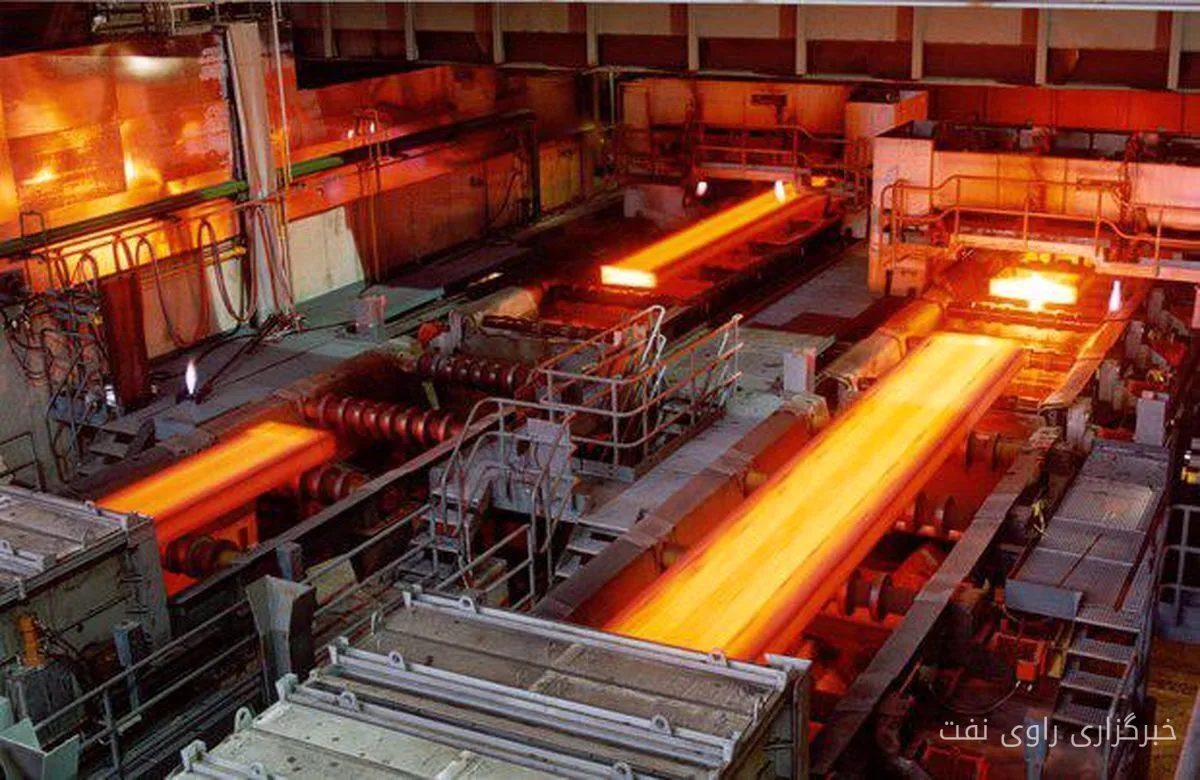
Mobarakeh Steel, as the largest steel factory in the country, has suffered significant damages during this war, and initial estimates indicated that the cost of reconstructing this complex would reach several billion dollars. However, with effective management and reliance on domestic engineering capabilities, most of Mobarakeh's furnaces have returned to production, and the reconstruction costs have been estimated to be significantly lower than initially predicted.
Read more: National Gas Company Emphasizes Readiness to Manage Gas Imbalance · Facilitating Financial Support for the Reconstruction of Oil Industry Facilities by Hamid Bord