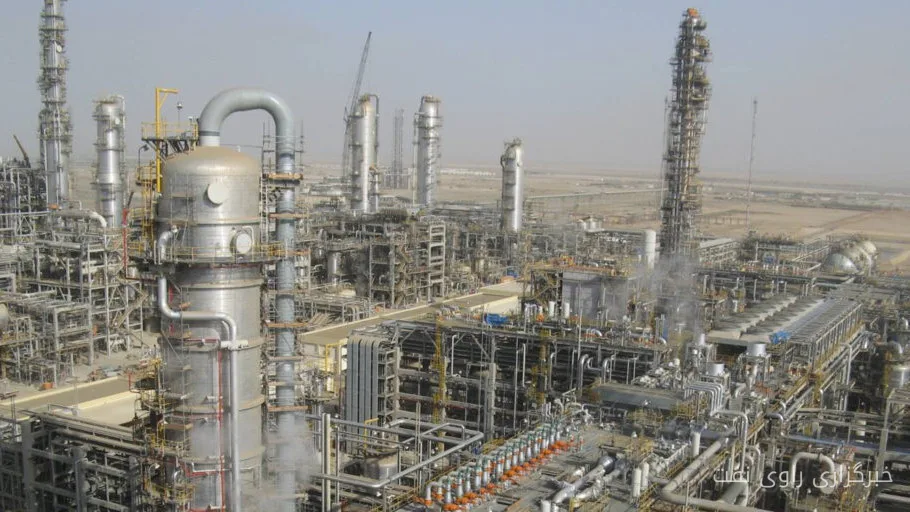
The recent attacks carried out by Iranian-backed Houthi forces on Saudi Arabia's largest oil refinery, Ras Tanura, once again demonstrate the inability of regional countries to effectively defend against Iranian threats and its proxy forces. These attacks, which occurred last week, resulted in a renewed increase in oil prices and a reminder of Tehran's power in determining the price trend of this strategic commodity in the global market.
Details of the Attacks and Their Impact on Oil Prices
Ras Tanura refinery, with a capacity of 550,000 barrels per day, is one of the main pillars of Saudi Arabia's crude oil exports. The Houthi attacks on this refinery were repeated and led to an approximately 1% increase in oil prices. This situation recalls previous attacks on this refinery that occurred in March 2021, also using drones and missiles. In these past attacks, senior commanders of the Islamic Revolutionary Guard Corps in Tehran had issued orders for the assaults.
Political and Economic Consequences
These attacks clearly indicate the direct relationship between oil prices, the U.S. economy, and the electoral prospects of the current President of the United States, Donald Trump. History has shown that fluctuations in oil prices impact the U.S. economy and the electoral success of presidents. For every $10 increase in crude oil prices, gasoline prices in the U.S. rise by about 25 to 30 cents, leading to a reduction in American consumer spending by more than $1 billion annually.
The Houthi attacks on Saudi refineries and energy facilities not only affect oil prices but also highlight the inability of U.S. defense systems to secure these countries. The fact that Gulf countries remain vulnerable to Iranian threats despite purchasing advanced military equipment from the U.S. significantly impacts the security and stability of the region.



