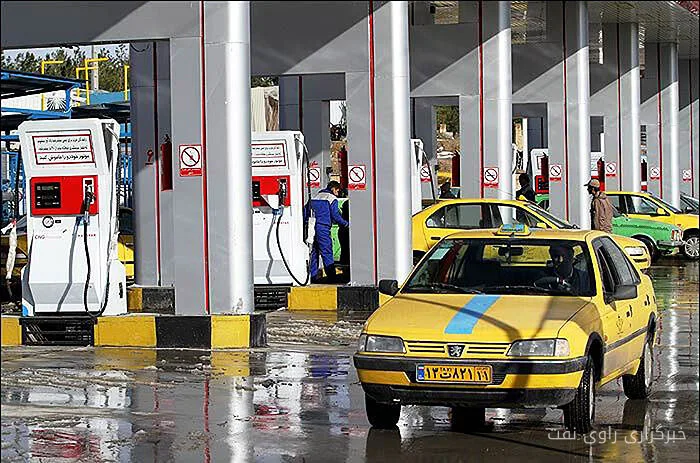
Iran, with a capacity of 30 to 35 million cubic meters of CNG (Compressed Natural Gas) consumption per day, only exploits 17 million cubic meters of this capacity. This underutilization indicates that a significant portion of the infrastructure invested in CNG development remains unused. Additionally, the development of LPG (Liquefied Petroleum Gas) and electric vehicles has also been prioritized, with 232 electric charging stations receiving operational licenses.
Challenges of Coordination in the Energy Chain
The main problem is not just the lack of infrastructure, but the lack of coordination among the components of the energy chain. Countries like Turkey and China, as successful examples in this field, have managed to stabilize LPG in the transportation fuel mix and advance the electrification of vehicles alongside the development of charging networks. In Iran, however, policies often proceed separately; one day CNG, the next day LPG, and in winter, a return to liquid fuel to prevent gas shortages in power plants and industries.
Read more: Increase in Diesel Prices in the U.S. and Concerns Over Local Fuel Shortages
A Comprehensive View of Fuel Imbalance
These inconsistencies create a serious contradiction; alternative fuels, without a complete chain, merely change the form of imbalance. For example, electric vehicles without a sufficient power and charging network, CNG without vehicles and active stations, and LPG without distribution infrastructure cannot solve the imbalance problem on their own. Even the winter version of substituting gas for power plants and industries with diesel and fuel oil is more of an emergency solution than a remedy for imbalance.
The pressure relieved from the gas network will automatically transfer to the liquid fuel chain. Meanwhile, transferring fuel consumption from fuel cards to bank cards is a tool for managing consumption, not for producing more fuel. Therefore, imbalance exists throughout the entire energy chain from oil and gas production and refining to power plants, transmission networks, vehicles, pricing, and consumption patterns.
In fact, Iran's issue is no longer the shortage of a specific fuel; rather, it is the imbalance in the entire energy chain. If every time a crisis arises in one sector and we merely replace it with another fuel, we may not solve the imbalance; instead, we will just shift it. Today we compensate gas with fuel oil, tomorrow we will replace gasoline with CNG, and the day after we will substitute part of the fuel with electricity. The main issue is not choosing between gasoline, CNG, LPG, or electricity; rather, it is whether these fuels should be integrated into a single energy map or each be used separately to extinguish a fire in one sector.
Read more: Decrease in LNG Demand in Asia Due to Supply Crisis · Delivery of Two Ammonia-Fueled Ships by Eastern Pacific Shipping