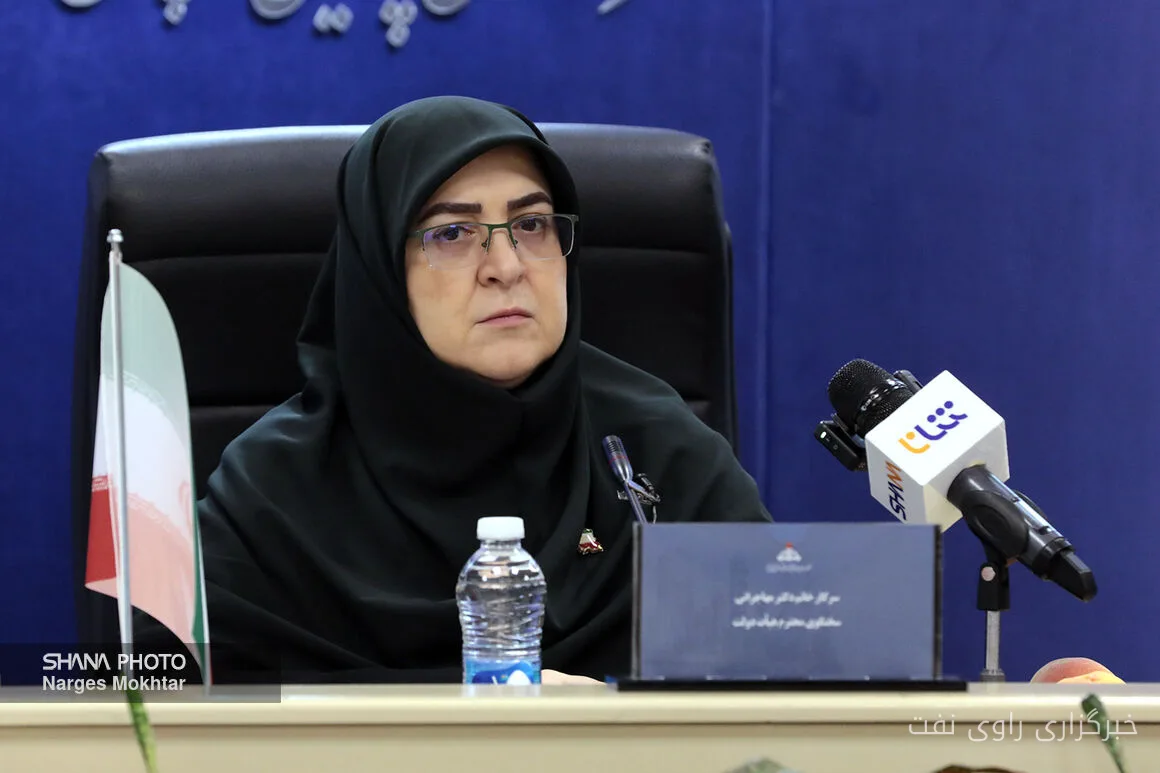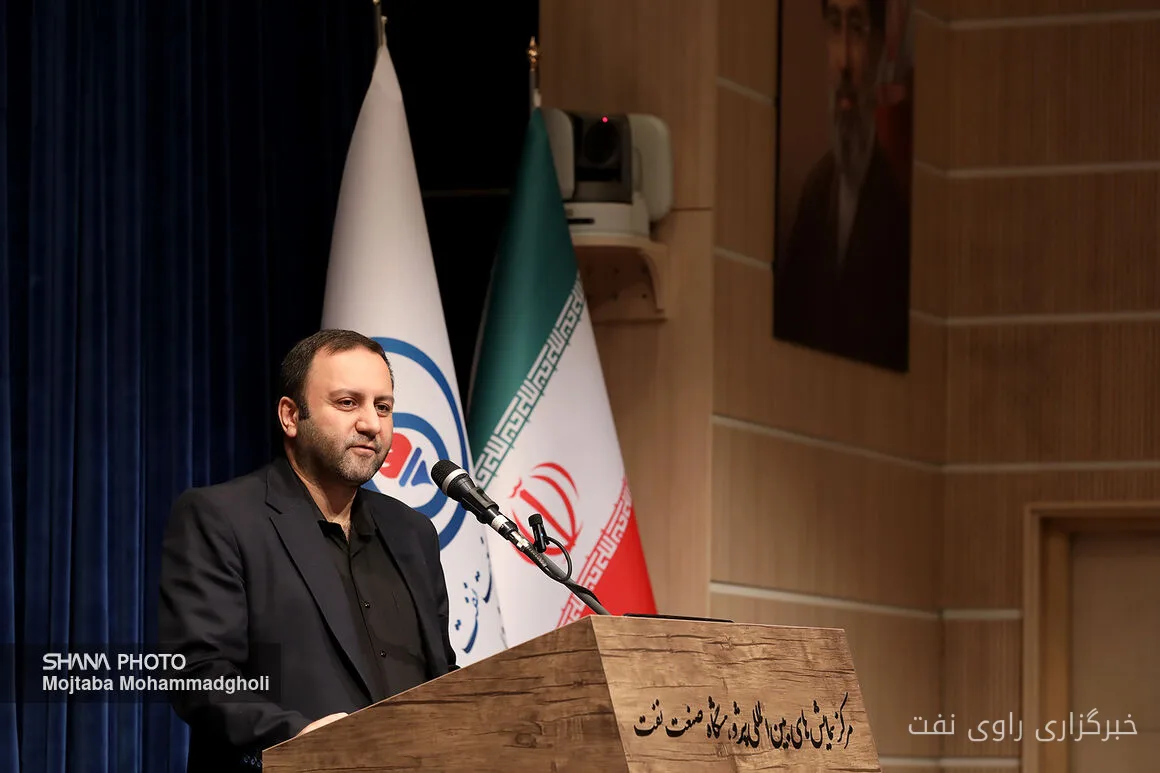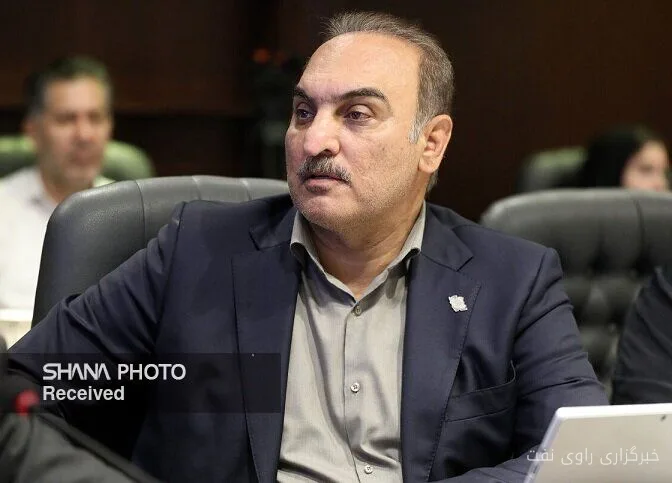
Hamid Bourd, the head of Iran's Ministry of Oil, met today (Tuesday, November 5) with Saad bin Sherida Al-Kaabi, the Qatari Minister of Energy, on the sidelines of the eighth summit of the Gas Exporting Countries Forum (GECF) in Moscow to discuss the development of cooperation between the two countries in the energy sector.
Emphasis on Bilateral Cooperation
During this meeting, Bourd emphasized the strategic proposals of the Islamic Republic of Iran for the GECF and called for effective cooperation among the members of this forum, especially major gas producers and exporters, with the aim of strengthening convergence and developing bilateral and multilateral dialogues. This topic highlights the importance of energy relations between Iran and Qatar as well as the willingness of both countries to increase interactions in this area.
Read more: Farhad Shahroki considers energy diplomacy a way to attract investment in the gas industry
Consequences of Foreign Interventions
Bourd emphasized the inseparable link between energy security and regional peace and stability, stating: "The interventions and military actions of the United States and unilateral economic sanctions, in addition to harming the legitimate interests of the Iranian nation, have negatively impacted investment security and the predictability of global energy markets." These statements reflect the challenges that Iran faces in the energy sector.
The eighth summit of the Gas Exporting Countries Forum is being held today in Moscow with the presence of the leaders of member countries and their high-ranking representatives. This summit is considered an opportunity to discuss strategic issues in the gas industry and strengthen cooperation among gas-producing and exporting countries.
Structure and Members of the GECF
The Gas Exporting Countries Forum consists of 12 main members as follows: Algeria, Bolivia, Egypt, Equatorial Guinea, Iran, Libya, Nigeria, Qatar, Russia, Trinidad and Tobago, the United Arab Emirates, and Venezuela. Additionally, Angola, Azerbaijan, Iraq, Malaysia, Mauritania, Mozambique, Peru, and Senegal have joined the forum as observer countries.
The member countries of the GECF collectively hold about 70% of the world's proven natural gas reserves, 38% of commercial gas production, and 42% of global gas exports. Their share of liquefied natural gas exports is also estimated to be around 47%. These statistics indicate the significant power and influence of this forum in the global energy market.
Read more: Britain is reviewing the cancellation of its large non-operational oil field · Qatar proposed two gas power plants to Lebanon and 20 years of liquefied gas through Syria