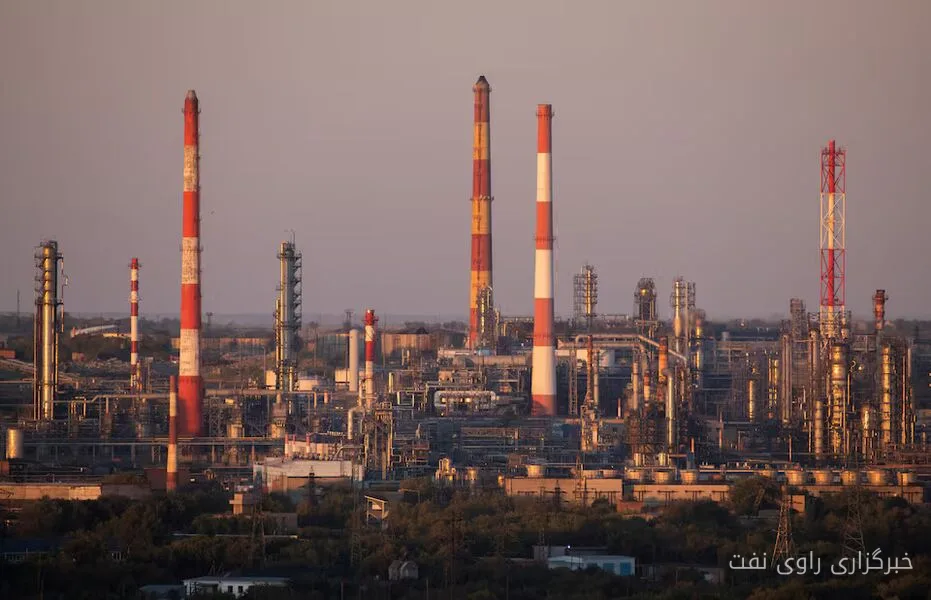
Diesel production at Russian refineries has increased in October following a recent agreement between Moscow and Washington for fuel supply and export quota allocation. This production increase has reached 180,000 tons per day and is expected to continue until the end of November.
Details of the Agreement and Its Effects
Donald Trump, the President of the United States, announced on October 9 that Russia has agreed to supply 300,000 tons (about 2 million and 250 thousand barrels) of diesel to the United States and global markets. Following this agreement, it is expected that another 500,000 tons will be supplied in November, followed by another million tons of diesel.
Read more: Indian Petrochemical Company Reduces Purchase of Russian Oil
This agreement allows the Russian government to strategically adjust diesel production and exports. In this context, industrial sources reported that daily diesel production had decreased from 175,000 tons in September to 160,000 tons in the first half of October, but after the announcement of new export quotas, this production has increased to 180,000 tons per day.
Domestic Consumption and Exports Status
Typically, domestic diesel consumption in Russia decreases to about 140,000 tons per day in October. Accordingly, at least 40,000 tons per day, equivalent to over one million tons per month, is prepared for export. Of this amount, about 200,000 to 300,000 tons may be needed for neighboring countries.
It is expected that the Russian government will continue to maintain the export ban and monitor the domestic market by using allocated quotas to regulate the amount of exports. These actions could impact future diesel production and help regulate the market.
Read more: Farhad Shahroki Considers Energy Diplomacy as a Way to Attract Investment in the Gas Industry · The U.S. is Again Turning to Its Strategic Oil Reserves