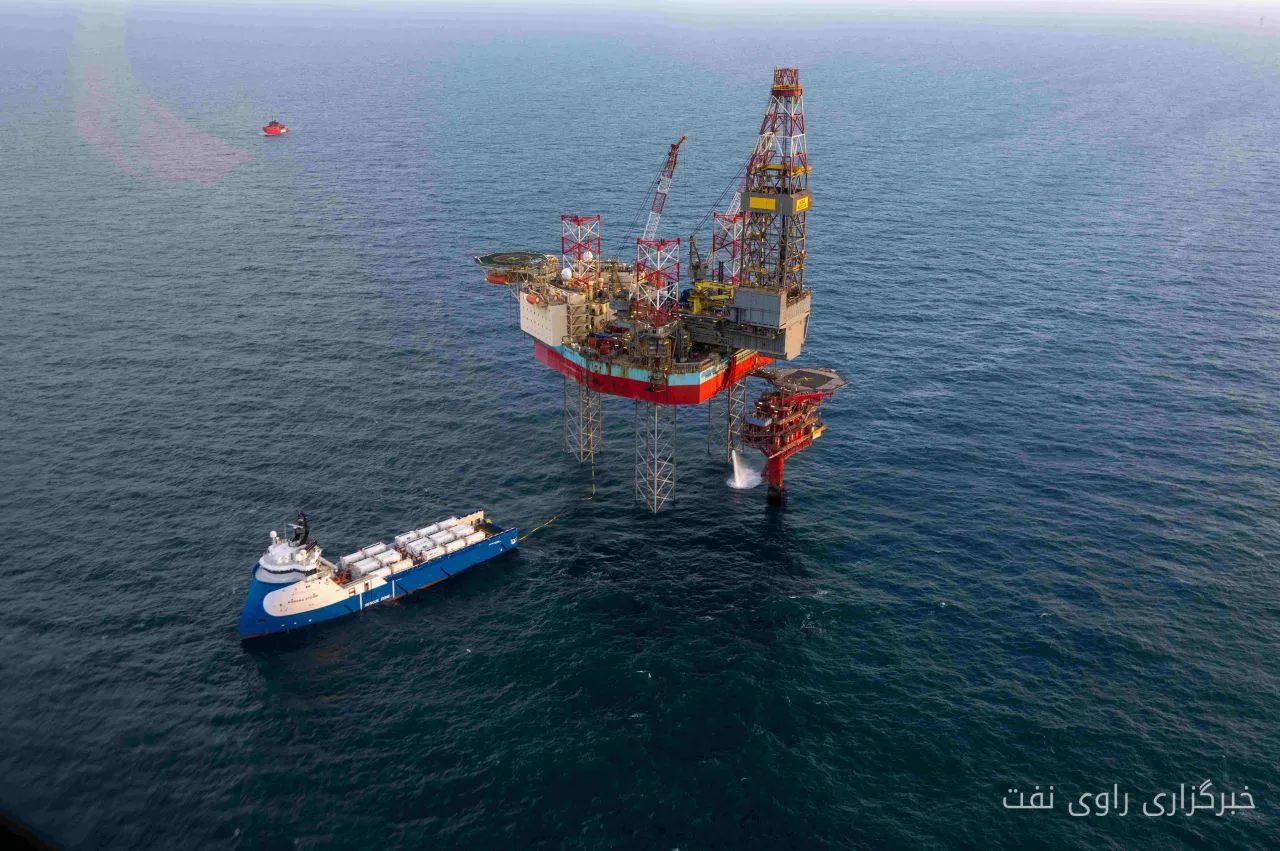
INEOS Energy has started its commercial activities at the CO₂ storage facility named Greensand on the shores of Denmark. This project has been introduced as the first permanent CO₂ storage site in the European Union, with an initial commercial capacity of 400,000 tons of CO₂ per year. Additionally, this capacity can be expanded to 4 to 8 million tons per year.
Details of the Greensand Project
The Greensand project is led by INEOS Energy in collaboration with Harbour Energy and the Danish North Sea Fund (Nordsøfonden). In the first phase, CO₂ is primarily sourced from Danish biomethanation facilities. After collection, CO₂ is converted to liquid form and transported by truck to a dedicated terminal at the port of Esbjerg, then shipped to the coast by the Carbon Destroyer 1 vessel designed for this purpose.
Read more: Flawless performance of Thordon turbine bearings at Russell D. Smith power plant after 18 years
Sustainable CO₂ Storage
The CO₂ sent to the empty Nini West oil field, located about 250 kilometers off the coast of Denmark and at a depth of 1,800 meters below the seabed, is injected for permanent storage. David Bucknall, CEO of INEOS Energy, stated: "CCS (carbon capture and storage) has been defined in Europe for years with clear programs and goals. Today, Greensand is bringing the first full-scale CO₂ storage site in the European Union into operation."
INEOS has announced that the initial use of available biogenic CO₂ allows for the operationalization of the complete value chain of carbon capture, transport, and storage, while larger industrial projects are being developed. Mas Gadd, CEO of INEOS Energy Europe, also noted: "Greensand starts with biogenic CO₂, but its significance goes beyond this first step. We are ready to expand our capacity to receive CO₂ from various industries across Europe."
This facility was officially inaugurated by the King of Denmark, Frederik X, on September 18 at the port of Esbjerg. INEOS has stated that this project could ultimately provide permanent storage for greenhouse gases collected from industrial facilities across Europe.
Read more: ClassNK issued preliminary approval for ships carrying 42,000 cubic meters of CO₂ · Fighting Fire: Volunteer Heroes Risking Their Lives to Extinguish Carbon Bombs in Indonesia