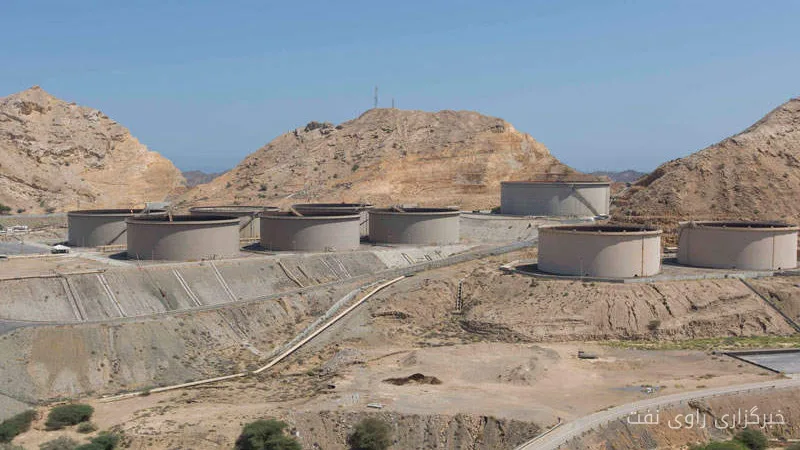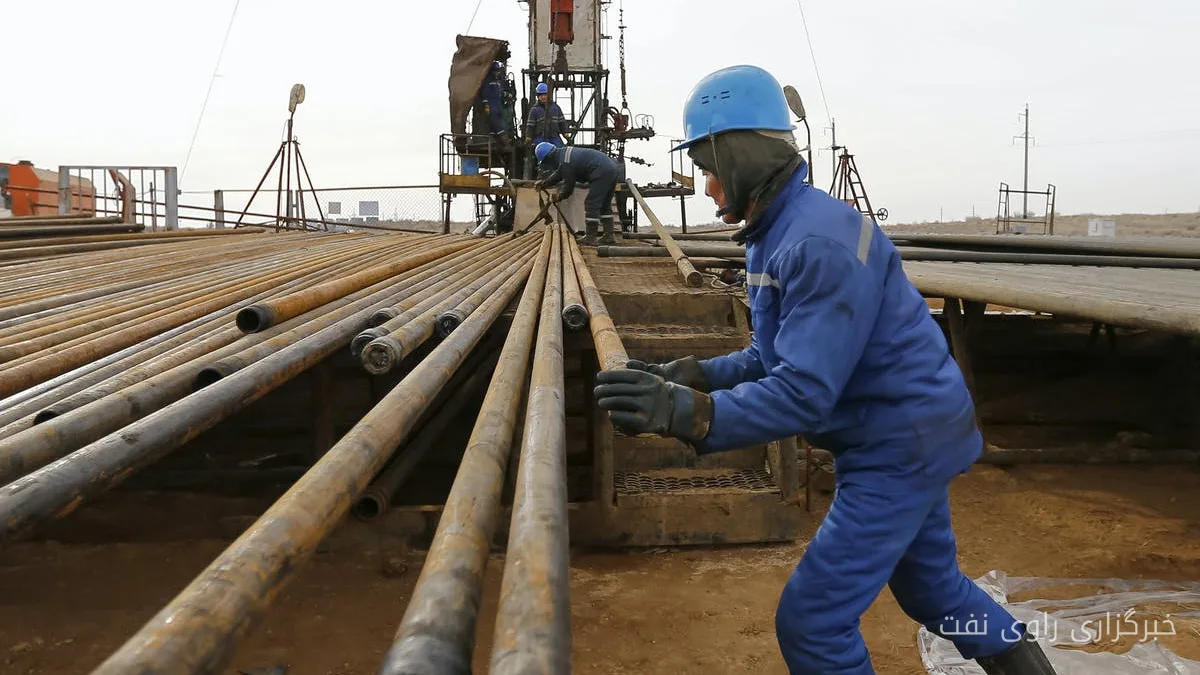
Oil prices in Tuesday's global market rose for the second consecutive day due to persistent concerns about supply disruptions in the Middle East. These concerns overshadow signs of improved crude oil exports from the region.
Reasons for the Increase in Oil Prices
Oil market analysts believe that factors such as political tensions in oil-producing countries, especially in the Middle East, and also production cuts in key oil fields have contributed to the rise in oil prices. For example, the Gachsaran oil field in Iran, one of the largest oil fields in the country, produces about 300,000 barrels of oil daily and is affected by sanctions and international restrictions.
Read more: Firefighters in Iran's Oil Fields Face Major Challenges
Impact on the Global Market
The increase in oil prices in the global market could have significant consequences for the global economy. Oil-importing countries may face rising energy costs, which could lead to increased prices for goods and services. Additionally, this situation will also impact stock and currency markets.
According to reports, Brent crude oil prices reached over $80 per barrel on Tuesday, marking the highest price level in recent months. This price increase could be due to reduced oil supply from OPEC as well as increased demand from developing countries.
Meanwhile, analysts believe that if supply disruptions continue, prices may reach even higher levels. Accordingly, it is expected that the oil market will remain influenced by these factors in the coming weeks.
Read more: Likelihood of OPEC+ Oil Production Stabilization in November · Increase in Oil Prices with Improved Middle Eastern Exports and New Stanchart Predictions