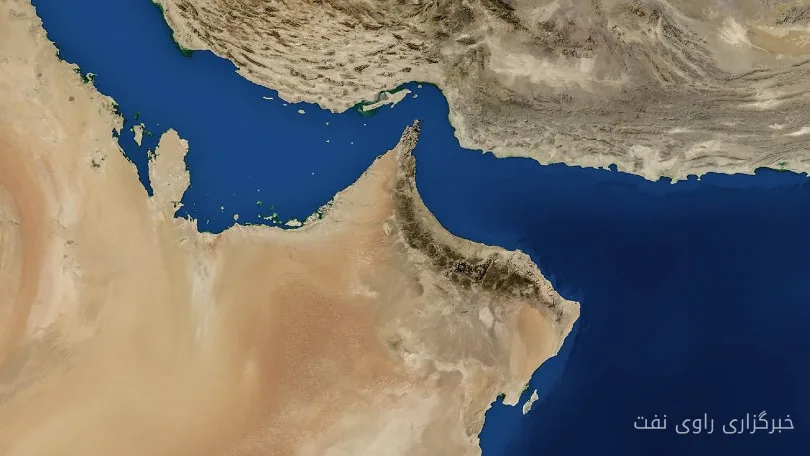
Oil prices continued their upward trend on Tuesday, reaching $85.3 per barrel. This price increase was particularly influenced by concerns over U.S. aggressive actions in southern Iran and long-term disruptions in Middle Eastern oil supply.
Impact of Political Tensions on the Oil Market
Recent developments in the Middle East have significantly affected global oil prices. In particular, the rising tensions in U.S.-Iran relations, along with concerns about the negative impacts of these tensions on oil supply, have led investors to turn towards buying oil. This situation caused a 2% increase in oil prices on Tuesday.
Read more: Hamid Bord's visit to the damaged oil depot facilities in Rey
Analysis of Supply and Demand Situation
According to statistics, the oil production capacity in the main fields of the Middle East, especially the joint fields of Iran and Iraq, faces challenges. For example, the Azadegan oil field, with a production capacity of about 300,000 barrels per day, and the Yadavaran oil field, with a capacity of 100,000 barrels per day, are affected by sanctions and political tensions. These factors could lead to a reduction in supply and consequently further price increases.
Moreover, market analysts believe that if these tensions continue, oil prices may reach higher levels. Forecasts indicate that if this trend continues, oil prices could reach $90 per barrel. This price increase will not only impact the global economy but could also affect production costs and prices in other sectors.
Read more: American consortium presents a $4.4 billion LNG terminal construction project in Pakistan · Increase in the cost of replacing Iranian oil in China's petrochemical industry