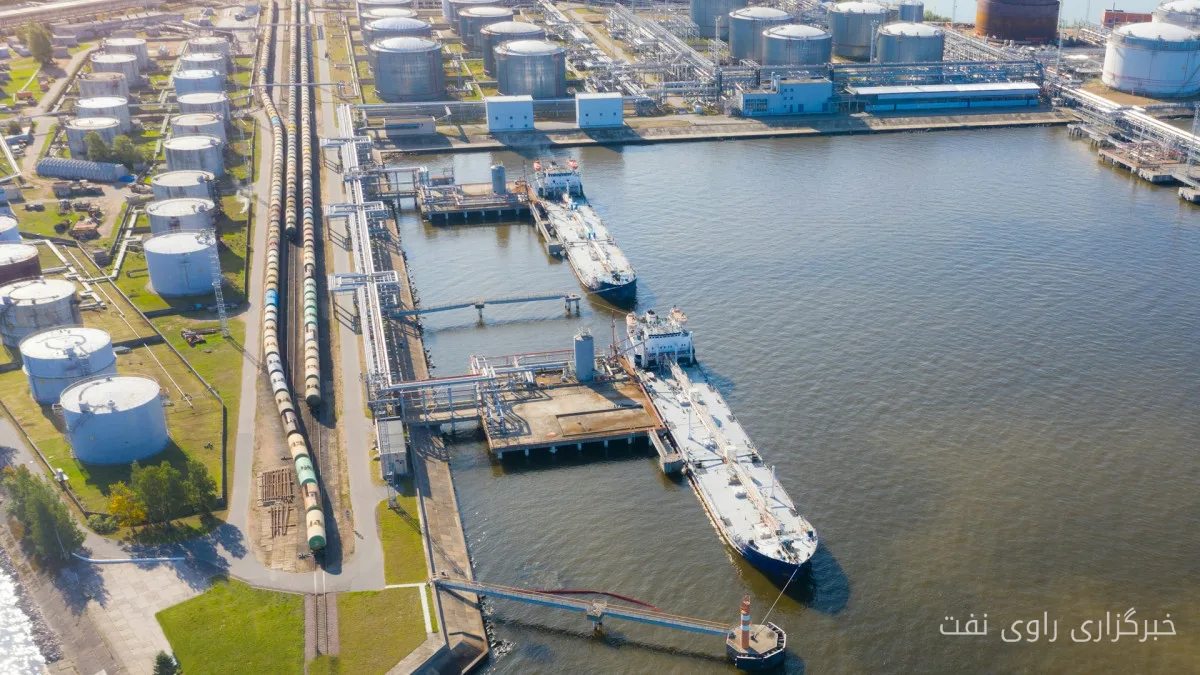
An American consortium, including Global Vision Energy Partners (GVEP) and Khanjee Holdings, has proposed a project for the construction and operation of a $4.4 billion LNG import and storage terminal in Pakistan. This proposal comes at a time when Pakistan is facing high gas import costs and disruptions in LNG flow from Qatar.
Details of the LNG Terminal Project
The project includes importing, storing, regasifying, transferring gas, and selling gas to large customers. According to local sources, the consortium has obtained the necessary permits for the proposed site from the Qasim Port authorities. Additionally, the consortium has applied for a temporary license from the Oil and Gas Regulatory Authority of Pakistan (OGRA).
Read more: Oil prices drop to around $110 as Iran and Qatar negotiations continue
To implement this project, the companies have formed a Special Purpose Vehicle (SPV), and the Government of Pakistan has supported this initiative through the Ministries of Energy and Maritime Affairs. This project is recognized as the first LNG storage facility in Pakistan and could have a significant impact on the country's gas supply during the winter season.
Background and Challenges
This proposal has recently emerged after the QatarEnergy and Lucky Group consortium halted a multi-million dollar project to establish an LNG terminal at Qasim Port. The Energas consortium attributed this decision to fundamental changes in Pakistan's energy policies and requirements, as well as unresolved financial and political issues.
Currently, Pakistan is facing an expensive winter, with only a few LNG shipments from Qatar entering the country through the Strait of Hormuz. After Qatar declared force majeure on its exports in March due to Iranian attacks on its LNG export facilities in Ras Laffan, Pakistan has been forced to turn to the spot LNG market and pay high prices for gas shipments. It is estimated that Pakistan will need to pay over one billion dollars to secure LNG during the winter months.
Replacing contractual shipments from Qatar, which are significantly cheaper than spot shipments, has become a challenge due to intense competition among Asian and European buyers, leading to increased prices.
Read more: Increased private sector participation in upstream oil activities · Increased LNG demand in Europe due to low gas reserves