The gas price for steel industries has increased to about 24900 Tomans in September 2023. This price increase comes after the gas price was stabilized at around 15000 Tomans from April to June. Steel industry activists have expressed concerns about the consequences and damages caused by the war and the economic situation of the country, calling for the stabilization of gas prices under the current conditions.
Challenges of Gas Pricing
Many steel producers believe that given the wartime conditions and the financial damages incurred, it was expected that the gas price would remain stabilized at the previous level. The question arises as to what the basis for stabilizing the gas price at that time was and what factors led to a return to the upward pricing trend?
Read more: Increase in LNG Demand in Europe Due to Low Gas Reserves
Additionally, steel industry activists have serious criticisms regarding the gas pricing formula based on four international hubs: Henry Hub in the USA, Alberta in Canada, NBP in the UK, and TTF in the Netherlands. This formula can affect the energy costs of domestic industries and weaken the competitive advantage of domestic producers.
Current Status and Future of Steel Industries
Arash Najafi, head of the Energy Commission of the Iran Chamber of Commerce, stated regarding the current gas pricing situation that the gas price is currently determined in the stock market, and it seems we are at a peak consumption time. Given the weather conditions, the government's and National Gas Company's priority is not to meet the needs of industries, and industries can only purchase gas through the stock market.
Najafi added: "If industries can purchase gas at around 24900 Tomans, this price is fair and even suitable, as higher figures for gas prices have also been mentioned." He also emphasized the importance of maintaining production capacity and preserving the country's comparative advantage in the steel industry, stressing the need for energy consumption optimization.
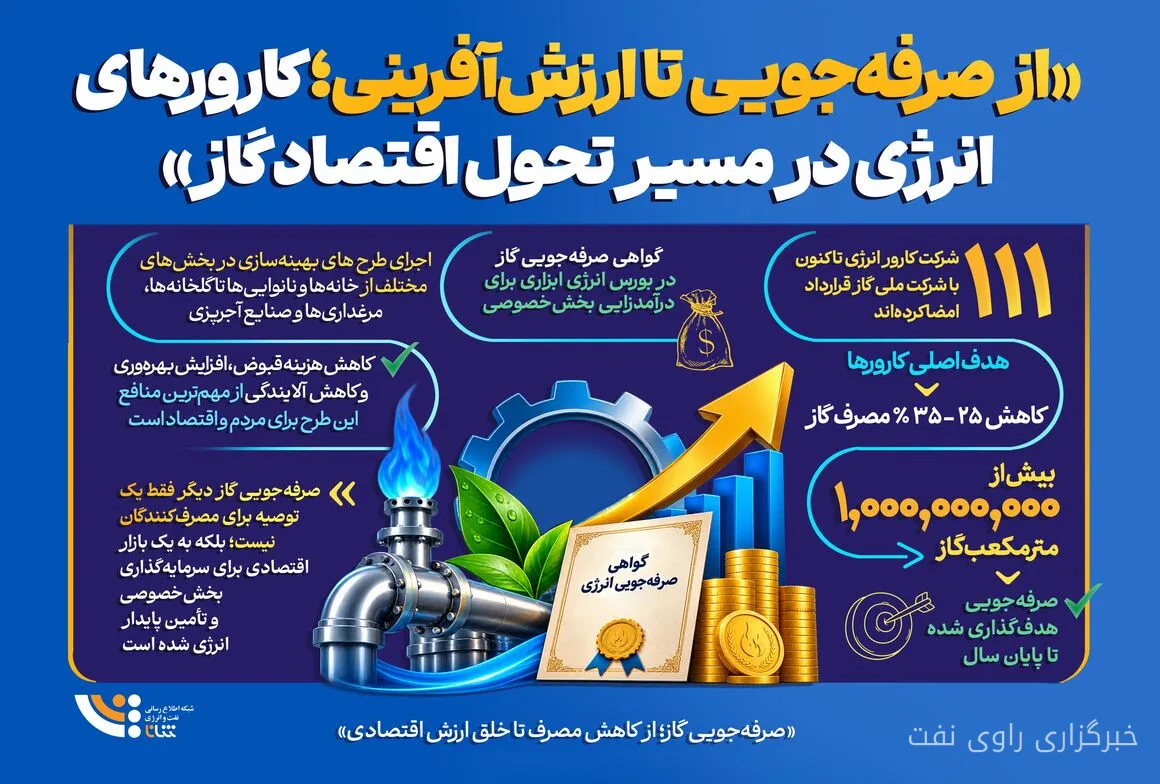
Najafi noted that by defining energy consumption optimization methods, investment in this area for industrial units, especially steel units, could be cost-effective, and the saved gas from these actions could be utilized in the production process.
Finally, he mentioned actions such as replacing heaters and reducing consumption that could facilitate the provision of saved gas to investors. These investors are mainly from the steel and petrochemical industries and can secure their gas needs through this mechanism, preventing the halt of industrial activities.