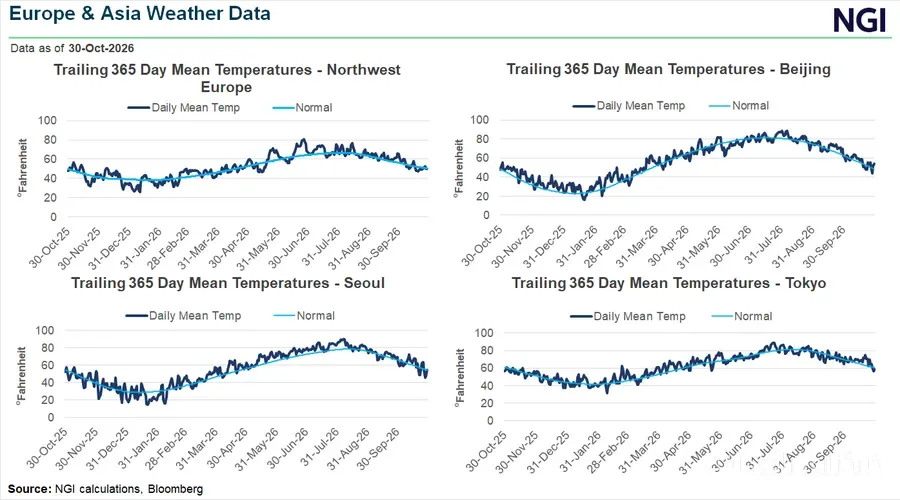
The state of natural gas reserves in Europe remains below normal levels, which benefits the U.S. liquefied natural gas (LNG) market. On Monday, slightly colder weather forecasts for Europe and East Asia helped LNG demand, but the mild start to winter in these regions has less impact on the market compared to low gas reserves.
Gas Reserve Situation in Europe
Natural gas reserves in Europe, which currently average 77 percent of their capacity, are significantly lower than the 90 percent level recorded at the same time last year. This reduction in reserves is due to increased demand in the summer and delays in gas supply from foreign sources, particularly Russia. For example, the "Yamal" gas field in Russia, recognized as one of the main sources of gas supply to Europe, has been severely affected by imposed sanctions.
Read more: Farshid Ghazemi's book on Iran's economic capacities has been published
LNG Demand and Its Consequences
The increase in LNG demand in Europe due to low gas reserves has led to rising LNG prices in global markets. Currently, LNG prices in Asia have reached $15.50 per million BTU, marking a significant increase compared to previous weeks. This price rise benefits American producers who are capitalizing on the situation. For instance, "Cheniere Energy," one of the largest LNG exporters in the United States, is planning to increase its production capacity to 5.5 million tons per year.
As a result, the LNG market conditions are significantly influenced by low gas reserves in Europe and high demand in Asia, which could lead to major changes in international trade patterns. Given these conditions, it is expected that the demand for LNG will remain high in the coming months, which will have significant impacts on prices and energy policies globally.
Read more: Increase of 2 million cubic meters in daily CNG consumption in the country · Increase in crude oil prices to $113 and $104 for American oil