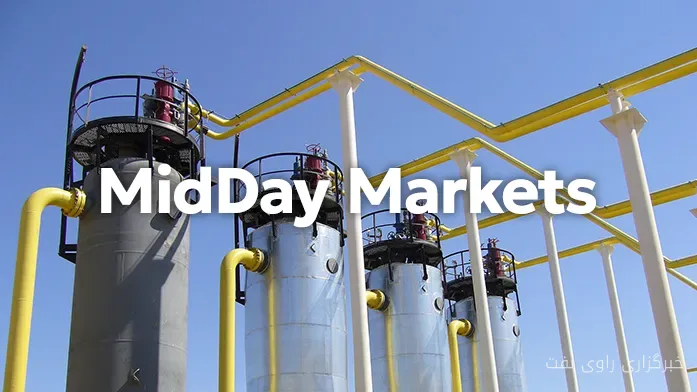
Natural gas prices in Friday's trading reached a high of $3.000 per million BTU (MMBtu). This price increase occurred due to several key factors including renewed flows of liquefied natural gas (LNG) and a decrease in domestic production.
Liquefied Natural Gas Flows and Their Impact on the Market
The increase in liquefied natural gas flows has played a significant role in improving prices. Specifically, these flows have significantly impacted the gas market and stem from the high global demand for LNG. This is particularly important as producers seek to reduce costs and optimize their production.
Read more: U.S. Oil Transactions Reached $12.6 Billion in the Third Quarter
Production and Market Outlook
Meanwhile, the downward trend in domestic production has also contributed to rising prices. It is expected that as this trend continues, prices will come under pressure in the coming days. Weather forecasts have also contributed to reduced demand in some areas, causing prices on Friday to break through a significant resistance level. However, by midday, prices returned below this level, indicating the market's sensitivity to changes in production and demand.
Overall, the current state of the natural gas market reflects a volatile period that can be influenced by various economic and weather factors. Given the increasing demand for LNG and the decrease in domestic production, price fluctuations are expected to continue in the future.
Read more: Kyiv's Attacks on Six Russian Oil Facilities in One Week · ADNOC Signed Contract to Supply 4 Million Tons of LNG for Gujarat Energy



