Recently, the Ministry of Oil has become a media focal point due to new reports regarding financial corruption in the major projects of this ministry. Some news sources have pointed to the existence of a network of individuals associated with this ministry who are exploiting large budgets in oil and gas projects.
Suspicious Projects and Unanswered Questions
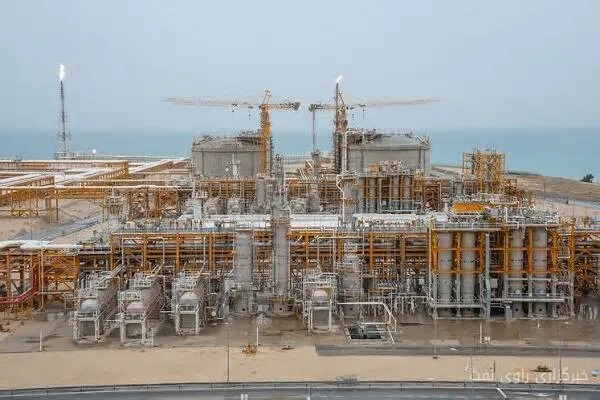
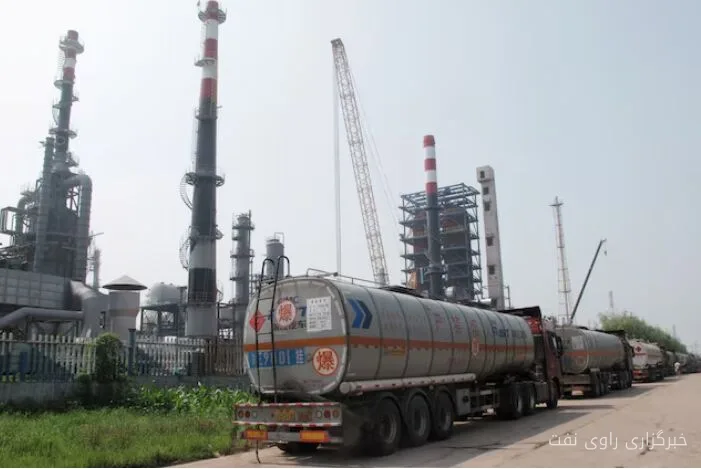
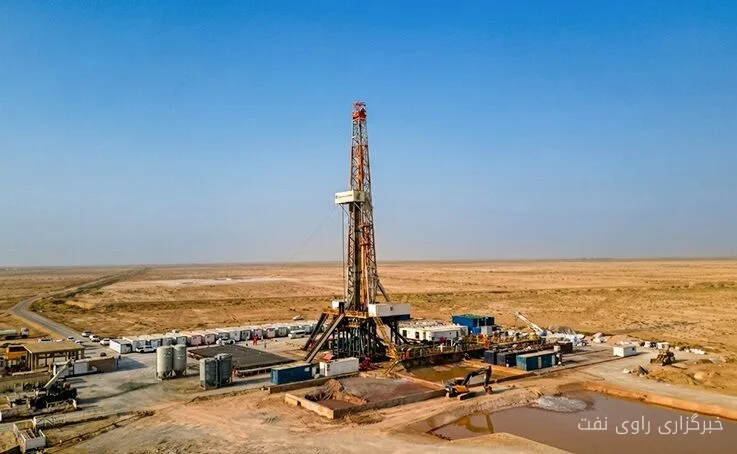
These reports have particularly focused on large oil projects that seem to be facing serious issues in their execution phases. Questions have been raised about the allocation of budgets and suspicious contracts with contractors. Were these projects merely designed as a cover for large-scale embezzlement?
Some experts believe that given the country's economic conditions, any misuse of national resources not only constitutes a betrayal of the people but will also directly impact the country's economic future. These individuals argue that serious actions must be taken swiftly to pursue and clarify these issues.
Social and Political Consequences
Financial corruption in the Ministry of Oil not only undermines public trust in this institution but could also have serious political repercussions. In a situation where the country is facing economic challenges, the exposure of such corruption could fuel social protests and increase pressure on the government.
Although the Ministry of Oil frequently claims to combat corruption, the realities show that these efforts have been insufficient and that deeper and more serious reforms are needed. Will the people see real results this time, or will they continue to wait for empty promises?
The Future of the Ministry of Oil in Uncertainty
Given the severity of these revelations, the future of the Ministry of Oil and the country's oil projects is shrouded in uncertainty. Will this institution be able to rebuild public trust and prevent the consequences of these corruptions? Or should we expect the unfortunate outcomes of this crisis?
Ultimately, what is clear is the need for greater transparency and stricter oversight of the activities of the Ministry of Oil and its related projects. This is essential not only for the preservation of national resources but also for maintaining public trust.