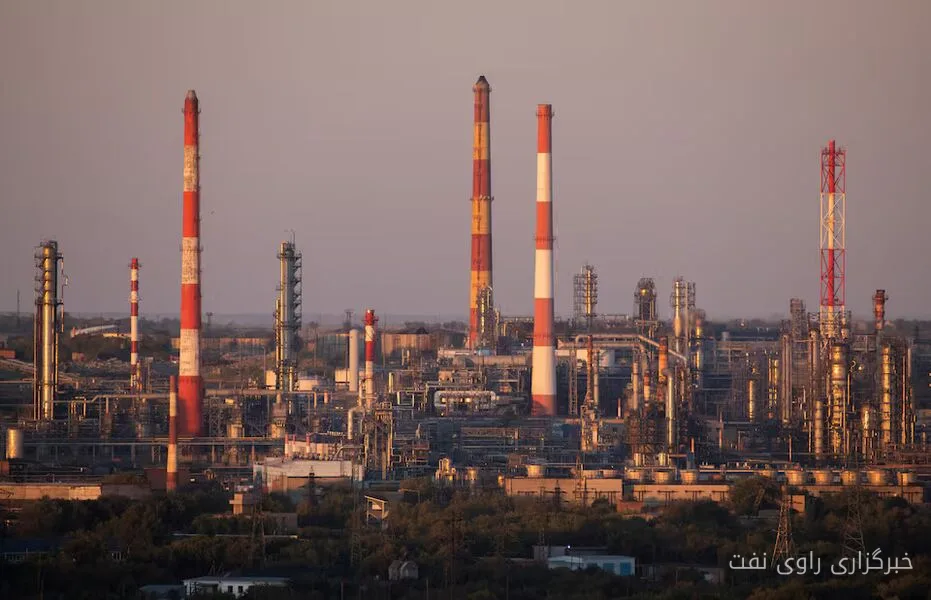
Sabic Petrochemicals, the largest petrochemical producer in Saudi Arabia, is facing serious challenges due to pressures from export restrictions and declining product prices. In the second quarter, Sabic faced a net loss of $221 million, and forecasts indicate that this loss will increase to $320 million in the third quarter.
Impact of Red Sea Disruptions on Exports
Petrochemical companies located on the western coast of Saudi Arabia, including Petro Rabigh and Yanbu, had higher utilization rates than their eastern competitors in the second quarter of 2023 due to supply constraints and rising product prices. These companies were able to continue maritime exports via the Red Sea route. In contrast, companies like Sabic, Sipchem, and Saudi Kayan faced more difficulties in transporting products as the Strait of Hormuz posed challenges due to traffic restrictions.
Read more: Continued Decline in Natural Gas Prices in Global Markets
Now, new disruptions in the southern Red Sea could change the export equations. Efforts to limit vessel traffic from the Bab el-Mandeb Strait have also put the export routes of western coast companies at risk. Anup Fernandes, Vice President of Research at Bahrain's Sequoia Bank, believes that the profits of western coast companies, which peaked in the second quarter, will decline in the third quarter due to rising feedstock prices, falling product prices, and Red Sea disruptions.
Challenges for Sabic and Alternative Solutions
Eastern coast companies in Saudi Arabia could benefit from improved access to feedstock and greater use of land transportation to bypass the Strait of Hormuz. However, the decline in product prices indicates an increase in supply in the third quarter, and the global petrochemical market continues to face an oversupply compared to demand.
Sabic's product portfolio clearly highlights the importance of transportation routes. About 70% of the company's petrochemical product volume consists of polymers, which can be transported by land. However, the remaining 30%, which includes liquid products, requires maritime transport. In the second quarter, Sabic increased its polymer shipments to western coast ports by 150% compared to the first quarter. However, continuing this trend is uncertain due to escalating disruptions in the Red Sea.
Alex Stephanou, Head of Equity Research at UBS, states that passing through the Suez Canal is economically and logistically challenging, and this route could add two to three weeks to the shipping time for deliveries to Asian customers. If the Bab el-Mandeb and Hormuz Straits remain practically unusable for Sabic, pressure on the supply chain could force the company to reduce the operating rates of its production units, while feedstock costs are also rising.
Ultimately, the state of the petrochemical industry in Saudi Arabia is not limited to export routes. Global oversupply remains one of the main factors driving down product prices and reducing profit margins in this industry. Sabic's EBITDA margin is expected to decrease from 19% in 2024 to 15% in 2025, and it is projected to reach around 13% in 2026.
On the other hand, the reopening of the Strait of Hormuz could have a different short-term impact on the market. The opening of the route could lead to a temporary increase in petrochemical prices due to the activation of pent-up demand and inventory restocking. Therefore, for Saudi petrochemical producers, export routes, product prices, and feedstock costs are simultaneously intertwined as determining factors for financial performance in the second half of the year.
Read more: ConocoPhillips Signs Long-Term Supply Agreement with Venture Global · Deputy Oil Minister Visits Reconstruction Process of Damaged Petrochemicals