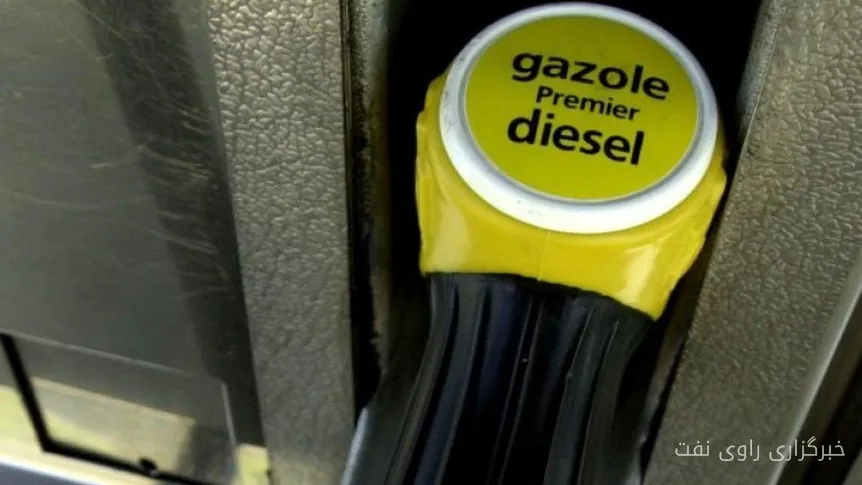
Europe will release 42 million barrels of emergency oil reserves over the next three months. This announcement was made by Roland Lescure, the French Minister of Economy, on October 29, 2023. The aim of this action is to reduce fuel prices before the winter season.
Details of the Release and Diesel Volume
Of the total 42 million barrels, half of it, that is 21 million barrels, is allocated for diesel. Lescure emphasized that France's share of this amount will be 10 million barrels, and this fuel will be supplied to the market in the coming days. The supply of this diesel will be at cost price, meaning that the seller will not profit from this sale. The French minister has predicted that prices will decrease by 12 to 18 cents per liter and expects that prices will respond to these changes starting next week.
Read more: Kyushu Electric's Energy Supply Contract with Canadian LNG
Market Analysis and Refinery Policies
Oil supply in Europe averages about 460,000 barrels per day, of which 230,000 barrels are allocated for diesel. This action is part of the October agreement of the Group of Seven, which addresses the release of up to 100 million barrels of crude oil and fuel over four months. Additionally, this action aligns with the release of 400 million barrels coordinated by the International Energy Agency.
Diesel is in focus due to its high consumption in Europe, especially as refineries in the Middle East have been damaged and Russian exports are also limited. This situation has caused diesel futures contracts to exceed $200 per barrel in September. However, the increase in crude oil shipments from the Gulf has not yet led to a significant improvement in the supply of refined fuel.
European policymakers are reviewing their refinery strategy. Over the past two decades, the continent's main policy has been the closure of refineries. Dan Jørgensen, the European Union Energy Commissioner, called these closures a mistake at the energy ministers' meeting in Luxembourg, and one of the proposals made was to simplify technical requirements to increase production at the remaining refineries.
This release of reserves occurs as industry managers warned earlier in October that global oil reserves have declined to a level where another major disruption could sharply increase prices. Therefore, despite the release of diesel, domestic refining capacity will not be sufficient to meet demand, and Europe will remain dependent on imported fuel.
Read more: Dangote Petrochemicals is Attracting Investment with an Initial Public Offering · Increased Demand for American LNG Affects Natural Gas Supply in the South