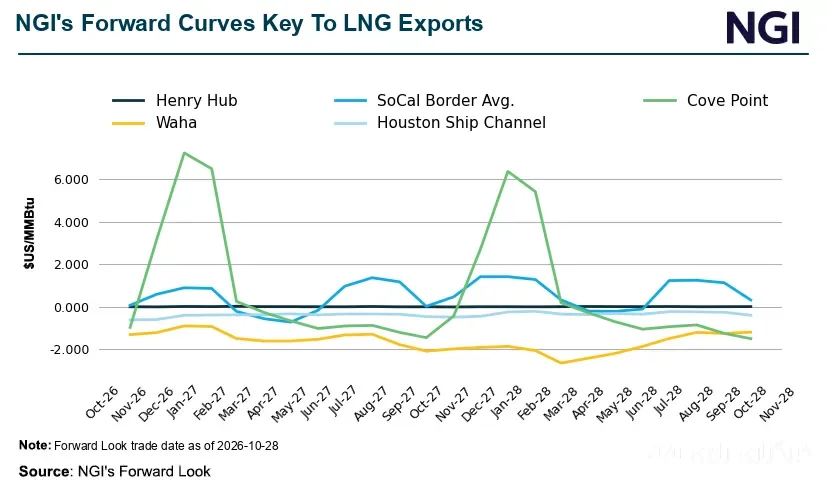
The increase in demand for liquefied natural gas (LNG) from the United States and the rising need for incoming gas are contributing to higher prices in parts of the southern United States. Meanwhile, price reductions are being observed in many other parts of the country during the low-demand season. These changes are expected to have significant impacts on the energy market and the economies of various regions.
Current State of the LNG Market
Currently, the global market for LNG is facing increased demand driven by the need for sustainable energy supply and reduced reliance on fossil fuels in various countries. The United States, as one of the largest LNG producers in the world, plays a key role in meeting these needs. This rising demand, especially in the southern regions of the United States, has led to increased future prices in these areas.
Read more: Oil prices drop amid strengthened hopes for peace talks
Impact on Prices and Supply
Given the increased demand for natural gas, prices are rising, which could significantly impact related industries and consumers. While prices typically decrease during the low-demand season, the rising demand for LNG is reversing this trend in some southern regions of the United States. This increase in prices may mean changes in the planning of natural gas production and distribution.
Overall, these changes in the LNG and natural gas markets indicate the need for more accurate forecasting and planning by producers and consumers. Given the current conditions, it is essential for relevant energy industry entities to closely monitor the market situation and plan to respond to changing needs.
Read more: Sinopec's third-quarter profit increased by 64% · Sharp decline in soybean feed prices in Brazil after presidential elections