The United States Environmental Protection Agency (EPA) has announced the second draft of methane regulation reforms for new and existing oil and gas operations. This proposal addresses the revision of several provisions of the Clean Air Act, known as OOOOb and OOOOc, which were approved in 2023. According to the Western Energy Alliance, these regulations include requirements related to smaller and low-producing wells, which account for about 10 percent of U.S. oil and gas production.
Impacts on Small Wells
This announcement follows statements released by the Independent Petroleum Association of America (IPAA) earlier this week regarding the reforms. According to the American Exploration and Production Council (AXPC), the second phase addresses outstanding issues that they and API raised in their 2024 petitions for reconsideration. These issues include definitions for storage tank reforms, standards for covers and closed vent systems, testing methods for control devices, alternative technologies for detecting fugitive gases, and super-emitter programs.
Attention to Marginal Wells
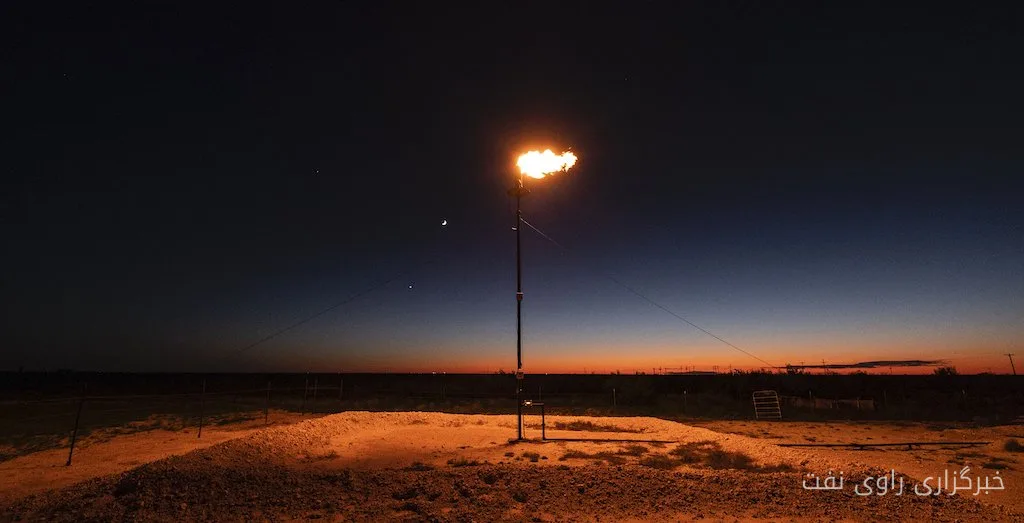
In the first phase, which concluded earlier this year, the EPA revised requirements for the temporary flaring of associated gas during emergencies and changed monitoring and testing requirements for control devices. The agency indicated earlier this month that further reforms are on the way. It believes that the new reforms could improve operational conditions for smaller and marginal wells, which collectively provide a significant share of U.S. oil and gas production.
AXPC CEO Anne Bradbury appreciated the actions of Director Lee Zeldin and the EPA to improve the OOOOb/c requirements, which she stated are technically unfeasible and logistically unreasonable. She expressed that this proposal is "an important step towards a workable regulatory framework."
Melissa Simpson, president of the Western Energy Alliance, stated that federal regulations should reflect regional differences and the role of marginal wells. She added, "These regulations should also pay attention to marginal wells that may be individually small but collectively provide a significant share of American production." According to IPAA statistics, marginal wells account for over 75 percent of U.S. producing wells.