Consumer confidence in the Eurozone reached -16.5 in September 2026, a significant drop from its six-month high of -15.5 in August 2026. This decline halted the recent four-month improvement and clearly reflects the impacts of rising energy costs related to Middle Eastern conflicts.
Analysis of Economic Conditions
The drop in consumer confidence has raised alarming concerns regarding household financial situations and economic expectations. All four main components of this survey, including assessments of past and future household financial situations, expectations for the domestic economic outlook, and intentions to make major purchases, have faced declines. This trend has also been evident across the European Union, with the consumer confidence index for the region falling from -15.0 in August to -15.8 in September 2026.
Read more: Decline in the Baltic Dry Freight Index to Its Lowest Level in Four Weeks
Factors Influencing the Decline in Confidence
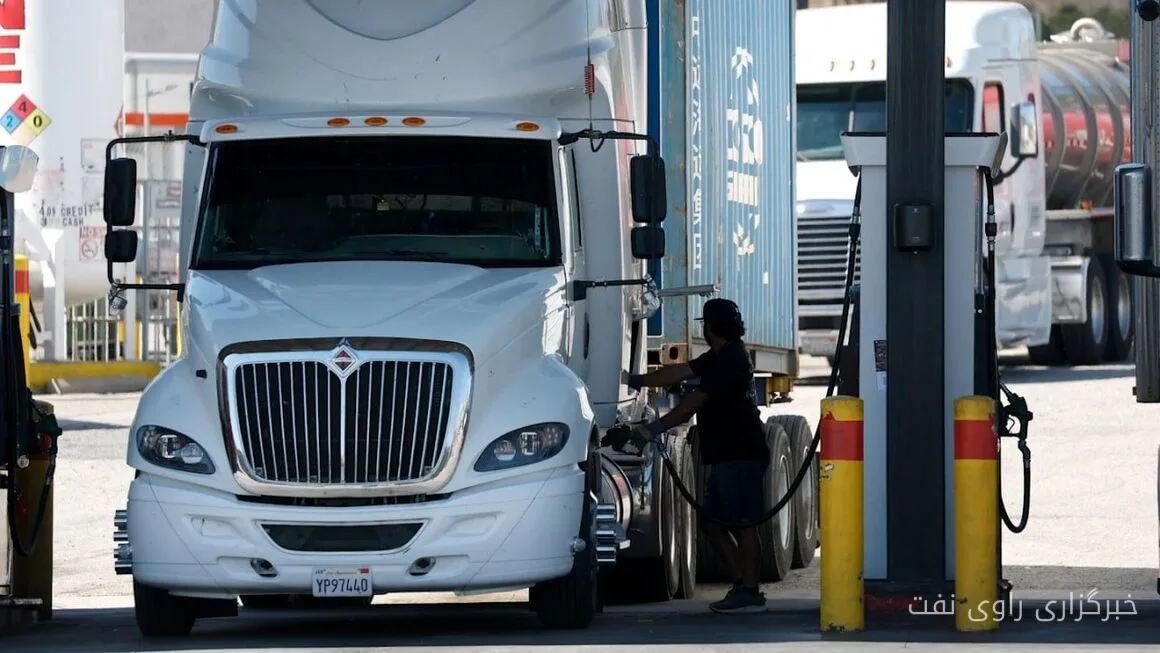
Rising energy costs are recognized as one of the main factors behind the decline in consumer confidence. While global energy prices are influenced by political and economic developments, this has raised growing concerns about inflation and interest rate outlooks. Additionally, concerns about the economic impacts of ongoing conflicts in the Middle East have also affected the economic situation in the Eurozone.
Overall, the results of this survey reflect the challenges facing the Eurozone economy and the need for appropriate economic measures to bolster consumer confidence. This trend appears likely to continue in the short term unless effective actions are taken to control energy costs and reduce inflation.
Read more: Panama Canal Announces Increase in Daily Transits · Mohammed bin Zayed and the UAE's Developments on the Global Stage