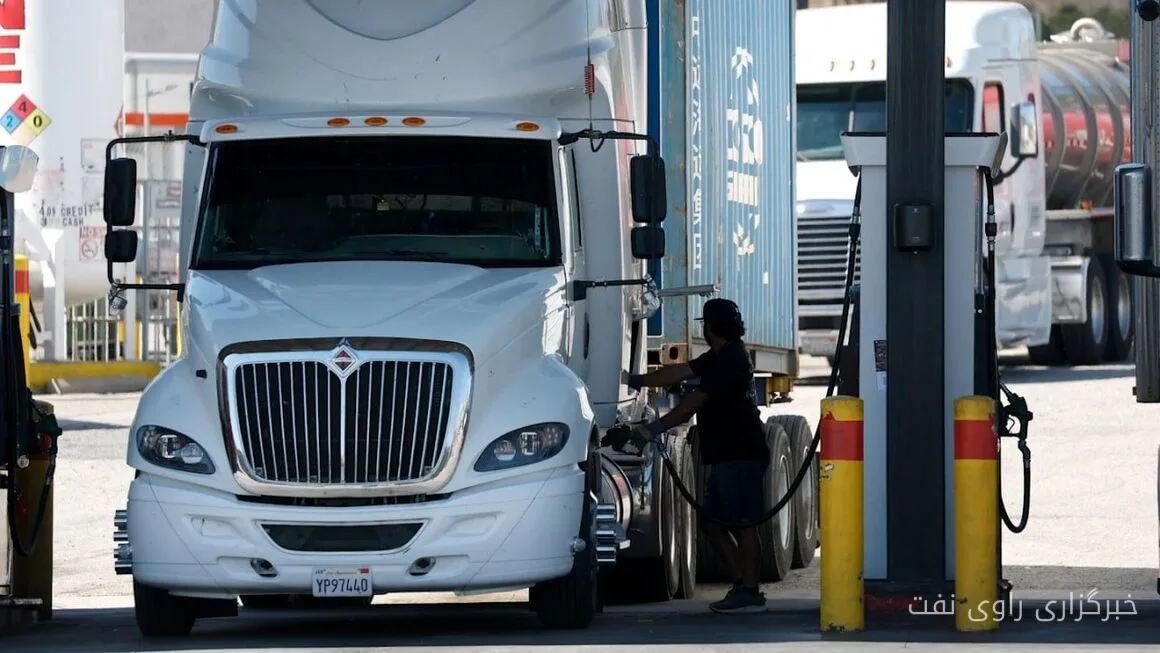
Saudi Arabia and Greece emphasized the importance of securing energy transport routes and its effects on supply and market stability during their recent negotiations. Greece appreciated Saudi Arabia's efforts to maintain global oil markets and secure resources through alternative export routes, including the East-West pipeline.
Expansion of Economic Relations
The two countries announced that the volume of bilateral trade will reach approximately $1.7 billion by 2025, an increase compared to 2021. In this context, they called for strengthening investment relations in the fields of infrastructure, construction, energy, logistics, and technology. These negotiations were based on the Strategic Partnership Council announced during the Saudi Crown Prince's visit to Greece in July 2022.
Energy Priorities and Joint Projects
Among the energy priorities, the two countries committed to accelerating work on the electricity interconnection between Saudi Arabia and Greece. This project is designed to facilitate electricity exchange, improve network reliability, and strengthen energy ties between Saudi Arabia and Europe through Greece. They also explored opportunities for exporting clean hydrogen from Saudi Arabia to Greece and other EU markets, emphasizing the expansion of investment in conventional and renewable energy and petrochemicals.
In addition to energy, the two countries welcomed progress on the EMC submarine cable project, designed to enhance digital connectivity between East and West. Saudi Arabia invited Greek companies to establish a regional headquarters in the Kingdom and pursue opportunities related to major projects, including the Riyadh 2030 exhibition and the 2034 World Cup. Greece, for its part, called for Saudi investment in energy, transportation, logistics, digital infrastructure, and advanced technologies.
The two countries also emphasized the need for closer cooperation in defense and security, exchanging experiences and training in combating crime, terrorism, and terrorist financing. They also called for collaboration in cybersecurity and information exchange. In climate policies, both parties adhered to the principles of the United Nations Framework Convention on Climate Change and the Paris Agreement and supported cooperation in the circular carbon economy.
This statement also referred to other areas of cooperation, including artificial intelligence, space technology, health, education, culture, tourism, and sports.