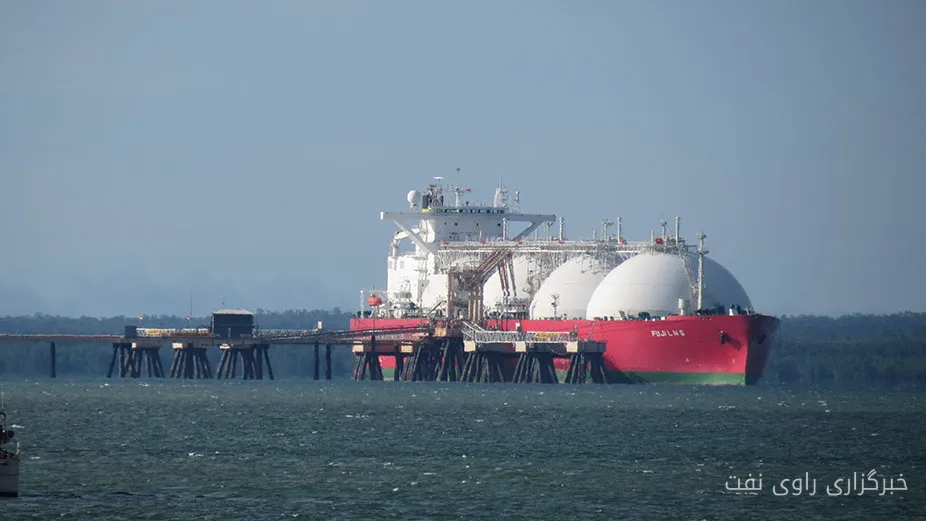
Africa, as the main destination for energy buyers after the Strait of Hormuz, is becoming one of the new centers for liquefied natural gas (LNG) exports. According to forecasts, the hydrocarbon production capacity of this continent will increase to 12.5 million barrels of oil equivalent per day by 2030.
Investment in Major Projects
It is expected that the upstream energy sector in Africa will attract $40 billion in investment annually. Mozambique, Nigeria, Angola, Libya, and Ivory Coast will have the largest share of this investment. New projects in Uganda, Kenya, and Namibia will also contribute to expanding the production base.
Read more: Iran's Refinery and Distribution Employees Await War Bonus Payment
Growth of LNG Exports in Africa
Analyses show that LNG exports in Africa will increase by nearly 175% by 2034, reaching 98 billion cubic meters. Meanwhile, the continent's exports are estimated to be only 35.7 billion cubic meters in 2024. The growing demand for natural gas in Africa will also play a significant role in infrastructure development, with this demand expected to grow by 60% by 2050.
As one of the key points in this trend, Mozambique has implemented major projects in the Rovuma Basin on the shores of Cabo Delgado. The Mozambique LNG project, valued at $20 billion, is currently 45% complete and under construction. Additionally, the FLNG project by Eni, valued at $7.2 billion, is under development.
Nigeria is also striving to become a gas-based economy with its "Decade of Gas" program. New developments in the country will help increase Nigeria's LNG capacity to 30 million tons per year by 2027. Furthermore, 20-year gas supply agreements worth 1.29 billion cubic feet per day for LNG exports have been signed.
Moreover, major projects in Africa's deep water sector, including the large Tortue Ahmeyim project shared between Senegal and Mauritania, are rapidly transitioning from exploratory areas to operational hubs. This project is set to begin commercial operations in April 2025, with a first phase capacity of 2.5 million tons per year.
Read more: Setting Records for Replacing Valves in Qom's Gas Network by Ali Goudarzi · Increase in U.S. Liquefied Natural Gas Demand Driven by Improved Freeport LNG Activities