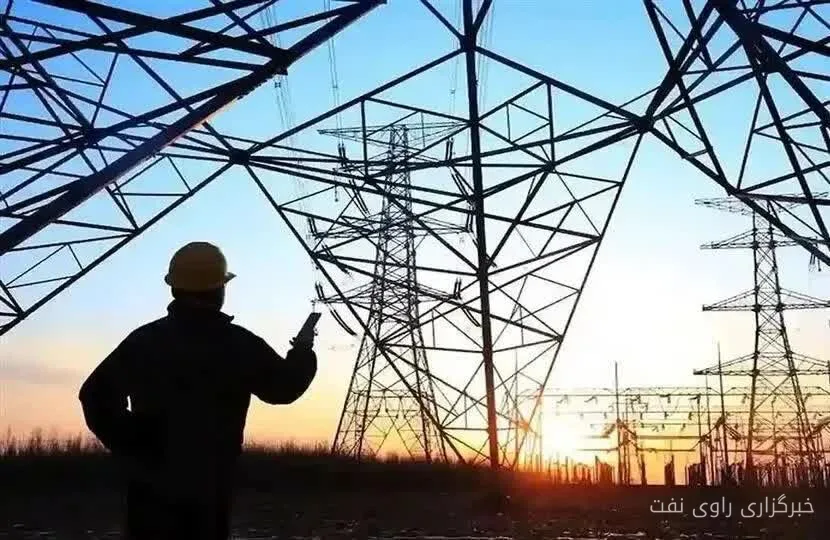
As one of the largest holders of oil and gas reserves in the world, Iran has faced serious challenges in the energy sector, particularly in electricity, in recent years. These challenges are due to sanctions and a lack of investment in the development and modernization of power plants and transmission and distribution networks, leading to an imbalance in energy supply and demand.
Power Shortages and Their Consequences
The imbalance in electricity manifests itself in reduced production hours, shift changes, or even temporary shutdowns of factories. This issue is particularly severe for energy-intensive industries such as steel, aluminum, and petrochemicals. Power outages or restrictions can cause furnaces to stop and damage equipment. In fact, uncertainty in electricity supply can affect new investments and lead to reduced industrial production and employment.
Read more: 0.7% Increase in Wholesale Inventories in the United States
Infrastructure and Economic Challenges
Analyses show that the gap between existing capacity and the actual needs of the economy during peak consumption periods has reached a level that cannot be considered a temporary issue. While the nominal capacity of power plants may seem high, practical limitations such as aging, lack of maintenance, and network problems reduce the actual efficiency of these plants. Therefore, for investors, reliable electricity at the point of consumption is more important than nominal capacity.
Given the rapid changes in the global economy and the need for stable and cheap electricity for new industries, Iran must focus on developing energy infrastructure and improving the efficiency of its power plants. Otherwise, it will lose its position in industrial competition and will not be able to leverage the potential advantages of its vast energy resources.
Ultimately, the country's electricity policies must simultaneously address three issues: production, transmission, and distribution, in order to capitalize on its energy advantages and enhance industrial competitiveness.
Read more: Increase in Crude Steel Production in the European Union Requires Supply of 11 Million Tons of Steel Scrap · A.P. Moller Capital Agrees to Purchase Majority Stake in Euroports Group



