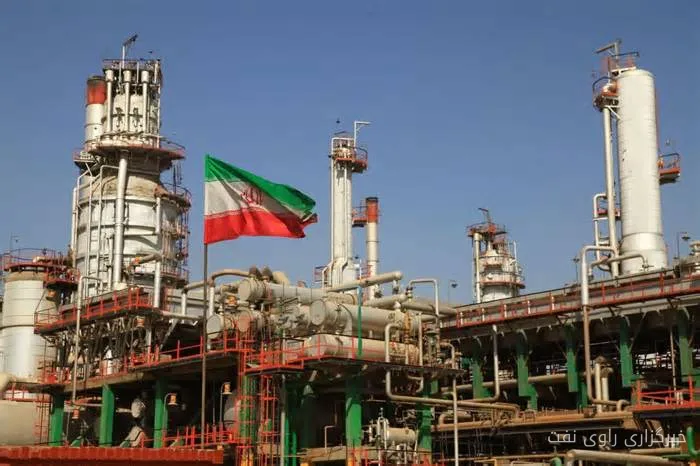
The operations manager of Tehran Oil Refinery announced details of the plan to supply water from treated municipal wastewater, stating that this plan will contribute to a 1.5% reduction in total water consumption in Tehran. This action is considered an innovative solution for water resource management and environmental preservation under the current conditions of the country.
Details of the Treated Wastewater Supply Plan
This plan is being implemented to utilize treated wastewater as an alternative source for the water needs of the refinery. Upon completion of this project, it is expected that approximately 100,000 cubic meters of water will be supplied annually from treated wastewater. This amount is equivalent to 1.5% of Tehran's water consumption and will help reduce pressure on the city's water resources.
Environmental and Economic Benefits
Using treated wastewater as a water source will not only reduce the consumption of fresh water but also improve the quality of groundwater and reduce environmental pollution. This action will lead to lower water supply costs and help preserve water resources for domestic and industrial uses. Given the water crisis in the country, this plan could serve as a successful model in other industries as well.
Tehran Oil Refinery, with a daily production capacity of 250,000 barrels of crude oil, plays a significant role in supplying fuel and petroleum products as one of the largest refineries in the country. By implementing this plan, the refinery is taking steps in line with its social responsibilities and towards sustainable development and the preservation of natural resources.