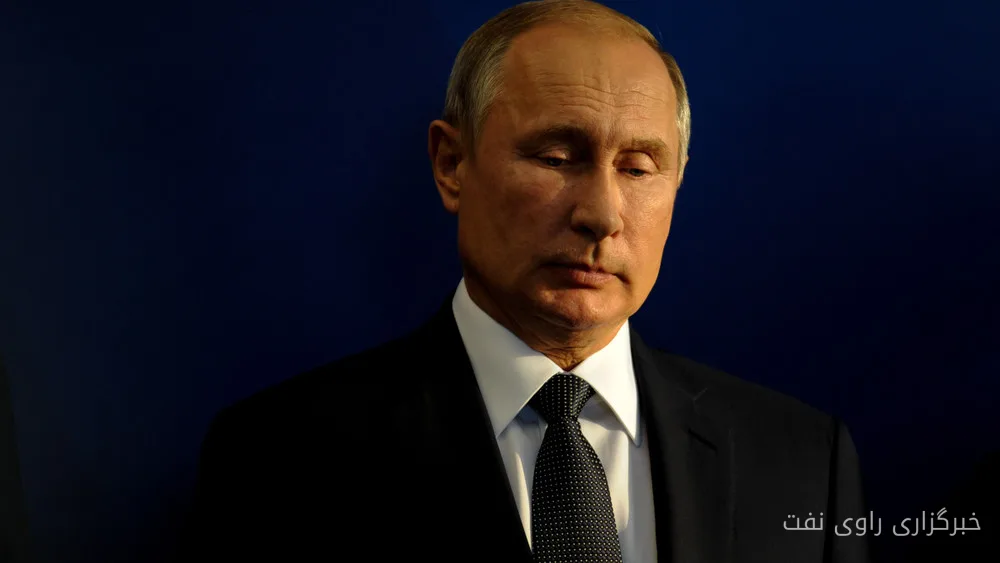
Vladimir Putin, the President of Russia, emphasized the importance of this institution at the recent Commonwealth of Independent States (CIS) summit held in Avaza, marking the 35th anniversary of the establishment of this organization in the region. Despite the long history of CIS inactivity, he referred to it as an influential regional integration association.
Cultural and Historical Challenges
In his speech, Putin expressed his concerns about the loss of Russia's cultural influence in Central Asia and the South Caucasus. He emphasized that the CIS has allowed member countries to maintain their social, cultural, and human connections. Putin also described the Russian language as a unifying force in the region.
The Russian language is under increasing pressure in Central Asia. While it still remains the primary means of international communication in trade and diplomacy, English is on the rise. Many young people in major cities like Almaty, Astana, and Tashkent are more inclined towards English and their local languages.
Legal and Historical Changes
Central Asian governments are also strengthening laws to reduce the influence of the Russian language. For example, Kazakhstan's new constitution has downgraded the status of the Russian language. On the other hand, Uzbekistan has updated its Latin alphabet, although Cyrillic is still in use. Kazakhstan is also moving towards Latinizing its alphabet.
Developments related to the reduction of Russia's cultural influence have also extended to the interpretation of history. Soviet historiography often described Russia's political, cultural, and economic influence in Central Asia as a 'modernizing' force. However, the current revisionist trend views Moscow's legacy as repressive rather than beneficial.
This shift in attitude is underscored by the establishment of a state museum in Uzbekistan dedicated to the victims of repression during the Tsarist and Soviet eras. Kazakhstan and other Central Asian countries have also reduced celebrations commemorating the Red Army's victory over Nazi Germany in 1945.
In this context, one of the significant documents signed at the end of the Avaza summit has titled its goal as 'preserving historical memory.' This document specifically recalls the victory of the Soviet nations in the Great Patriotic War of 1941-1945. It seems that such documentation could help the Kremlin strengthen Russia's cultural influence in Central Asia.
Read more: The Ukrainian government is moving towards early elections at Trump's request · Vladimir Putin does not supply Russian diesel to global markets