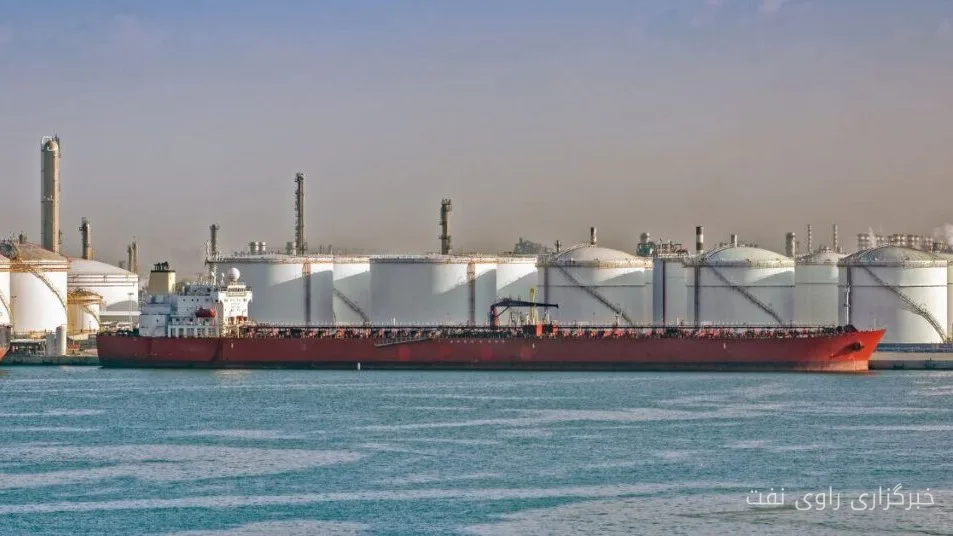
Venezuela's oil exports in September 2023 reached 1.08 million barrels per day, reflecting a nearly 9% decrease compared to the previous month. Rising transportation costs and pressure from traders for more discounts are among the main factors contributing to this decline.
Factors Influencing Oil Exports
Global trading companies such as Vitol and Trafigura have pressured Venezuela's state oil company (PDVSA) to provide better conditions for oil sales. High transportation costs have reduced profit margins, and rerouting of ships has added delays to oil loading. While overall exports have decreased, the United States continues to purchase Venezuelan oil, with exports to the U.S. rising from 553,000 barrels per day in August to 629,000 barrels per day in September.
Read more: Russia's Diesel and Gasoline Exports from the Black Sea Have Reached Zero
Impact on Global Markets and Future Production
Oil trade to other countries has also been affected. Exports to India decreased from 297,000 barrels per day to 253,000 barrels per day, and purchases from Europe dropped to 86,000 barrels per day from 260,000 barrels per day. Chevron continues its operations, maintaining export volumes at around 283,000 barrels per day.
According to statistics provided to the Organization of the Petroleum Exporting Countries (OPEC), Venezuela's oil production in August was about 1.2 million barrels per day. However, crude oil inventories at the Jose export terminal only slightly decreased in September and remain at high levels.
Meanwhile, over 250 companies have traveled to Caracas to discuss the next phase of Venezuela's oil development. Chevron has committed to investing more than $7 billion over the next five years, aiming to more than double its production in Venezuela to around 600,000 barrels per day. Additionally, companies like Eni, GeoPark, and Continental Resources are seeking new projects or expanding their existing projects in the country.
According to estimates from Rystad Energy, Venezuela's oil production could reach 1.6 million barrels per day by 2028 and 1.8 million barrels per day by 2030. However, achieving this goal requires more equipment. In August, Venezuela had only two active drilling rigs, while Rystad estimates that about 50 drilling rigs will be needed by 2028 and nearly 80 rigs by 2030 to support this production trajectory.
The oil export system is also facing challenges. Traders are demanding more discounts due to rising transportation costs, and congestion at ports has caused delays in loading shipments.
Read more: Further Decline in West Texas Intermediate Oil Prices Compared to Brent · Continuous Export of Iranian Crude Oil at a Capacity of 4 Million Barrels per Day