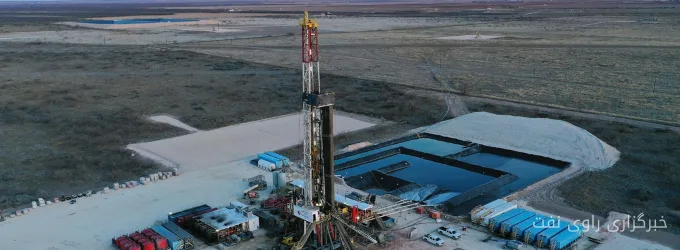
The decline in crude oil inventories in the United States by 4.930 million barrels has been published in a new report by the American Petroleum Institute (API). This decrease occurred while forecasts expected a larger decline of 1.300 million barrels for this period. This discrepancy in figures indicates changes in market dynamics and potentially shifts in oil demand in the United States.
Analysis of Crude Oil Inventory Status
The actual decline in crude oil inventories, although significant, appears smaller compared to the previous substantial decline of 11.120 million barrels last week. This difference between current and previous figures may signal changes in oil demand. Typically, a larger-than-expected decline in inventories indicates stronger demand and potentially upward trends in crude oil prices. However, a decline less than expected may suggest a less robust demand environment, which could exert downward pressure on oil prices.
Read more: Mohammad Reza Aref Introduced Iran's Energy Capacities to Shanghai
Implications of Inventory Changes for the Market
The API report acts as a key indicator for market participants and provides important insights into the supply and demand dynamics of the U.S. oil sector. A larger-than-expected decline in inventories typically signifies higher demand or supply constraints, which can affect market sentiment and pricing strategies.
As market participants analyze this data, paying attention to other economic indicators and reports, such as the U.S. Energy Information Administration's (EIA) weekly oil status report, is crucial for a better understanding of crude oil supply and demand trends. This recent API report highlights the complexities of the global oil market, influenced by various factors including geopolitical events, production levels, and economic conditions. Stakeholders will closely monitor these developments and assess their impacts on future oil prices and broader economic conditions.
Read more: Saudi Arabia and Asian Refiners Dispute Over 2027 Oil Contracts · Changes in VLCC Ship Speeds in the Arabian Gulf and Their Impact on the Market