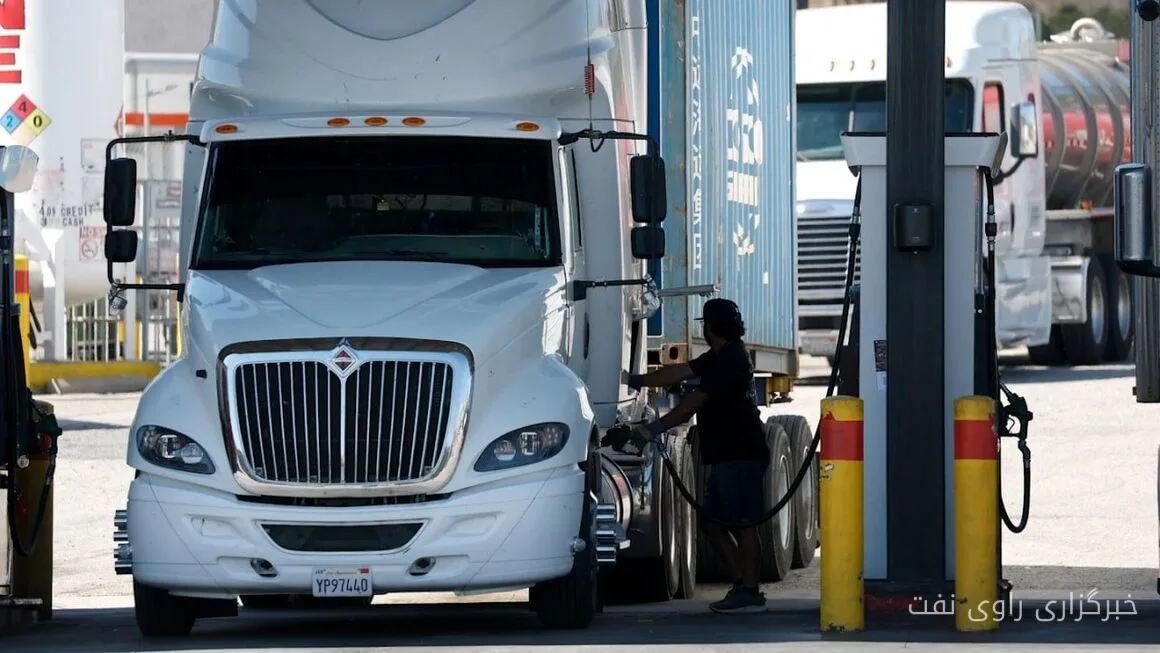
The price of diesel in Britain has reached an unprecedented record of 199.18 pence per liter. This price increase comes as the latest energy shock to the British economy, amid rising concerns about the upcoming budget.
Financial Pressures and Geopolitical Tensions
According to reports, petrol stations in Britain have set the price of diesel at 199.18 pence. This price reflects Britain's high vulnerability to global events. The price of Brent crude oil also rose above $96 per barrel after a four percent increase on Monday morning. This situation is due to uncertainty regarding peace between the United States and Iran, especially after Donald Trump rejected a proposal to reopen the Strait of Hormuz.
Read more: Decrease in Natural Gas Prices in Eastern and Persian Gulf Markets
Concerns About Economic Impact
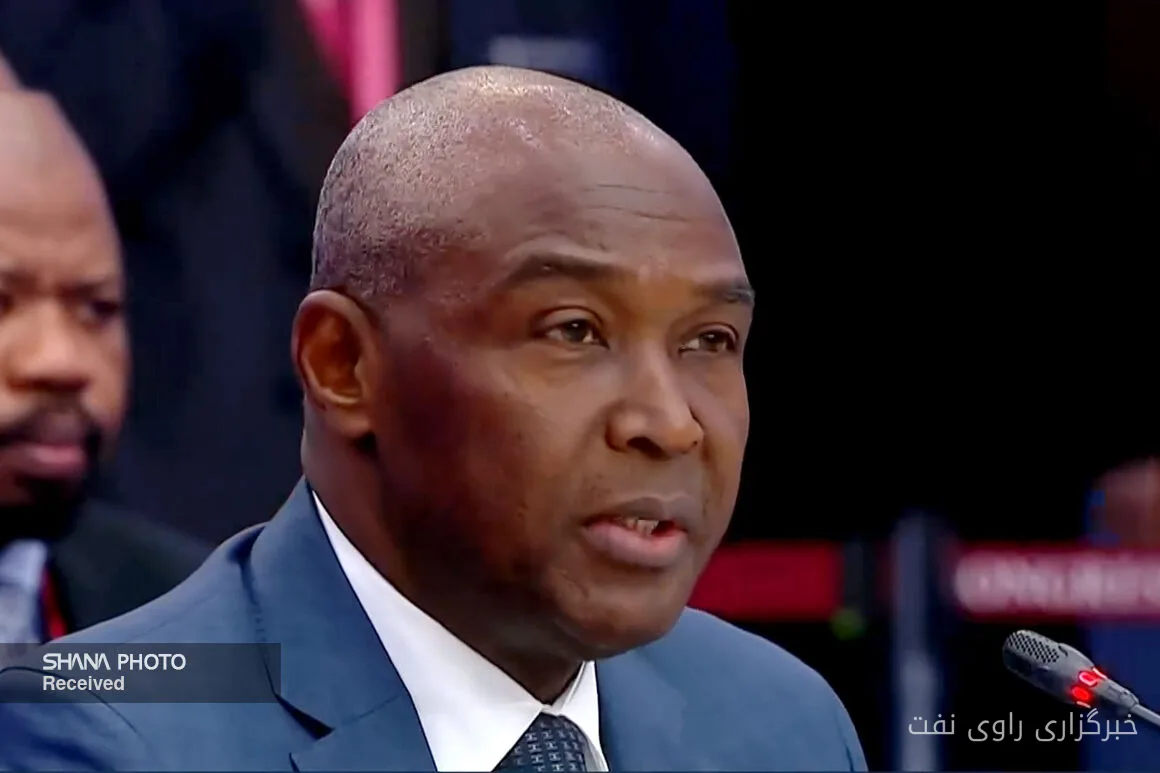
Kathleen Brooks, research director at XTB, stated that "fuel costs in Britain have now entered uncharted territory, and there are significant concerns about the economic impact and the Bank of England's response." These pressures have peaked as John Healey, the British Chancellor, began his speech at the Labour Party conference. As part of this speech, he referred to rising borrowing costs and noted that the two-year gilt yield has risen to 4.75 percent.
Additionally, the ten-year yield, which reflects government borrowing costs, reached 5.4 percent, very close to the 19-year record high of 5.41 percent. Geopolitical tensions in the Middle East have pressured global yields, and domestic uncertainties in Britain ahead of the October budget have raised further concerns for investors. Angelin Ong, senior technical analyst at IG, said that the disagreement over "oil cuts" raises the question of where financial credibility comes from.
Healey also criticized the Conservative Party, stating that the money available to the Labour Party in the 1990s no longer exists. He emphasized that his goal is to balance the budget while maintaining "a buffer against uncertainty, controlling borrowing to reduce inflation, and alleviating long-term pressures on the country's financial assets."
Read more: Osman Salari Calls for Resolution of Identity Issues for Children of Iranian Mothers · Increase in Natural Gas Prices with Signs of Heating Demand and Production Decrease