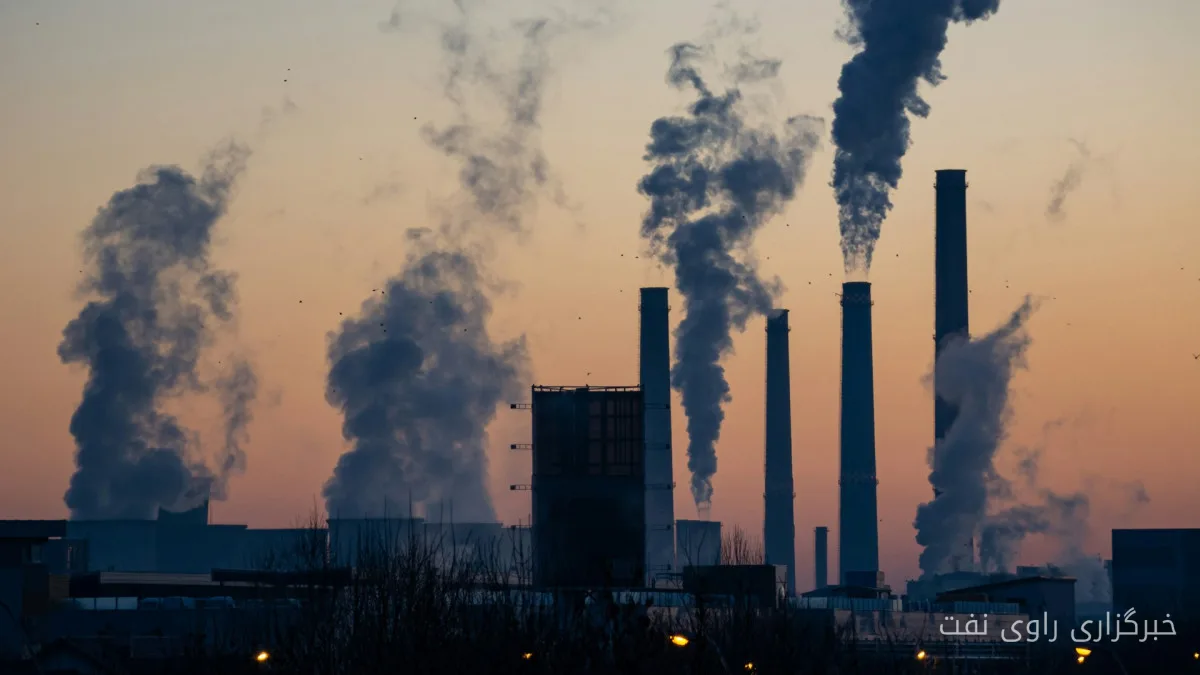
The United Nations has announced in a new report that achieving the legal targets of the Paris Agreement to limit global warming to 1.5 degrees Celsius is no longer feasible, and it is predicted that by the end of this century, the Earth's temperature will rise by 2.6 to 2.8 degrees Celsius. This report clearly shows that insufficient action on climate change over decades has brought us to this critical point.
Annual Report: Opportunities and Challenges
The annual report titled "Point of No Return" emphasizes that although the 1.5-degree goal is completely lost, there are still many opportunities for global leaders to prevent the worst consequences of climate change. The report advises various countries that they can help limit warming and reduce the duration of temperature increases by accelerating their actions.
Read more: Masoud Pezeshkian deemed the implementation of the car-free Tuesdays plan necessary
Growth of Renewable Energy and Concurrent Challenges
While renewable energy sources currently account for a larger share of the global energy mix than coal, and last year a quarter of the cars sold were electric vehicles, the demand for energy and decarbonization continues to rise. For example, these changes have prevented the consumption of 1.2 million barrels of oil per day. However, experts warn that these developments may not be sufficient, and there is a need for improved energy efficiency and stricter regulations on consumption.
Moreover, the rapid growth of renewable energy as an energy security strategy during geopolitical unrest has become a double-edged sword. Renewable sources are growing faster in poorer countries, as these nations view them as the cheapest and safest way to achieve energy independence.
Experts believe that the development of renewable energy is no longer solely due to climate change but is emerging as an economic and geopolitical necessity. According to David Frykman, a public partner at the Norrsken investment group in Stockholm, "Every terawatt-hour of domestic renewable energy production is a terawatt-hour that no enemy can turn into a weapon."
Thus, the overarching goals of renewable energy have become completely separated from climate goals, and this could pose a significant challenge to achieving the targets of the Paris Agreement. According to experts, achieving these goals requires immense global effort and investment.
Read more: The Wooraknabial wind farm in Victoria, Australia has been approved · Iberdrola increased dividends by nearly 9 percent